



What Exactly Are Ultra-Processed Foods?
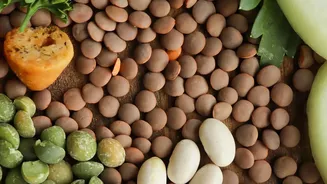
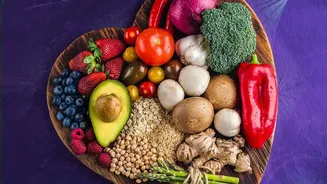
The term 'ultra-processed' can be confusing. It doesn't just mean a food has been altered from its natural state. Scientists use a system called NOVA to classify foods into four groups. Unprocessed or minimally processed foods are things like fresh fruits,
vegetables, grains, and meat. Processed foods have been preserved or cooked, like canned vegetables or traditional cheeses. Ultra-processed foods, or UPFs, are in a category of their own. These are industrial formulations made from substances extracted from foods (like fats, starches, and sugars) and synthesized in labs. They often have long ingredient lists with items you wouldn't find in a home kitchen, such as emulsifiers, flavour enhancers, and artificial colours. Common examples in India include packaged snacks, sugary breakfast cereals, instant soups and noodles, and most mass-produced breads and biscuits.
The Core of the Controversy
For years, the debate has been split. Some experts argued that the problem with UPFs wasn't the processing itself, but their poor nutritional profile—they are often high in sugar, salt, and unhealthy fats while being low in fibre. The argument was that a biscuit is unhealthy because of its sugar and fat content, not because it was industrially made. However, a growing number of scientists believe there's more to the story. They argue that the industrial processing itself—the methods and the chemical additives used—might pose unique health risks independent of the nutrients. This side of the debate suggests that the physical structure of these foods and the cocktail of additives could be affecting our bodies in ways we are only just beginning to understand.
The Latest Scientific Findings
Recent evidence is strengthening the case against UPFs. A study published in mid-2026 in the American Journal of Public Health found that even after accounting for nutritional quality, higher consumption of UPFs was linked to worse health markers, including higher body weight, poorer blood sugar control, and higher blood pressure. The authors suggested that factors beyond just nutrients, such as additives and changes to the food's cellular structure, may be responsible. Another recent study presented at the NUTRITION 2026 conference found that a staggering 81% of foods marketed to toddlers were ultra-processed. This is particularly concerning as early eating habits can set taste preferences for life. These findings build on a large body of research linking UPF-heavy diets to an increased risk of obesity, type 2 diabetes, heart disease, and even premature death.
An Indian Perspective on Processing
This global debate is especially relevant in India, where the consumption of UPFs is rising rapidly. Retail sales of UPFs in the country grew at a rate of over 13% annually between 2011 and 2021. As lifestyles become more fast-paced, convenient options like packaged biscuits, salty snacks, and instant noodles are replacing traditional, freshly prepared meals. One study noted that an average Indian household now gets more calories from processed foods than from fruits. This dietary shift coincides with a rising tide of non-communicable diseases like diabetes and heart disease across the nation. While biscuits remain the most popular UPF, categories like instant noodles and salty snacks are showing explosive growth, reflecting a deep change in the nation's eating habits.
How to Be a Savvy Consumer
Cutting out all UPFs is unrealistic for most people, but becoming a more mindful consumer is an achievable goal. The first step is to read the ingredient list. If it's long and full of names you don't recognise or wouldn't use in your own cooking (like high-fructose corn syrup, hydrogenated oils, or emulsifiers), it's likely a UPF. Try to prioritise whole or minimally processed foods as the foundation of your diet—think fresh produce, dals, whole grains, and unprocessed meats. When you do buy packaged goods, compare brands and choose options with simpler, shorter ingredient lists. It's not about achieving perfection, but about shifting the balance. Making small swaps, like choosing plain yogurt over flavoured versions or snacking on nuts instead of chips, can make a significant difference over time. The goal is reduction and awareness, not complete restriction.