


From the Pantry to Your Palette
The food and beauty worlds have always been linked, with historical uses of berries for lip tints and almonds in eyeliners. Today, this connection is more sophisticated. It’s about rebranding familiar concepts for a new generation. A classic brown eyeshadow
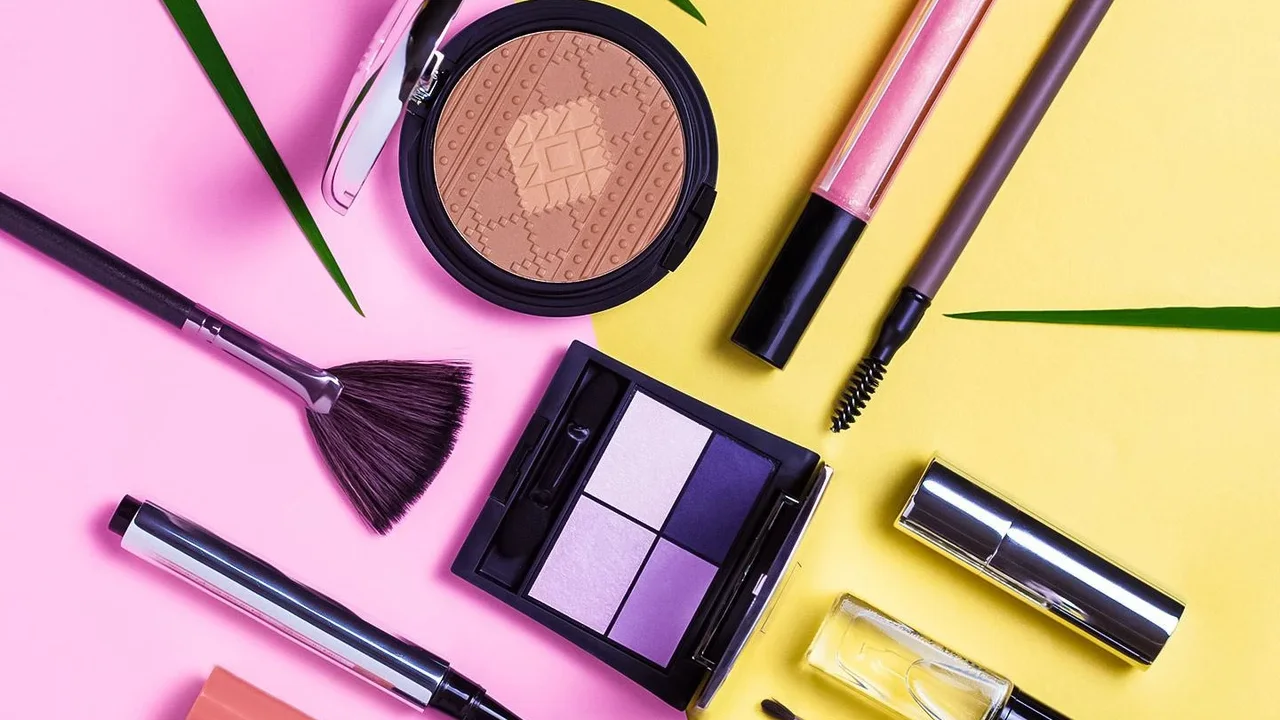
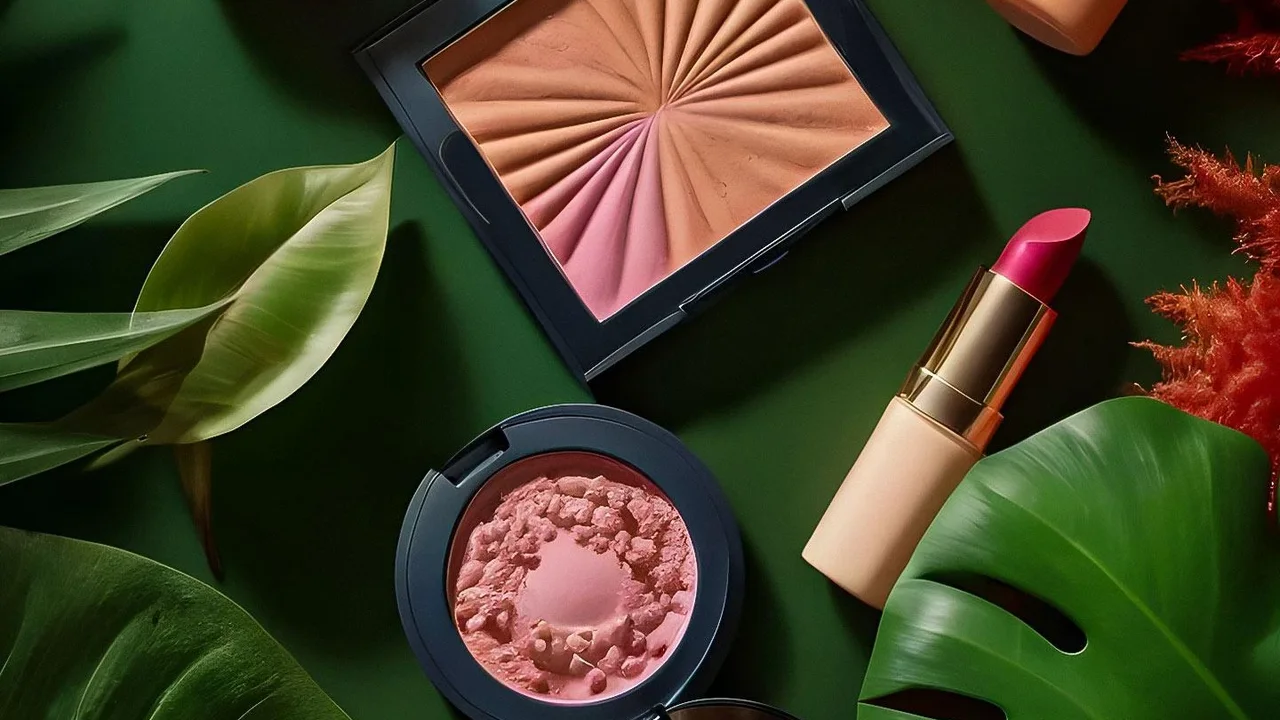
look is now 'latte makeup', while a flushed, rosy cheek is dubbed 'strawberry makeup'. These aren't just clever marketing names; they represent a new way of experiencing beauty that is driven by aesthetics that feel comforting and familiar. Brands have leaned in, creating products that don't just mimic the colours of food but also their scents and textures, from chocolate-scented eyeshadow palettes to jelly-like cheek tints.
The Power of Sensory Appeal
A key driver of this trend is its powerful appeal to our senses. The scent of vanilla can evoke childhood memories, while the creamy texture of a face mask can feel as indulgent as a dessert. This sensory experience creates a deep emotional connection, turning a routine into a ritual. This is the core of the 'gourmand' trend, which uses edible-smelling notes like coffee, caramel, and even masala chai to create fragrances and products that feel both comforting and personal. In India, where scent memories are deeply tied to spices like cardamom and ripe mangoes, this trend has found a particularly strong footing, as consumers gravitate towards the familiar and nostalgic.
The Social Media Effect
This trend wouldn't be as dominant without social media. Platforms like TikTok and Instagram have become launchpads for food-inspired aesthetics that are easy to share and replicate. Influencers and celebrities have catalysed looks like 'glazed donut skin' and 'blueberry milk nails', turning them into viral sensations with billions of views. The visual and descriptive nature of food makes it a universal language, more accessible than technical beauty jargon. Describing a look as a 'latte' provides an instant mood board for colour and texture, inviting people to participate in the trend.
Wellness and the 'Clean' Connection
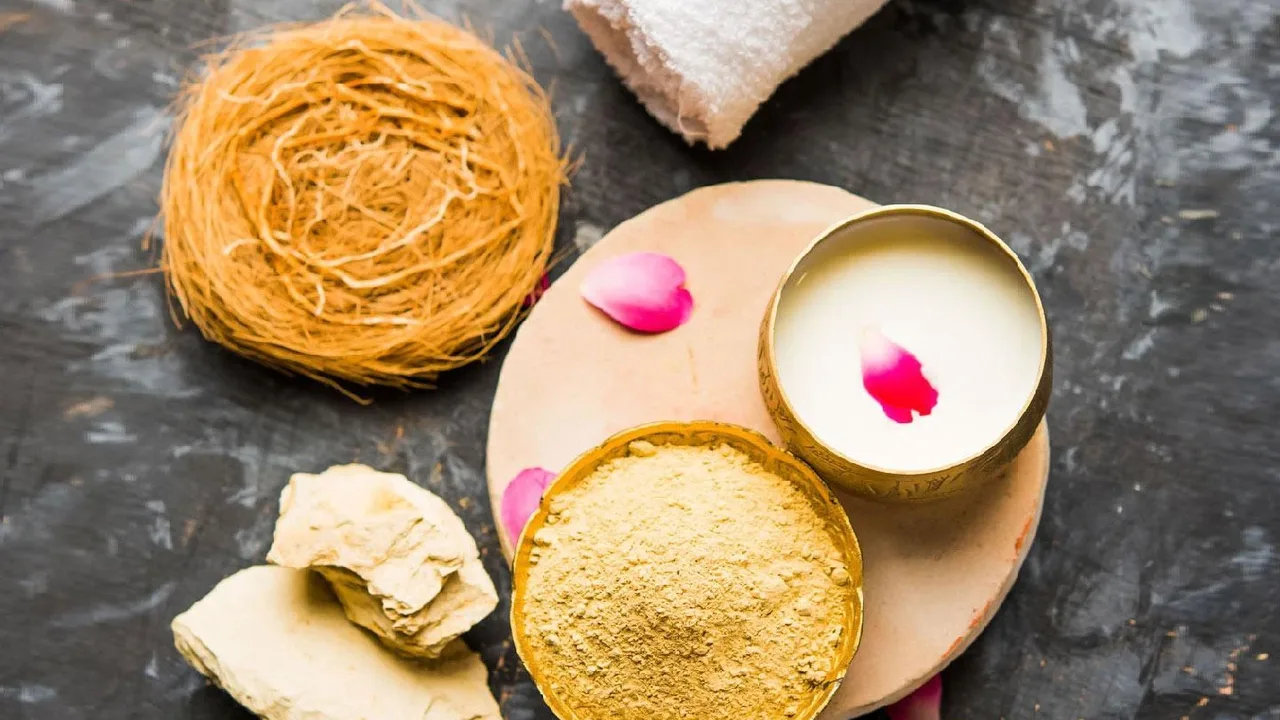
There's also a powerful psychological link between food-inspired beauty and the wellness movement. The logic is simple: if superfoods like berries and avocados are good for our bodies, they must be good for our skin. This taps into a desire for products that are perceived as natural and healthy. Brands are increasingly highlighting pantry-staple ingredients in their formulations, reflecting a philosophy that what we put on our skin should be as thoughtfully chosen as what we eat. This idea resonates strongly in a market where consumers are increasingly educated and conscious about ingredients.
A Shift in the Market
This is more than just a passing phase; it's a fundamental shift in how beauty products are developed, marketed, and sold. The global market for gourmand fragrances is projected to grow significantly, indicating a long-term change in consumer preference towards these comforting, edible scents. Brands are responding by launching food-themed collections and collaborations that generate huge engagement. The success of these products shows that consumers are buying not just for results, but for the experience and the emotional connection a product offers. The playful, indulgent, and nostalgic qualities of food have provided a powerful new way for brands to connect with their audience.