

The annual festive calendar is no longer just about celebrating at home. A growing number of Indian travellers are packing their bags for short, culture-rich getaways, turning the nine nights of Navratri into an immersive travel experience.
A New Wave of Festival Tourism
The trend of
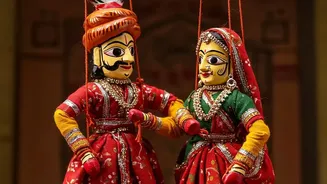
planning trips around festivals is surging, as more people seek authentic and immersive cultural experiences. Instead of one long annual holiday, many are opting for several shorter breaks, and the Navratri window has become a prime time for this. Travel companies are responding with curated packages that go beyond mere sightseeing, offering passes to exclusive Garba events, guided temple tours, and deep dives into regional traditions. This shift reflects a desire to connect with India's diverse heritage, turning a religious festival into a vibrant, multi-destination celebration of culture, community, and cuisine.
Gujarat: The Unrivalled Epicentre of Garba
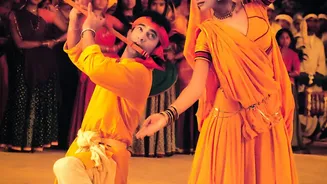
When it comes to Navratri, Gujarat is in a league of its own. The entire state transforms into a massive dance floor for nine nights, with cities like Ahmedabad and Vadodara at the heart of the celebrations. Here, the main event is the Garba, a devotional circular dance that was recently added to UNESCO's Intangible Cultural Heritage list. Travellers flock to iconic venues like the United Way Garba in Vadodara or the large-scale events at Ahmedabad's GMDC Ground to join thousands of dancers, all moving in synchronised, energetic circles. Beyond the dance, it's a culinary journey featuring festive specialities and traditional fasting or 'vrat' thalis.
West Bengal: The Artistic Spectacle of Durga Puja
In eastern India, Navratri is synonymous with Durga Puja, particularly in Kolkata, where the festival is an explosion of art and community spirit. The city becomes an open-air art gallery, with thousands of elaborate temporary structures called 'pandals' housing stunningly crafted idols of Goddess Durga. Pandal-hopping is the main activity, with each structure showcasing a unique theme, from replicas of world monuments to avant-garde installations. This experience, also recognized by UNESCO, draws travellers who come to witness the artistic grandeur, enjoy the street food bonanza, and soak in the electric atmosphere that takes over the city for five days.
Kullu: A Divine Congregation in the Himalayas
For a different flavour of the festival, travellers head to the mountains of Himachal Pradesh for the Kullu Dussehra. A unique seven-day celebration that begins on Vijayadashami, when Navratri ends elsewhere, its main highlight is the grand procession (Rath Yatra) of Lord Raghunath. More than 200 deities from surrounding villages are carried in ornate palanquins to Dhalpur Maidan to pay their respects, creating a divine spectacle against a Himalayan backdrop. This festival is less about fasting and more about community and cultural fairs, offering local handicrafts and Himachali cuisine like 'siddu' and 'dham'.
The Culinary Quest of Navratri
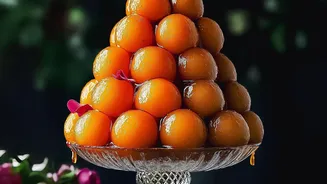
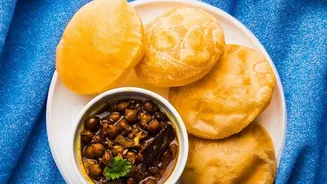
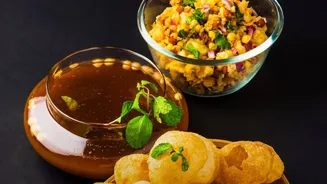
For many, travelling during Navratri is as much a culinary exploration as it is a cultural one. The food experiences are twofold. First, there's the diverse world of 'vrat' or fasting food. Restaurants and hotels across the country now offer elaborate Navratri thalis, featuring dishes made from permissible ingredients like kuttu (buckwheat flour), sabudana (tapioca pearls), and fresh vegetables cooked without onion or garlic. Second, in regions like Bengal, the festival is a feasting extravaganza. Food stalls pop up everywhere, offering everything from traditional Bengali sweets like 'sandesh' and 'rosogolla' to savoury street food delights that are an integral part of the Durga Puja experience.