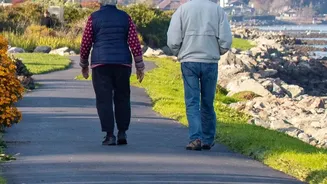







In cities bustling with solitary commuters and heads-down pedestrians, a simple, powerful movement is taking root. More than just a form of exercise, city walking groups are emerging as vibrant hubs for connection, proving that fitness can be social.
More Than Just Physical Fitness
While the physical benefits of walking are well-documented—from improved cardiovascular health to better sleep—the recent surge in walking groups is fuelled by something more fundamental: the human need for connection. In an era where digital interactions often replace face-to-face contact, these groups offer a low-pressure environment to socialise and combat loneliness. The act of walking side-by-side encourages natural conversation, allowing friendships to form organically. It turns a simple stroll into a shared experience, strengthening community bonds one step at a time. This social aspect is a powerful motivator, providing the accountability and enjoyment that many people need to stick with a regular fitness routine.
A Space for Everyone
One of the most compelling aspects of city walking groups is their inherent inclusivity. Unlike specialised sports clubs that may require a certain skill level or expensive gear, walking is accessible to nearly everyone. This opens the door for truly intergenerational connections. It’s not uncommon to see a group comprised of senior citizens, new parents with strollers, young professionals de-stressing after work, and college students exploring their city. Groups often form organically through platforms like Meetup or local Facebook communities, with many catering to specific needs such as pace, distance, or interest, like heritage walks or nature explorations. This diversity creates a rich social fabric, breaking down age and social barriers that often exist in urban environments.
The Mental Wellness Boost
The positive impact on mental health is another significant driver of this trend. Physical activity is a known mood booster, releasing endorphins that help reduce stress and anxiety. When combined with social interaction and time spent outdoors, the benefits are amplified. Walking with others provides a sense of safety and emotional support, which can be particularly beneficial for those feeling isolated. The simple act of showing up for a group walk provides structure and a sense of purpose, gently encouraging people to reconnect with their community. Studies have shown that people who participate in group exercise report lower rates of depression and anxiety compared to those who exercise alone.
Rediscovering the Urban Landscape
City walking groups also offer a unique way to engage with one's surroundings. They encourage residents to become tourists in their own towns, discovering hidden parks, historic laneways, and unique neighbourhoods they might otherwise overlook. In India, for example, groups in cities like Pune, Delhi, and Bangalore are thriving, with thousands of members joining everything from weekend hikes to heritage tours. Organisations like Gurgaon Walkers and India City Walks actively promote community engagement and inclusivity, organising events that bridge generational gaps and celebrate local culture. This exploration fosters a deeper appreciation for the local environment and a stronger sense of place and belonging.