

After years of hype, delays, and production struggles, Tesla is officially winding down Cybertruck production at its main Texas plant. This shocking pivot away from a flagship product raises a crucial question: what went so wrong?
A Radical Promise Meets Reality
When Elon Musk unveiled
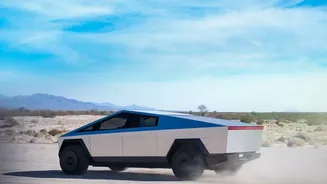
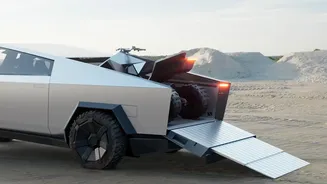
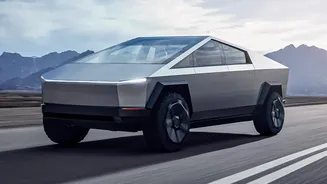
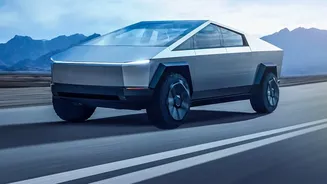
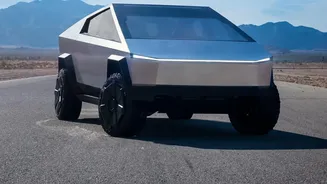
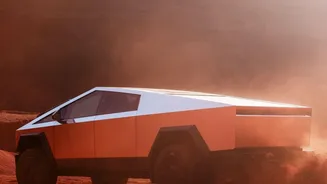
the Tesla Cybertruck in 2019, it felt like a vehicle teleported from the future. With its angular, stainless-steel exoskeleton and claims of being 'bulletproof', it promised to revolutionize the century-old pickup truck market. The disastrous but memorable live demo, where its 'armored glass' shattered, was perhaps a sign of things to come. The initial vision was bold: deliver a truck tougher than any competitor at a starting price below $40,000. However, the very design elements that made it so captivating also became its Achilles' heel, setting the stage for one of the most challenging production stories in modern automotive history.
The Stainless Steel Conundrum
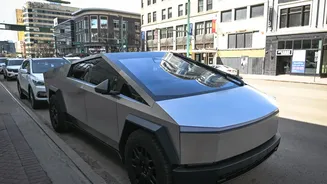
The core of the Cybertruck's manufacturing problem was its signature material. The ultra-hard stainless steel proved incredibly difficult to shape and form into consistent body panels, leading to persistent issues with panel gaps and poor fit-and-finish right on the assembly line. This wasn't just a cosmetic issue. The material's properties made traditional manufacturing processes obsolete. Furthermore, because the truck lacks a standard protective clear coat, owners began reporting orange rust spots after exposure to rain, undermining its rugged image. These material science hurdles were compounded by a series of quality control failures, leading to numerous and embarrassing recalls for everything from faulty accelerator pedals that could get stuck to giant windshield wipers failing and even entire body panels detaching.
Falling Short of Projections
The manufacturing woes had a direct impact on sales and market perception. After years of delays, the truck that finally hit the market in late 2023 was a far cry from the original pitch. The starting price had ballooned to over $60,000, and the vehicle's range fell short of the initial ambitious targets. Musk once predicted that Tesla could sell between 250,000 and 500,000 Cybertrucks annually. The reality was starkly different. After selling an estimated 38,965 units in the US in 2024, sales plummeted by nearly 48% to just over 20,000 in 2025. The radical design that polarized opinion, coupled with quality concerns and a high price, failed to capture the mass-market demand needed to justify its difficult production.
A Strategic Pivot to Robotaxis
Faced with an underperforming product, Tesla made a decisive strategic move. On November 6, 2026, Elon Musk announced that the company would begin winding down Cybertruck production at Gigafactory Texas around mid-2027. The stated reason was to free up factory space and resources for what Tesla sees as its next major frontier: the Cybercab, a purpose-built autonomous robotaxi. This pivot suggests Tesla is cutting its losses on the Cybertruck to double down on its ambitions in artificial intelligence and autonomous transport. While Musk didn't explicitly state production would cease entirely, Gigafactory Texas is the only facility equipped to build the highly specialized vehicle, leaving its ultimate fate in serious doubt.