


From Factory Finish to Personal Touch
For decades, the allure of the factory-made was strong. It promised uniformity, affordability, and a certain modern sleekness. Today, however, a quiet but powerful shift is underway. Homeowners are increasingly turning away from identical, impersonal
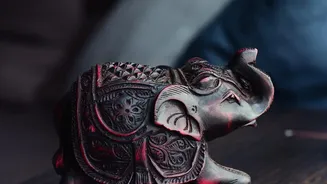
products and seeking out pieces with soul. This isn't just about decoration; it's a conscious choice for authenticity. In a world of digital noise and fast-paced living, the home has re-emerged as a sanctuary, and people want it to reflect their personality and values. A handcrafted item, with its subtle imperfections and the faint echo of its maker's touch, offers a connection that a machine-made product simply cannot replicate. Each piece tells a story, not just of its own creation, but of the person who chooses to live with it.
The Sustainable Heart of Handmade
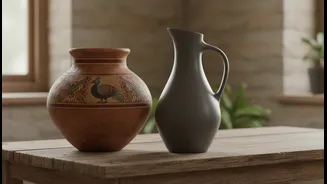
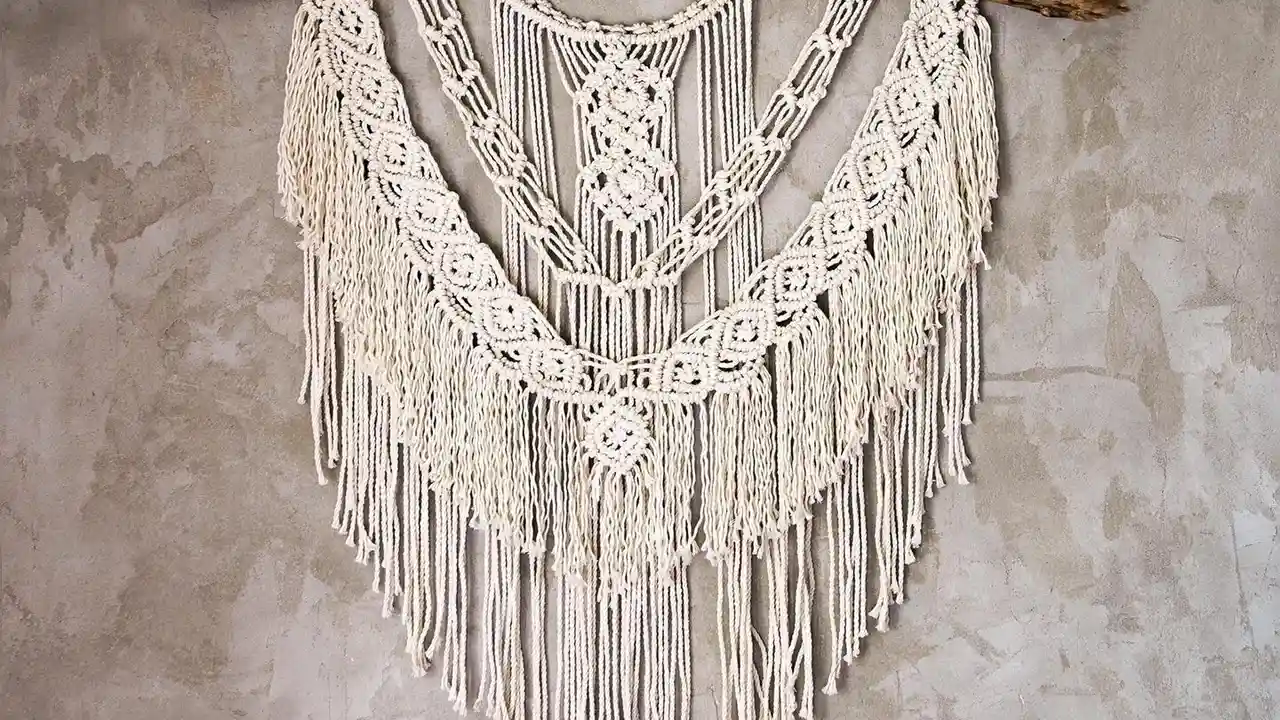
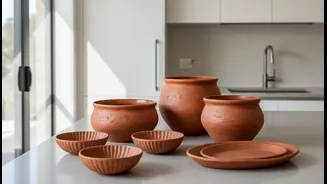
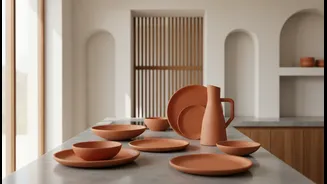
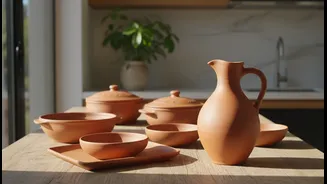
One of the biggest drivers behind this trend is a growing environmental consciousness. Consumers are more aware than ever of their carbon footprint and are actively seeking planet-friendly solutions for their homes. Handcrafted goods are often inherently sustainable. They are typically made in smaller batches, which reduces waste, and are crafted from natural, locally sourced materials like bamboo, jute, reclaimed wood, and organic cotton. These materials are not only biodegradable but also add a warm, earthy texture to modern interiors. By choosing a handwoven rug or a terracotta vase, consumers are not only making a style statement but also a vote for a more responsible way of living.
Empowering India’s Artisans
This movement has profound economic and cultural significance for India. The country's handicraft sector employs millions of people, many in rural and semi-urban areas. For generations, these artisans have been the custodians of priceless skills, from the block printers of Rajasthan to the weavers of Tamil Nadu. The rising demand for their work provides a vital lifeline, ensuring not just a stable income for their families but also the preservation of ancient traditions that were at risk of fading away. When you buy a handcrafted item, you are directly supporting these communities, helping to keep their rich cultural heritage alive and encouraging younger generations to see a future in their ancestral craft.
Digital Bazaars and Global Reach
The internet, particularly social media, has acted as a powerful catalyst for this trend. Platforms like Instagram and Pinterest have become virtual marketplaces, allowing artisans to bypass traditional middlemen and showcase their work to a national and even global audience. These digital tools enable artisans to tell their stories, share behind-the-scenes glimpses of their creative process, and connect directly with customers who appreciate the value of their work. This has not only expanded their market but has also fostered a community of conscious consumers who are eager to discover and support authentic Indian craftsmanship.
Bringing the Trend Home
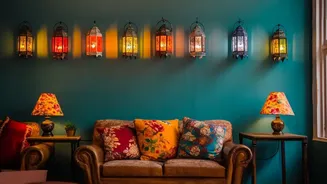
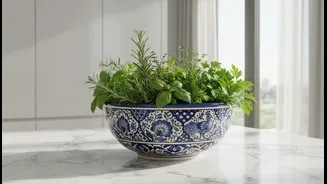
Embracing handcrafted décor doesn't require a complete home overhaul. It’s about making thoughtful additions that blend heritage with a contemporary aesthetic. Start small by introducing handwoven textiles like cushion covers or throws in vibrant Indian prints like Ikat or Bandhani. Consider replacing a generic vase with a piece of blue pottery or a terracotta planter. Look for unique wall art, such as Madhubani or Warli paintings, which infuse storytelling into a modern space. Materials like carved wood, brass, and cane can be easily incorporated through accent furniture, mirrors, or light fixtures, adding texture and a sense of history. The goal is to curate a collection of meaningful objects that transform your house into a home with a distinct personality.