




A New Lunar Gold Rush
The Moon is back in vogue, and this time, it's as much about business as it is about national pride. The renewed global interest is driven by the potential for resource mining, scientific discovery, and establishing a long-term human presence. This has
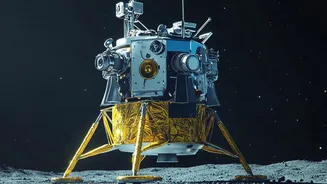
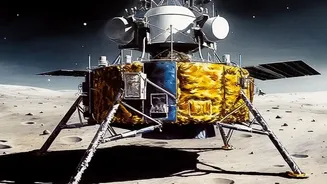
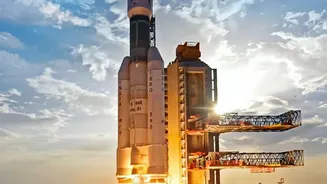
created a burgeoning lunar economy, and Indian entrepreneurs are determined to claim a significant stake. Following the historic success of ISRO's missions, which demonstrated the nation's capacity for high-tech, low-cost space exploration, private companies are now stepping up to build on that legacy. The goal is no longer just to plant a flag, but to create sustainable commercial operations on the lunar surface, from transport and data collection to resource extraction.
The Frugal Innovation Edge
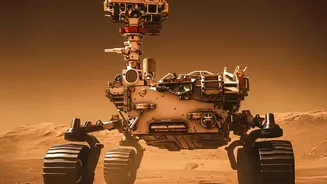
The secret to India’s emerging dominance in affordable space tech is a concept perfected over decades: frugal engineering. This philosophy of creating high-value solutions at minimal cost is at the core of these new lunar ventures. Unlike state-funded behemoths, these startups are achieving affordability by using commercial off-the-shelf components, advanced simulation software to reduce physical testing, and innovative manufacturing techniques like 3D printing. They are also designing smaller, lighter, and more specialised rovers. Instead of building a single, multi-purpose machine costing hundreds of millions of dollars, they are creating nimble bots designed for specific tasks like soil analysis or mapping, drastically reducing launch mass and overall mission cost. This approach mirrors the strategy ISRO used for its famously cost-effective missions like Chandrayaan-3, which had a budget far lower than its international counterparts.
Pioneers on the Launchpad
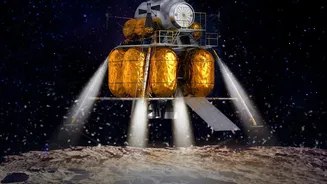
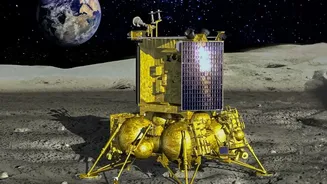
Leading the charge is a handful of determined startups. While many operate in stealth, the legacy of early pioneers like TeamIndus has inspired a new generation. Originally a competitor for the Google Lunar XPRIZE, TeamIndus showcased the potential for a private Indian entity to design and build a lunar lander and rover. Though the team ultimately faced funding challenges and did not launch, its efforts laid crucial groundwork, assembling a team of over 100 engineers and ex-ISRO scientists to develop its ECA rover, short for 'Ek Choti Si Asha' (A Small Hope). Today, new ventures are building on these lessons, some focusing on rovers for surface mapping while others develop technologies for resource prospecting. Their business models vary, from selling data collected on the Moon to offering payload delivery services for other commercial or academic entities.
An Ecosystem of Support
These startups are not operating in a vacuum. A pivotal shift in government policy has been a major catalyst for this private-sector boom. The establishment of the Indian National Space Promotion and Authorisation Centre (IN-SPACe) in June 2020 was a landmark decision. IN-SPACe acts as a single-window agency to promote, authorise, and supervise the activities of private space companies, often referred to as Non-Government Entities (NGEs). This body facilitates access to ISRO’s world-class testing facilities, infrastructure, and technical expertise, significantly lowering the formidable barriers to entry in the space industry. By providing this crucial support system, the government is actively fostering an ecosystem where ISRO can focus on deep-space research and exploration, while private players drive commercialisation and innovation.
The Challenges Ahead
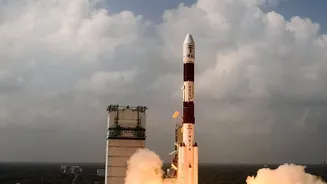
The path to the Moon is fraught with challenges. The technical complexity of designing hardware that can survive a rocket launch and operate in the extreme lunar environment—with its vacuum, temperature swings, and abrasive dust—is immense. Securing consistent funding remains the primary obstacle for most deep-tech startups in the capital-intensive space sector. Furthermore, the international market is highly competitive, with well-funded companies in the United States, Europe, and Japan also vying for a piece of the lunar economy. Despite these hurdles, the ambition is palpable. Indian startups have already demonstrated their capability in the launch sector, with companies like Skyroot Aerospace successfully reaching orbit, a sign of the growing maturity of the country's private space industry.