





From Ocean Bloom to Lunch Box
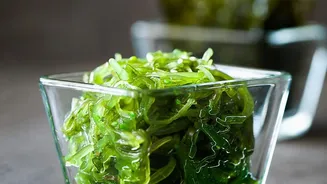
The concept revolves around turning algae, particularly seaweed, into a bioplastic. Algae are rich in natural polymers, which are molecules that can be linked together to form strong, flexible materials. The process generally involves harvesting the seaweed, which grows
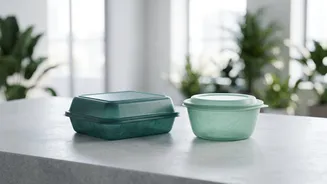
abundantly along India's coastline and doesn't require soil or freshwater. Specific compounds like agar and alginate are extracted from the seaweed biomass. These substances are then processed and moulded into various forms, from thin films that can replace plastic wrappers to sturdy, grease-resistant containers perfect for food delivery. Unlike petroleum-based plastics that can take centuries to break down, these algae-based products are designed to be compostable, returning to nature within weeks or months without leaving behind harmful microplastics.
Meet the Marine Innovators
Several Indian companies are at the forefront of this green revolution. Pune-based Zerocircle, founded by Neha Jain, has gained significant attention for its work. The startup collaborates with coastal communities in states like Gujarat and Tamil Nadu to farm seaweed, creating economic opportunities while sourcing their raw material. Zerocircle develops seaweed-based coatings that make paper and cardboard packaging leak-proof and grease-resistant, a crucial feature for the food industry. They have partnered with major players like Swiggy and Zomato to pilot these microplastic-free containers, proving their viability at scale. Other startups like Sea6 Energy in Bangalore are also developing seaweed-based bioplastic films and coatings, focusing on creating materials that are heat-resistant and rapidly biodegradable.
The Cost and Scale Conundrum
Despite its promise, the path to replacing plastic is not without obstacles. The primary challenge is cost. Currently, producing algae-based packaging is more expensive than manufacturing conventional plastic, which has been optimized for over a century. This price difference can be a significant hurdle for small restaurants and food vendors who operate on thin margins. Scalability is another major concern. While India has a long coastline, scaling up seaweed cultivation and processing infrastructure to meet the massive demand of the entire country's food delivery and FMCG sectors is a monumental task. Furthermore, some algae-based materials may have limitations in durability, especially concerning moisture and heat resistance, which requires ongoing innovation.
A Greener Path Forward
The push for these alternatives is strongly supported by government policy. India's ban on many single-use plastic items, which came into effect in July 2022, has created a significant market opportunity for sustainable packaging solutions. This regulatory pressure forces businesses to look for viable alternatives, accelerating innovation and adoption. Startups in this space are not just selling a product; they are offering a systemic solution. By creating a circular economy—where seaweed is grown, used for packaging, and then composted back into the earth—they are helping to reduce landfill waste and ocean pollution. Venture capital firms and impact investors are also taking note, with companies like Zerocircle raising significant funding to scale their operations and reduce costs.