
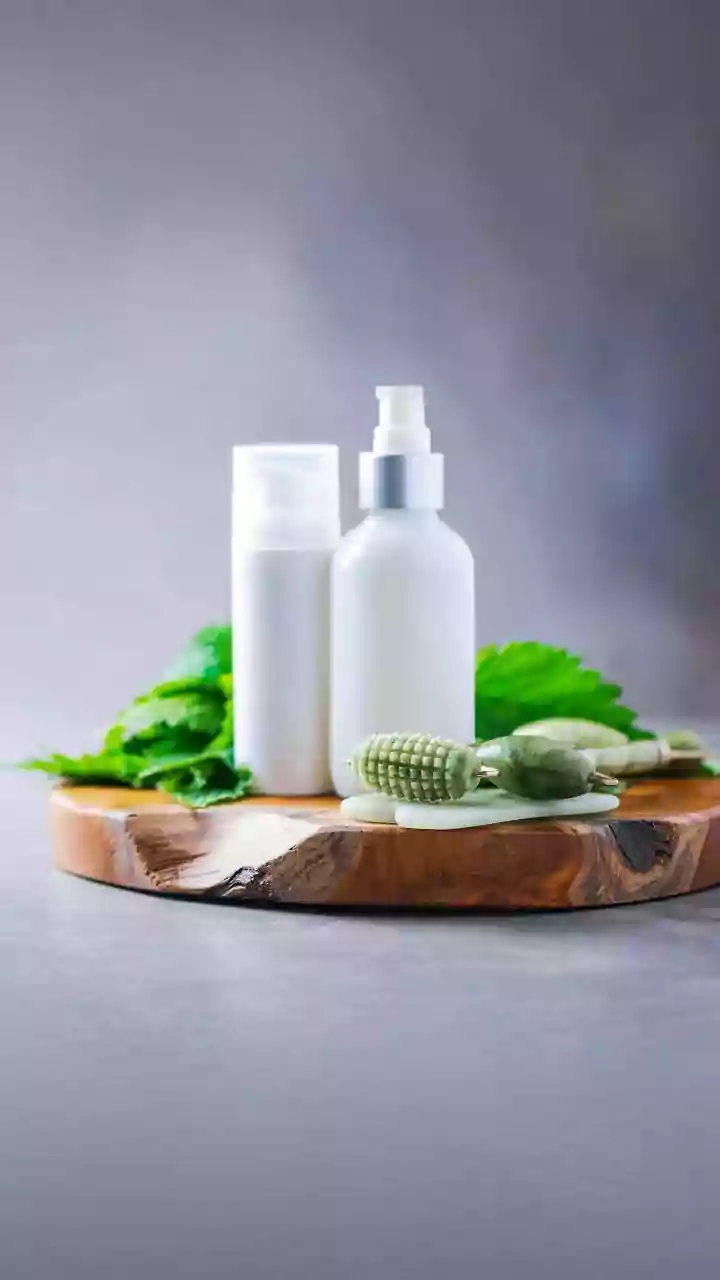





More Than Just Skin Deep
In Ayurveda, a 5,000-year-old system of holistic medicine from India, beauty is seen as a mirror of your inner health. It’s a philosophy that goes far beyond surface-level treatments, linking mind, body, and spirit. The central idea is that true radiance,
or 'roopam', comes from achieving balance. This balance is understood through the three 'doshas' or life energies: Vata (air), Pitta (fire), and Kapha (earth). Each person has a unique combination of these doshas, which determines their skin type. Vata skin tends to be dry, Pitta skin is often sensitive and prone to inflammation, and Kapha skin can be oily. The entire system of Ayurvedic beauty is built on understanding your specific constitution and using nature to restore harmony.
The Royal Regimen
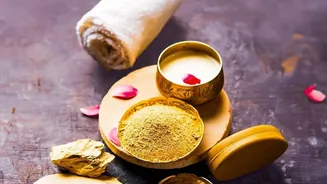
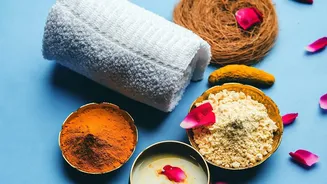
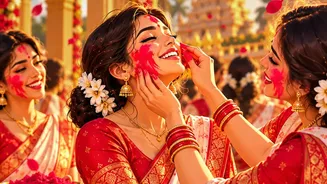
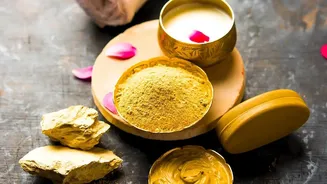
For Indian queens and princesses, beauty was a meticulous ritual. These practices were not just about vanity; they were acts of self-care and a symbol of status, woven into the fabric of daily life, or 'dinacharya'. One of the most important rituals was 'Abhyanga', a full-body warm oil massage. Using oils like sesame or coconut, this practice was believed to nourish the skin, improve circulation, and calm the mind. Another cornerstone was the 'Ubtan', a paste made from ingredients like chickpea flour, turmeric, sandalwood, and rose water. Used as a gentle scrub, it exfoliated and brightened the skin, and remains a vital part of pre-wedding ceremonies today. These rituals varied across regions; Rajput queens in arid Rajasthan used cooling ingredients like rose water and sandalwood, while Mughal royalty favoured indulgent milk baths and fragrant jasmine oils.
A Treasury of Natural Ingredients
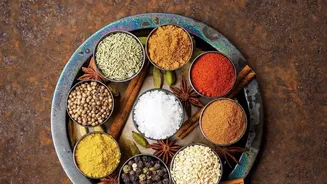
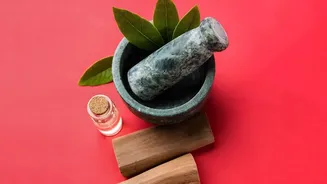
The secret to these royal treatments lay in their potent, all-natural ingredients. Saffron, or 'Kesar', was a prized possession, known for its ability to create a golden glow and even out skin tone. Rajput queens like Rani Padmini were said to bathe in milk infused with saffron. Sandalwood, or 'Chandan', was another royal favourite, valued for its cooling and purifying properties, making it ideal for calming irritated skin. Turmeric, or 'Haldi', was the go-to for its anti-inflammatory and antiseptic benefits, helping to keep skin clear and radiant. It was a key ingredient in Ubtan pastes for both its colour and its clarifying power. Other cherished ingredients included rose water for toning, neem for preventing acne, and rich oils like almond and coconut for deep nourishment.
A Legacy of Holistic Wellness
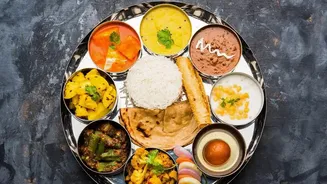
The Ayurvedic approach to beauty as practiced by royalty was truly holistic. It understood that glowing skin was inseparable from a balanced diet, restful sleep, and a calm mind. Beauty was not something you simply applied; it was something you cultivated through a disciplined and mindful lifestyle. This included eating foods appropriate for one's dosha, practicing meditation to manage stress, and engaging in moderate exercise to boost circulation. The ancient texts of Ayurveda, like the Charaka Samhita, detail not just external applications but also internal remedies—herbs and tonics to purify the body from within. This belief that beauty is an outward expression of inner vitality ('ojas') is what makes the tradition so profound and enduring.
Ancient Wisdom in a Modern World
Today, as many seek alternatives to harsh chemicals and complex routines, the principles of royal Ayurvedic beauty are more relevant than ever. The modern wellness movement, with its focus on natural ingredients, holistic health, and self-care rituals, is echoing the wisdom that has been practiced in India for millennia. From turmeric lattes to ashwagandha supplements and oil-based cleansers, the ingredients and philosophies of Ayurveda are finding a new, global audience. These ancient traditions remind us that skincare can be a meditative practice, a way to connect with ourselves and with nature. By looking to the past, we can find a timeless approach to beauty that nourishes both skin and soul.