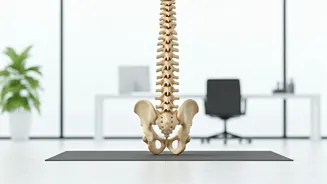









The Problem with Your Chair
Many people feel mentally and physically drained after a long day of sitting. [7] This isn't just in your head; it’s a biological response to physical stagnation. [16] When you sit for prolonged periods, your body’s processes slow down. Blood circulation
decreases, meaning less oxygen is delivered throughout the body, making you feel sluggish. [18] Muscles that are meant for movement, like your glutes and core, become inactive and weak, while others, like your hip flexors and lower back muscles, become tight and stiff. [5, 14, 16] This combination leads to that familiar feeling of fatigue, discomfort, and can contribute to more serious health issues over time, including high blood pressure, diabetes, and chronic back pain. [7, 11, 18]
Why Movement Breaks Are Key
You might think a single workout at the end of the day is enough to undo the damage of sitting, but research suggests otherwise. While a workout is always beneficial, frequent movement breaks throughout the day appear to be crucial for maintaining energy and metabolic health. [10, 11] These short bursts of activity, often called “exercise snacks,” can be more effective at managing things like blood sugar than one long session. [19, 22] Breaking up long periods of sitting with even two minutes of walking can significantly reduce post-meal blood sugar spikes. [12] These mini-workouts prevent your metabolism from slowing down and keep your muscles activated, fighting off the lethargy that comes from being stationary. [10, 23]
Enter the Humble Air Squat
So, what’s the ideal exercise snack? The air squat is a top contender. It’s a functional, compound movement, meaning it works multiple large muscle groups at once—specifically the ones most affected by sitting, like your glutes, quadriceps, and hamstrings. [1, 6, 22] Because it requires no equipment, it can be done anywhere, anytime. [4] Activating these large muscles helps pull glucose from the bloodstream, improving metabolic function. [19, 22] Squats also build lower-body strength, enhance joint stability, and improve mobility in the hips and ankles, directly countering the stiffness and weakness that prolonged sitting creates. [1, 4, 6] Recent studies even suggest that short, frequent bouts of squatting can be more effective for blood sugar control than a single 30-minute walk. [22]
How to Do It Right: A 4-Step Guide
Proper form is crucial to get the benefits and avoid injury. [1] Here’s a simple guide to a perfect air squat: 1. Stand with your feet about shoulder-width apart, with your toes pointing slightly outward. [4, 9] 2. Keep your chest up and engage your core. Initiate the movement by pushing your hips back, as if you’re about to sit in a chair. [6, 9] 3. Lower yourself down, keeping your back straight and your weight on your heels. Aim to get your hips below your knees, but only go as low as you can comfortably. Your knees should track in line with your toes, not collapse inward. [1, 6] 4. Drive through your heels and squeeze your glutes to return to the starting position, standing up to full hip and leg extension. [1, 6]
Making It a Habit
The headline suggests 20 air squats every hour. While that’s a fantastic goal, the most important thing is consistency. Start with what you can manage, even if it’s just 10 squats every hour. One study highlighted the powerful metabolic benefits of doing just 10 squats every 45-60 minutes. [22, 23] To make it a habit, set a timer on your phone or computer. Better yet, link the new habit to an existing one—for example, do your squats every time you finish a task or after every phone call. [12] The goal isn't to get sweaty or exhausted; it’s to break the cycle of stillness. Listen to your body and focus on good form. Over time, these small interruptions will feel less like a chore and more like a welcome reset for your body and mind.