
Growing Up, Not Out
The core principle of trellis gardening is simple: train plants to grow upwards instead of sprawling outwards. A trellis is any structure—like a lattice, net, or frame—that supports climbing or vining plants. For a small balcony where every square foot
is precious, this vertical approach is transformative. It allows you to cultivate plants that would otherwise take over your entire floor space, such as cucumbers or beans, by directing their growth toward the sky. This efficient use of space means you can grow more food in the same small footprint, effectively multiplying your gardening potential.
More Sun and Better Airflow
When vining plants spread across the ground or are crowded in a pot, their lower leaves are often shaded and remain damp, creating a perfect environment for fungal diseases like powdery mildew. By lifting plants onto a trellis, you dramatically improve air circulation around the foliage. This helps leaves dry faster after watering, significantly reducing the risk of disease. Furthermore, vertical growth ensures that more of the plant’s leaves are exposed to sunlight. Better sun exposure leads to more efficient photosynthesis, which translates to healthier plants and a more abundant harvest.
Healthier Plants and Cleaner Produce
Keeping vegetables off the ground has several other key benefits. Fruits and leaves are kept clean and away from soil-borne pests like slugs. This simple elevation can dramatically reduce spoilage and pest damage. The sturdy support of a trellis also prevents plant stems from snapping under the weight of heavy fruit, such as tomatoes or gourds, ensuring your produce makes it to harvest. A well-supported plant is a less stressed plant, better equipped to fight off pests and diseases on its own.
Choosing the Right Vining Vegetables
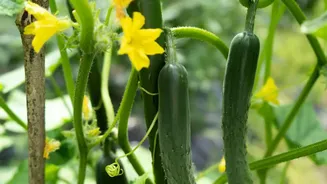
Not all vegetables are suited for a trellis, but many popular ones are excellent candidates. Look for plants that naturally vine or climb. Some of the best choices for balcony containers include: Pole beans, which are famously productive climbers. Cucumbers, especially compact or 'patio' varieties that have shorter vines. Cherry tomatoes, as many varieties are indeterminate, meaning they continue to grow like a vine all season. Peas are natural climbers that will readily grasp a trellis. Malabar spinach is a heat-loving vine that works well in warmer climates. When selecting seeds or seedlings, look for terms like 'climbing', 'pole', or 'vining' on the label.
Your Balcony Trellis Setup
Getting started with a trellis on your balcony is easier than it sounds. You need three main components: a suitable container, a good quality potting mix, and the trellis itself. Choose a large container; a pot with a capacity of at least five gallons (around 20 litres) is a good starting point for most vining vegetables, as it gives the root system enough space to support a tall plant. The trellis can be made from various materials, including bamboo, wood, or metal. You can buy pre-made trellises or easily fashion your own from bamboo canes tied in a teepee shape or a simple grid attached to a wall. It's crucial to install the trellis at the time of planting to avoid damaging the plant's roots later on.
Easier Harvests and Maintenance
One of the most immediate benefits you'll notice is how much easier it is to care for your plants and harvest your vegetables. With the plant grown vertically, the fruit hangs at a convenient height, eliminating the need to bend and crouch. Pruning, spotting pests, and watering at the base of the plant all become simpler tasks when you're not wrestling with a tangled mass of vines on the floor. This not only saves your back but also makes gardening a more enjoyable and accessible daily activity.