


The End of the ‘Instagram Face’
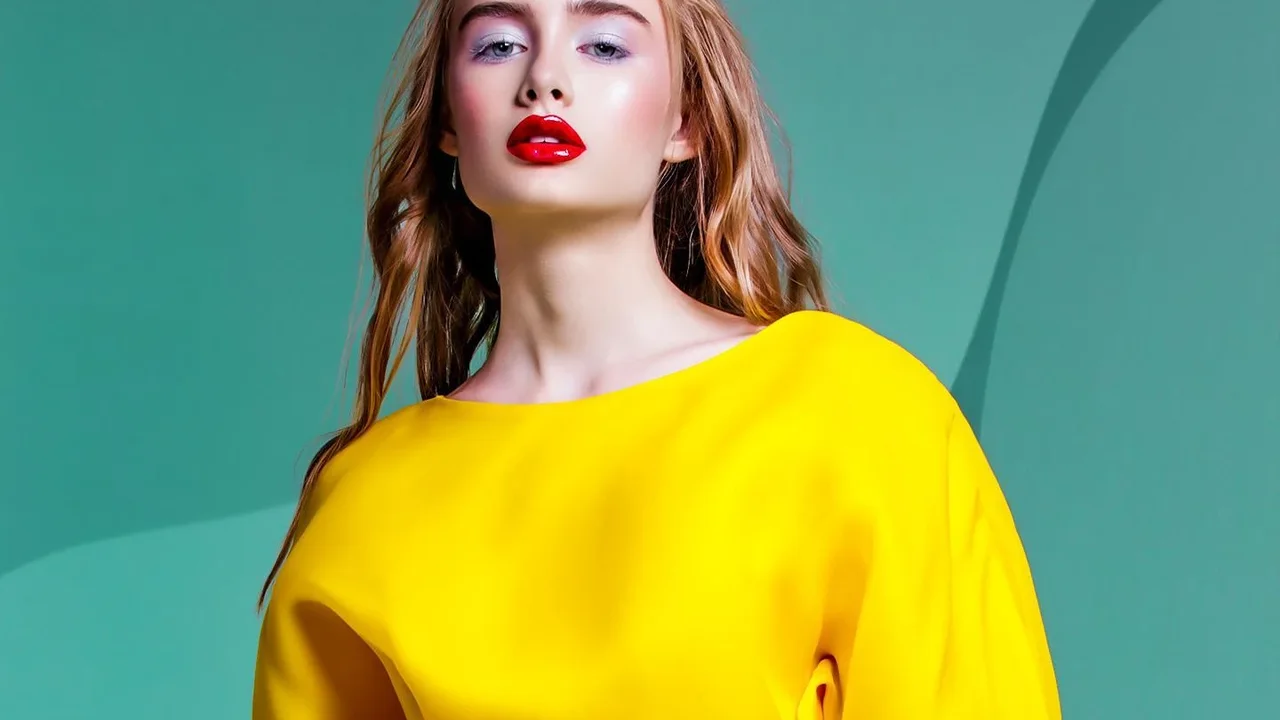
Not long ago, the pinnacle of beauty online was an almost digitally rendered flawlessness. Popularised on Instagram, the look involved high-coverage foundation, sharp contouring, and, crucially, filters that erased every pore and blemish. It created an unattainable
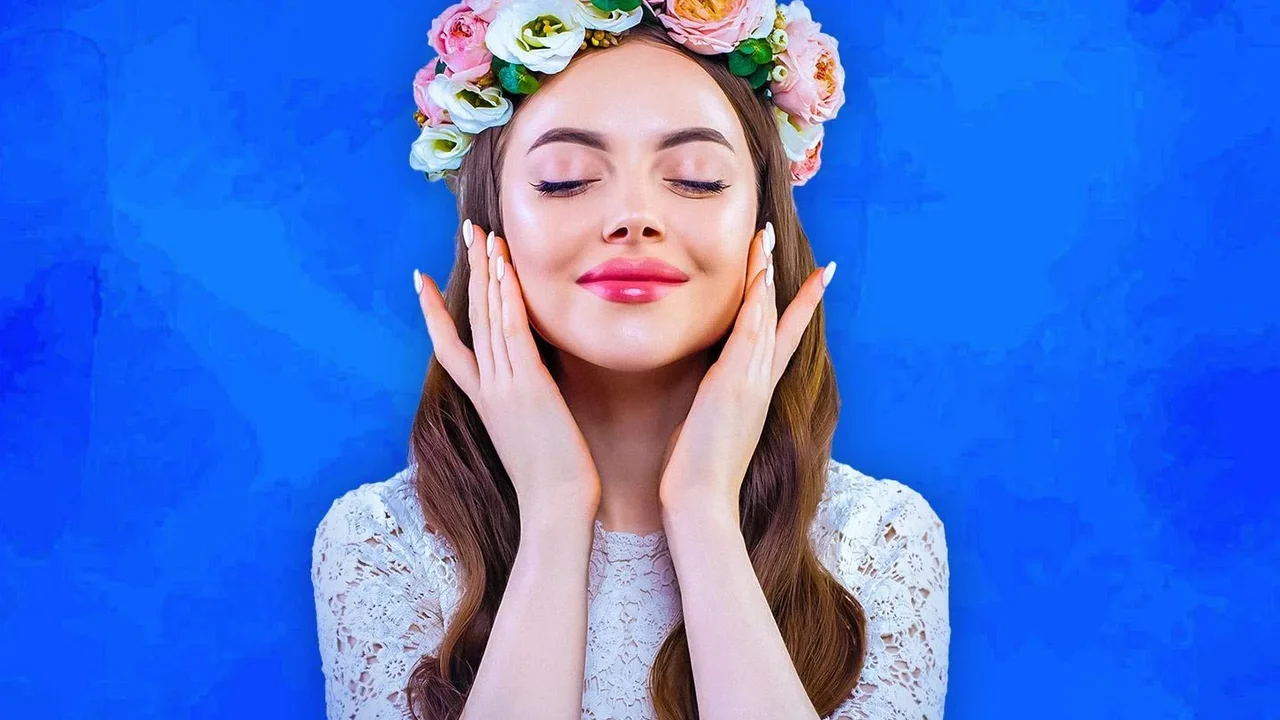
standard that dominated the 2010s. However, Generation Z, who grew up as digital natives on platforms like TikTok, are challenging this ideal. TikTok's algorithm, which favours authenticity and short-form video, has created a space where unedited, raw content often performs better than polished perfection. This shift has paved the way for a new aesthetic that values reality over illusion, making space for real skin to finally have its moment.
From Perfection Anxiety to Skin Positivity
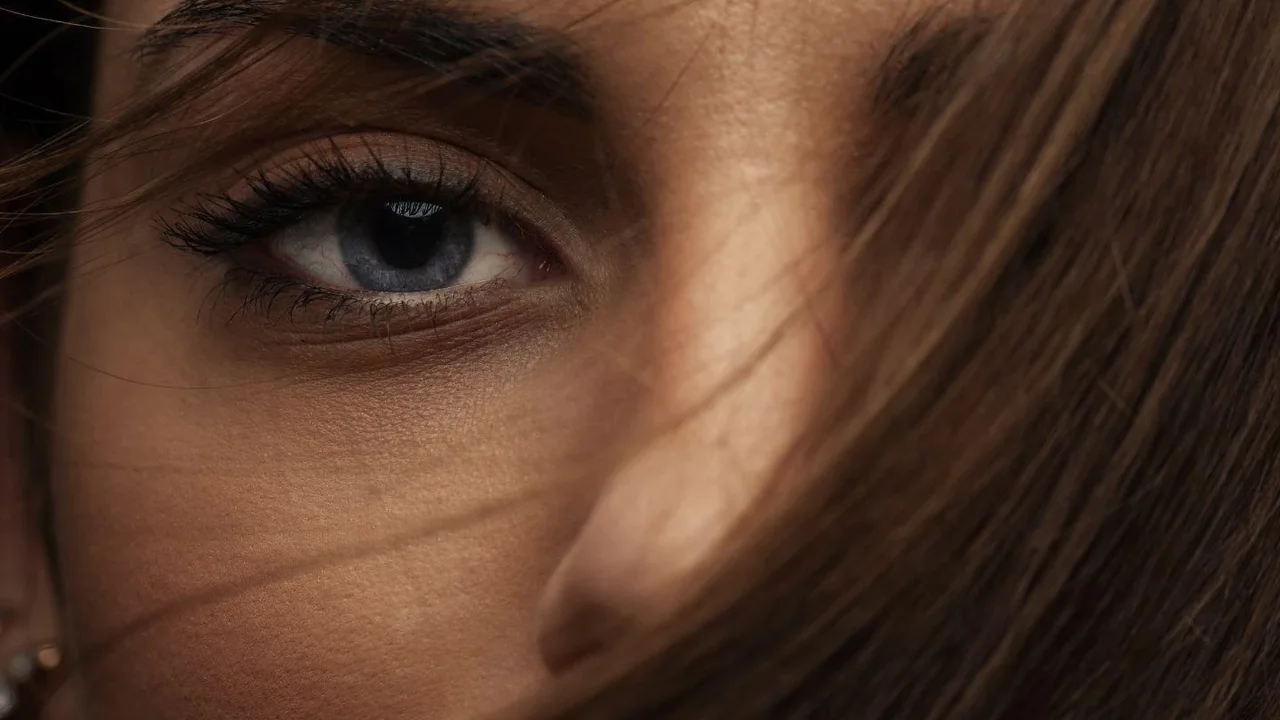
The relentless pursuit of perfect skin has a documented downside: anxiety and a negative impact on mental health. Gen Z, a generation that openly discusses and prioritises mental wellbeing, is acutely aware of the pressure created by unrealistic beauty standards. They are rejecting the narrative that acne or skin texture is a personal failing that must be hidden at all costs. Instead, movements like 'acne positivity' and 'skin neutrality' are gaining traction. Influencers and everyday users are posting unfiltered photos celebrating their natural skin, including acne, scars, and redness. This is more than just a trend; it's a form of self-care and a collective pushback against the idea that your worth is tied to the clarity of your complexion.
The Rise of the ‘Skintellectual’
This new approach isn't about neglecting skincare; it's about being smarter with it. Known as 'skintellectuals', many Gen Z consumers are highly educated about what they put on their skin. They prioritise ingredients over marketing claims and are fluent in terms like niacinamide, ceramides, and hyaluronic acid. This has fueled the 'skinimalism' movement, a 'less is more' philosophy that rejects complicated, 12-step routines in favour of a few, effective products. The focus is on supporting the skin's natural barrier and achieving healthy, hydrated skin, not necessarily poreless skin. It’s a sustainable and often more affordable approach that values long-term skin health over quick, cosmetic fixes.
How the Beauty Industry Is Adapting
Beauty brands have been forced to listen and adapt. The marketing language is changing, with a move away from words like 'flawless' and 'pore-erasing' toward terms like 'glow', 'radiance', and 'health'. Companies are increasingly featuring models with diverse and realistic skin textures in their campaigns. Authenticity has become the most valuable currency. Brands that are transparent about their ingredients, embrace inclusivity, and collaborate with influencers who offer genuine reviews are winning over this discerning demographic. User-generated content and honest testimonials on platforms like TikTok now hold more sway than a glossy magazine ad ever could, forcing the industry to pivot from selling perfection to promoting authenticity.