



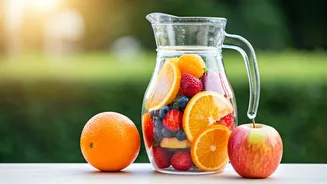




The Great Sugar Debate
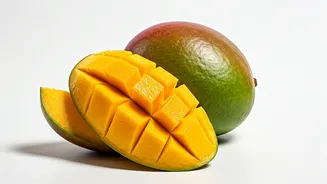
The main difference between eating a fruit and drinking its juice comes down to one word: fibre. When you eat a whole fruit, like a delicious summer mango or a sweet chikoo, its natural sugars (fructose) are packaged with fibre. This fibre acts like a brake,
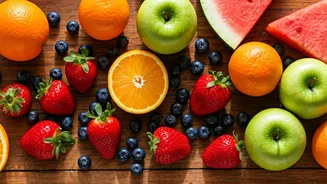
slowing down the absorption of sugar into your bloodstream. It prevents the sharp spike and subsequent crash in blood sugar and insulin levels that can leave you feeling tired and craving more sugar. Now, consider a glass of fruit juice. To get one glass, you might need three or four oranges. In the juicing process, all the beneficial fibre is stripped away, leaving you with what is essentially a glass of concentrated sugar and water. Your body absorbs this sugar almost instantly, much like it would from a sweetened soft drink. While the sugar is from a natural source, its impact on your body is far from ideal, contributing to energy slumps and, over time, a higher risk of metabolic issues.
Fibre Is Your Friend
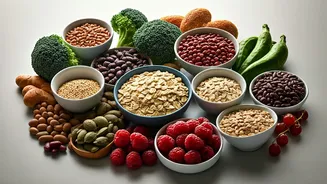
Let’s talk more about that fibre we just lost. Dietary fibre is a nutritional superstar, and whole fruits are packed with it. The pulp, skin, and seeds that get discarded during juicing are where the magic lies. This fibre is crucial for maintaining a healthy digestive system, preventing constipation, and feeding the good bacteria in your gut. A healthy gut microbiome is linked to everything from a stronger immune system to better mental health. Furthermore, soluble fibre, found in fruits like apples and guavas, can help lower cholesterol levels. By choosing the whole fruit, you’re not just getting vitamins; you're consuming a complete package designed by nature to nourish your body in multiple ways. Juice, on the other hand, offers a fraction of these benefits.
The Fullness Factor
Have you ever noticed that you can drink a large glass of juice and still feel hungry, but eating two whole fruits would leave you feeling satisfied? This is the 'fullness factor', or satiety, at play. The act of chewing itself sends signals to your brain that you are eating, which helps register fullness. More importantly, the fibre in whole fruit adds bulk and takes up space in your stomach, making you feel full and satisfied for longer. This is incredibly important for weight management. Because juice is less filling and higher in calories and sugar per serving than a whole fruit, it’s easy to consume a lot of ‘liquid calories’ without feeling full. Swapping your morning glass of juice for a whole banana or a bowl of papaya can significantly reduce your overall calorie intake and keep you from snacking before your next meal.
Nutrients Lost in Translation
While juice manufacturers love to advertise their products as being full of vitamins, the reality is that the juicing process, especially commercial pasteurisation, can degrade many of the delicate nutrients found in fruit. Heat and exposure to oxygen during processing can destroy a significant portion of vitamins like Vitamin C and B vitamins. Moreover, many powerful antioxidants and phytonutrients are concentrated in the skin and pulp of fruits—the very parts that are thrown away. The skin of an apple, for example, is rich in quercetin, a powerful anti-inflammatory antioxidant. By drinking only the juice, you are missing out on a huge range of these plant compounds that work together to protect your body from damage and disease.
Making the Smart Swap This Summer
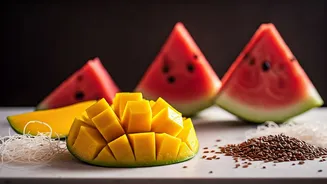
The good news is that embracing whole fruit is easy, especially during summer in India, when markets are overflowing with delicious options. Instead of reaching for a carton of juice, grab a juicy watermelon slice, a handful of jamun, or a sweet lychee. If you love the convenience of a drink, try a smoothie instead. Blending a whole fruit with some yoghurt or milk retains all the fibre and nutrients, giving you the benefits of the whole fruit in a drinkable format. You can also infuse water with slices of lemon, cucumber, and mint for a hydrating and refreshing drink without any of the sugar. The goal isn't to be perfect, but to make a conscious choice to prioritise the whole, natural form of food whenever you can.