




Brakes: Your First Line of Defence
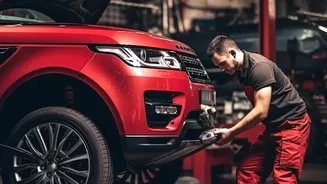
On steep descents, you rely heavily on your brakes. Continuous braking generates immense heat, which can lead to a dangerous condition known as 'brake fade', where stopping power is significantly reduced. Before your trip, have a mechanic inspect your brake pads,
discs, and fluid. If the brake pads have less than 10,000 km of life left, it's wise to replace them. Also, check that your handbrake is strong enough to hold the car on an incline, a common requirement for stopping on hilly roads. Remember to use lower gears for engine braking on long downhill stretches to give your brakes a rest.
Tyres: The Only Thing Connecting You to the Road
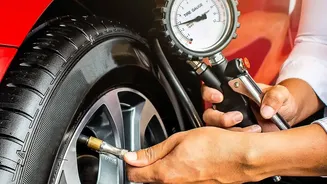
Mountain roads demand maximum grip. Ensure your tyres have adequate tread depth—at least 3-4 mm is recommended for good traction on unpredictable surfaces. Worn-out tyres are a major risk on hairpin bends and potentially wet or gravelly patches. Also, check your tyre pressure. As you gain altitude, the air gets thinner and colder, which can affect pressure. Check the manufacturer's recommended pressure before you start and inspect the tyres visually during your trip. Crucially, don’t forget to check the condition and pressure of your spare tyre.
Engine and Cooling System: Preventing Overheating
Climbing steep gradients puts a heavy load on your engine, increasing the risk of overheating. Your car's cooling system must be in top condition. Check your coolant level and top it up if necessary. It's also a good idea to inspect all hoses for any cracks or leaks. For high-altitude destinations like the Himalayas, your engine will produce less power because there is less oxygen in the air. A pre-trip service that includes changing the engine oil and air filter will help your engine perform as efficiently as possible under these stressful conditions.
Lights and Wipers: For Unpredictable Weather
Mountain weather can change in an instant, with fog, mist, or sudden rain showers drastically reducing visibility. Ensure all your lights are working perfectly: headlights (both high and low beam), fog lamps, brake lights, and indicators. Using headlights even during the day can help other drivers see you better on narrow, winding roads. Also, check your wiper blades for any signs of wear and tear and replace them if they leave streaks. A full windshield washer fluid reservoir is a small detail that makes a big difference when you encounter mud or grime.
Battery and Electricals: Powering Your Journey
Colder temperatures at high altitudes can be tough on a car battery, reducing its effectiveness. If your battery is old or has been showing signs of weakness, like slow starts, get it tested before you leave. Make sure the terminals are clean and free of corrosion for a solid connection. A healthy electrical system is vital for everything from your headlights to your engine management system, so a quick check can prevent you from getting stranded in a remote location.
Emergency Kit: Your Roadside Guardian
While thorough checks reduce the risk of a breakdown, you should always be prepared for the unexpected. Mobile signals can be weak or non-existent in remote mountain areas. Your emergency kit should go beyond the basics. Include a robust tool kit, a tyre inflator and puncture repair kit, jumper cables, and a tow rope. It's also wise to pack a first-aid kit, a powerful flashlight, extra water and non-perishable snacks, and warm clothing or a blanket in case you have to wait for assistance.