



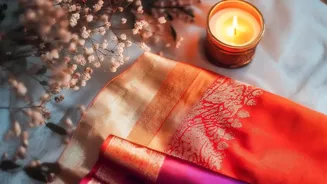
From Heirloom to Everyday Staple
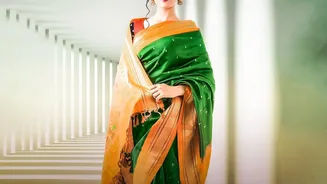
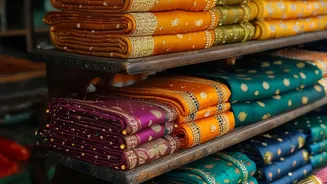
For generations, Indian handloom textiles were synonymous with preciousness. They were the heavy silks and intricate weaves stored carefully for weddings and festivals. Today, that perception is unravelling. A significant shift is underway, transforming
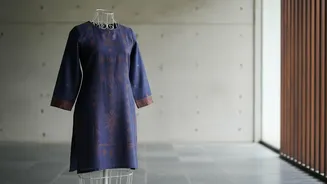
handloom from a textile of reverence to one of daily relevance. Designers and brands are moving away from high-maintenance traditional wear, instead focusing on creating pieces that fit into modern, everyday wardrobes. This isn't about discarding tradition, but reinterpreting it for a generation that values both heritage and practicality. The focus is now on making handloom a part of life, not just an event.
The Designer's Modern Weave
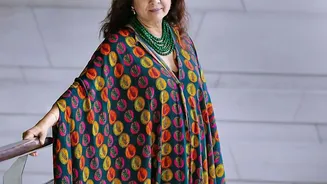
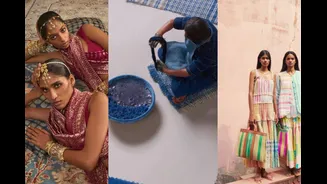
At the heart of this revival are designers who are acting as both storytellers and innovators. They are collaborating closely with artisan clusters, not to change the fundamental craft, but to change how people connect with it. This means reimagining traditional fabrics like khadi, ikat, and jamdani into contemporary silhouettes such as jackets, co-ord sets, dresses, and even streetwear. By focusing on modern cuts, lighter silhouettes, and versatile styling, they prove that handloom can be trendy and comfortable without losing its soul. The fabric, with its unique textures and human touch, remains the hero.
A Conscious Choice for a New Generation
The handloom revival is being powerfully driven by a new generation of consumers, particularly millennials and Gen Z, who are more intentional about their choices. They are moving away from mass-produced fast fashion, seeking authenticity, sustainability, and a story behind their clothes. Handloom, with its low carbon footprint, use of natural fibres, and support for artisan livelihoods, fits perfectly into this conscious mindset. This generation doesn't see the slight variations in a handwoven piece as a flaw, but as a mark of character and individuality that machines cannot replicate.
The Digital Thread Connecting Weavers and Wardrobes
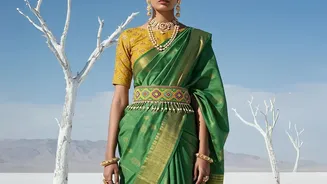
Technology, particularly social media and e-commerce, has played a crucial role in making handloom more accessible. Digital platforms have bridged the gap between rural weaving communities and urban consumers, allowing artisans to share their stories and sell their products directly. Influencers and online communities have also popularised trends like styling heirloom sarees for daily wear or pairing handloom pieces with modern accessories like sneakers and boots, showcasing the textile's versatility. This online visibility helps educate a global audience about the craftsmanship involved, fostering deeper appreciation and demand.
The Challenges That Remain
Despite the positive momentum, the path for handloom is not without its knots. The industry faces significant challenges, including intense competition from cheaper, machine-made powerloom fabrics. There is also the issue of an ageing weaver population, as younger generations are often drawn to other professions that promise more stable incomes. Ensuring fair wages, tackling the sale of imitation products, and making handloom consistently affordable are persistent hurdles. The future depends not just on celebrating heritage, but on building a robust ecosystem where weaving is a profitable and aspirational career.