





What Are the Proposed BS-VII Norms?
The Ministry of Road Transport and Highways has released draft notifications for the BS-VII emission standards, which are set to be a significant evolution from the current BS-VI norms implemented in 2020. Unlike previous upgrades that primarily focused
on tightening tailpipe emission limits, BS-VII aims to create a more holistic regulatory framework. The proposal broadens the scope to include non-exhaust pollution sources, mandates more robust real-world testing, and requires continuous in-life monitoring of a vehicle's emission performance. The government has invited public feedback on these draft rules before they are finalised.
A Phased Rollout Starting in 2029
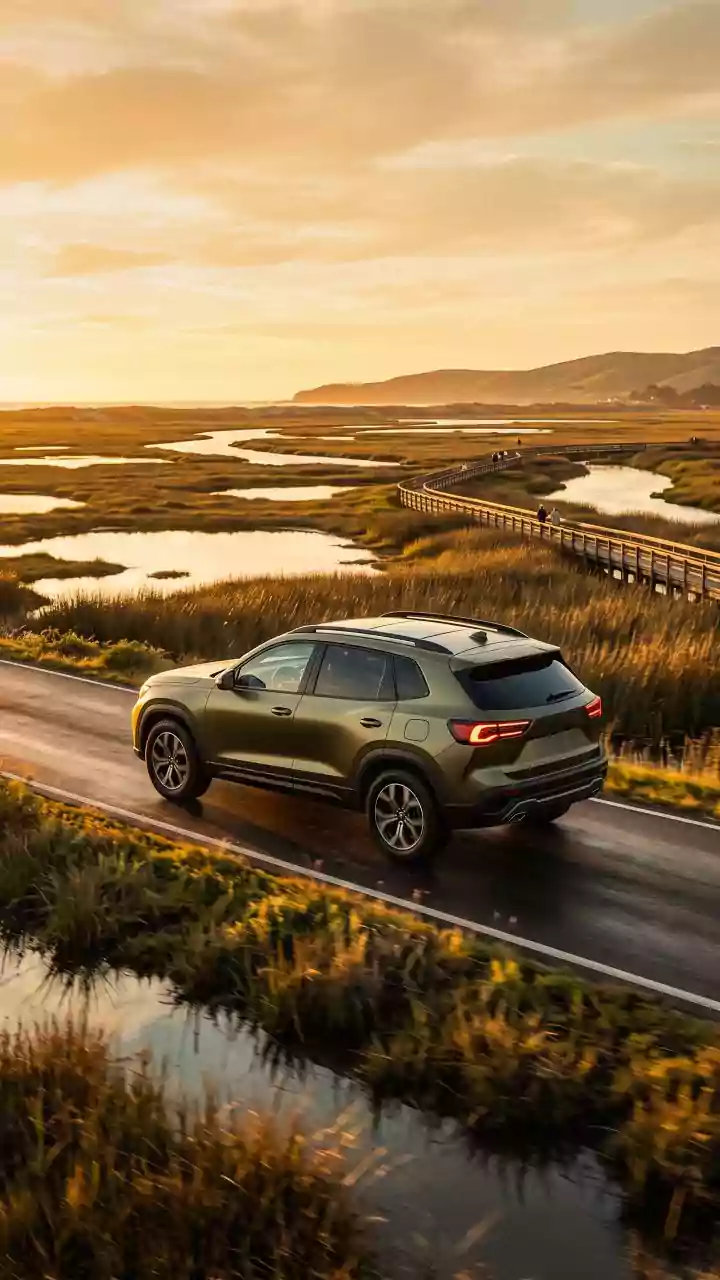
The transition to BS-VII is planned in a phased manner to give the industry adequate time to adapt. The first phase is slated to begin on April 1, 2029, for new passenger vehicles like cars and SUVs. This will be followed by light commercial vehicles from April 2030, and heavy-duty vehicles such as trucks and buses from April 2031. Further regulations, including stricter limits on certain particles, will continue to be rolled out in stages until 2035. It is important to note that these new standards will only apply to vehicles manufactured after the specified dates; existing vehicles, including those compliant with BS-VI, will not be affected.
Focus on Real-World Emissions
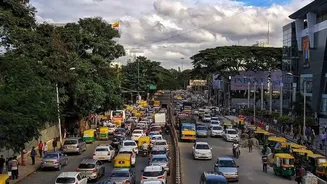
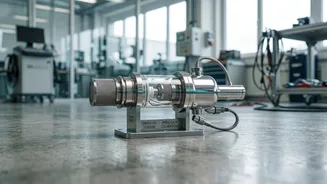
A cornerstone of the proposed BS-VII framework is the increased emphasis on Real Driving Emissions (RDE) testing. While laboratory tests are useful, they don't always reflect the emissions produced in everyday traffic and varied road conditions. From 2030, vehicles will need to undergo RDE testing for type approval using Portable Emissions Measurement Systems (PEMS). These devices are attached to the vehicle to measure pollutants like nitrogen oxides (NOx) and particulate matter while it is being driven on actual roads. The proposal specifies a conformity factor of 1.0, meaning a vehicle's real-world emissions cannot exceed the prescribed laboratory limits, making the testing protocol much stricter.
Beyond the Tailpipe: Brakes and Tyres
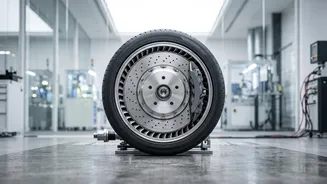
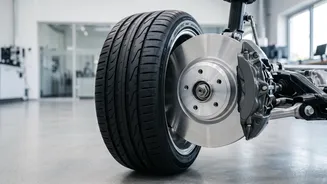
For the first time, Indian emission standards will regulate pollution that doesn't come from the exhaust pipe. The BS-VII draft introduces limits on particulate matter generated from brake wear and tyre abrasion. This is a crucial step because these non-exhaust emissions are produced by all vehicles, including electric ones. The proposed rules set limits on brake-particle mass (PM10) from April 2031, with different initial limits for EVs and conventional engine vehicles, which will later be unified under a single, stricter limit by 2035.
On-Board Monitoring and an 'Environmental Passport'
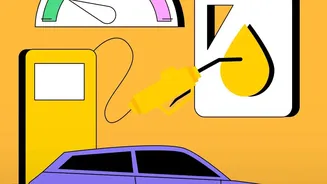
The new norms will require vehicles to be equipped with advanced On-Board Monitoring (OBM) systems. These systems will continuously track a vehicle's real-world fuel consumption and key emission data. The OBM will be capable of detecting and flagging when emissions exceed the legal limits by a certain margin. To increase transparency for consumers, the draft also proposes an 'Environmental Vehicle Passport' (EVP). This passport will provide clear information on a vehicle's emissions profile, fuel efficiency, and, for EVs, the health of its battery.
What Does This Mean for the Auto Industry and You?
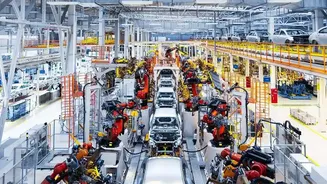
Automobile manufacturers have flagged concerns about the proposed 2029 timeline, stating it could require significant investment and potentially disrupt product development plans. The need to re-engineer vehicles for stricter real-world tests and non-exhaust emissions while also developing EVs presents a major challenge. For consumers, these technological upgrades could lead to an increase in vehicle prices, though the final impact remains to be seen. The new rules also mandate durability requirements, ensuring emission control systems remain effective for up to 200,000 km or 10 years. For electric vehicles, new rules will govern battery durability, requiring them to retain a significant portion of their capacity over years of use and mileage.