





A Worryingly Dry Start
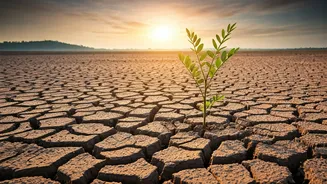
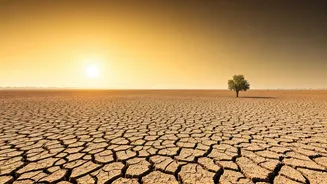
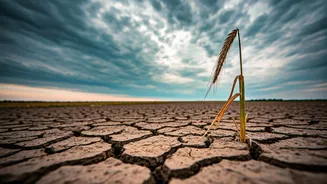
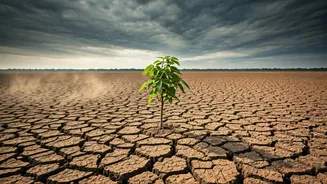
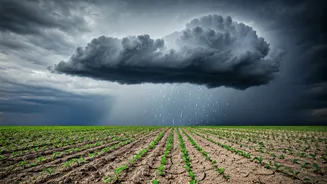
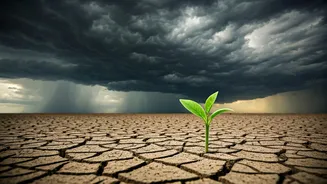
The India Meteorological Department (IMD) has sounded a note of caution for the crucial month of July, predicting that rainfall is likely to be below normal. This comes after one of the driest Junes on record, which saw a rainfall deficit of nearly 40%
below the long-period average (LPA). A delayed onset and sluggish advance in many areas have already set a weak foundation for the season, which delivers about 70% of India's annual rain and is a lifeline for its nearly $4-trillion economy. The forecast for July, a vital month for the sowing of summer crops, suggests a continuation of this trend, with rainfall expected to be less than 94% of the norm.
The El Niño Effect
A primary reason for this sobering outlook is the strengthening of the El Niño weather pattern in the Pacific Ocean. In simple terms, El Niño is a climate pattern marked by unusually warm sea surface temperatures in the equatorial Pacific, which disrupts global weather. For India, El Niño years have historically been associated with weaker monsoon winds and drier conditions. Forecasters at both the IMD and private agency Skymet have pointed to the developing El Niño as a key factor that is expected to weigh on the monsoon, particularly in its second half. While not every El Niño leads to a drought, it significantly increases the probability of a deficient monsoon.
The Ripple Effect on Agriculture
A weak monsoon is most acutely felt in the fields. With nearly half of India's farmland lacking irrigation, the kharif (summer) sowing season is critically dependent on monsoon rains. The performance in July is especially important as it's when most farmers sow crucial crops like rice, cotton, soybeans, and pulses. A deficit could lead to lower crop yields, impacting the livelihoods of millions of farmers and potentially straining rural demand for goods like two-wheelers and tractors. While the government points to ample stocks of food grains and adequate fertiliser availability as buffers, the success of the rain-fed agricultural sector remains tied to the sky.
More Than Just Farming
The monsoon's influence extends far beyond agriculture, which contributes about 18% to the GDP. The rains replenish reservoirs and aquifers, which are vital for drinking water supply in cities and for generating hydropower, accounting for about 9% of India's electricity. A significant deficit could stress urban water supplies and energy production later in the year. Economically, a poor monsoon can stoke food inflation, a major concern for household budgets and a key factor watched by the Reserve Bank of India. A 10% deficit in rainfall can reportedly add up to one percentage point to headline inflation.
Is It All Bad News?
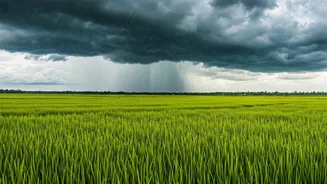
While the headline numbers are concerning, the story of the monsoon is always one of distribution. A national average can mask regional variations. The IMD forecast, for instance, suggests that some parts of Northwest and Northeast India might receive normal to above-normal rainfall, even as the rest of the country stays dry. Furthermore, a recent Finance Ministry report suggests that India's economy is becoming less vulnerable to monsoon fluctuations due to improved irrigation, better farming practices, and structural economic changes. Still, while the direct link to GDP may be weakening, the monsoon's grip on food prices and rural well-being remains formidable.