
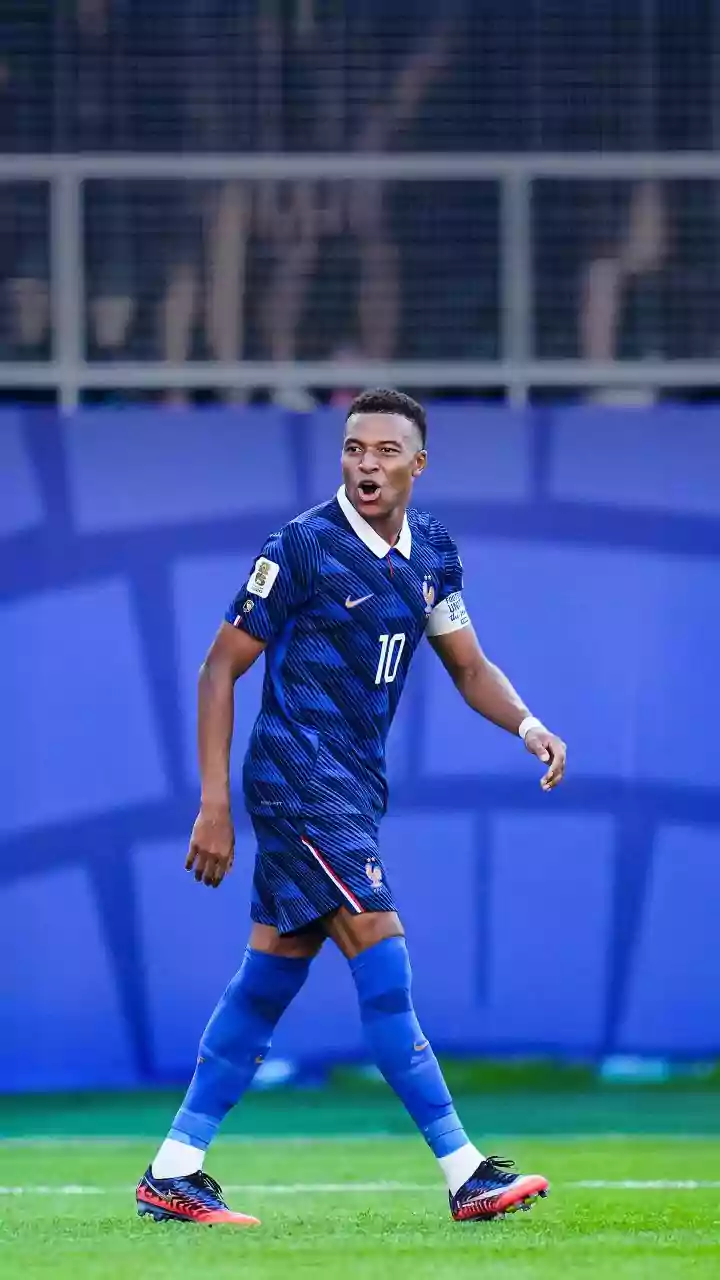


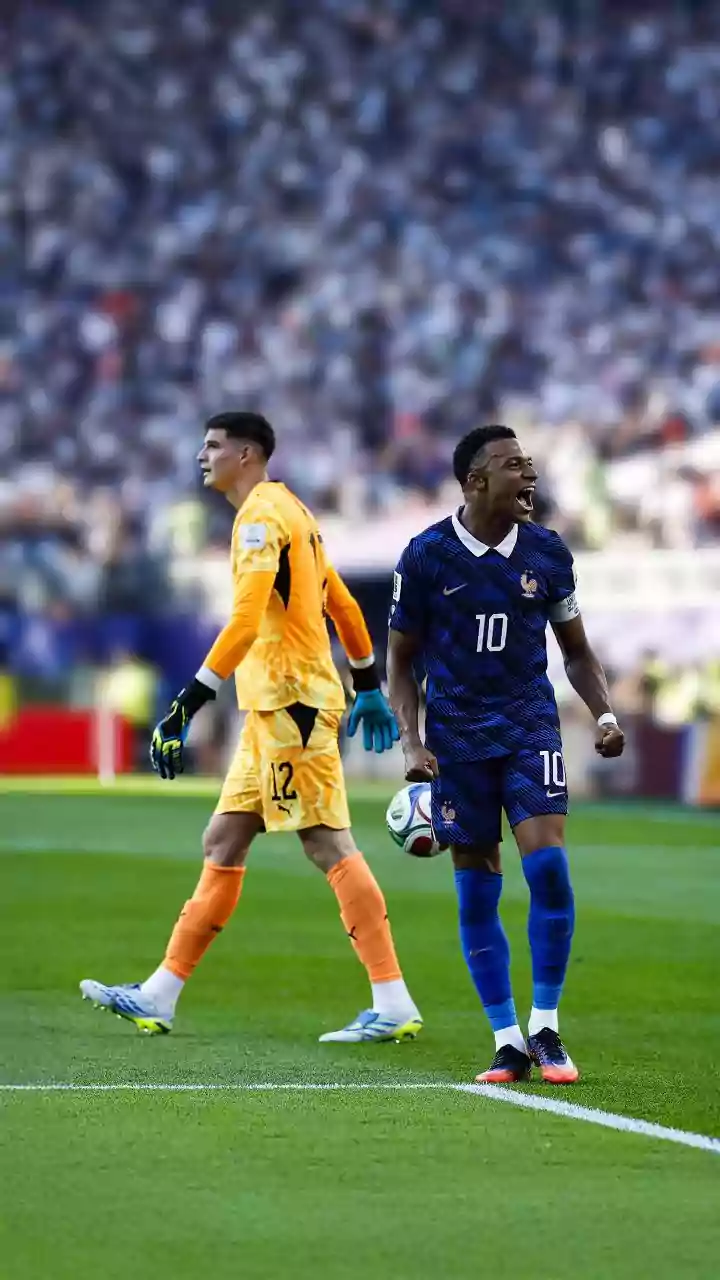





An Accidental Legend
The legend of the number 10 began not with a choice, but with a happy accident. Before the 1958 World Cup, the Brazilian Federation forgot to assign squad numbers. FIFA officials randomly allocated them, and a 17-year-old prodigy named Edson Arantes do Nascimento,
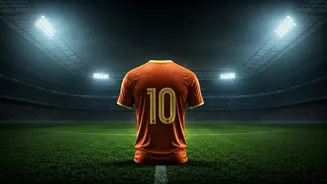
better known as Pelé, was given the number 10. At the time, numbers were generally linked to positions on the pitch, but this random assignment would change football history. Pelé took that tournament by storm, leading Brazil to glory and forever linking the number 10 with breathtaking skill and transcendent talent. After Pelé, the shirt was no longer just a number; it was an honour.
The Playmaker's uniform
Tactically, the number 10 belongs to the playmaker, the creative force operating in the space between the midfield and the attack. Known in Argentina as the 'enganche' or 'hook', this player links the different parts of the team, dictating the tempo and unlocking defences with a moment of brilliance. They are expected to have exceptional vision, technical skill, and an ability to read the game, creating opportunities for others and scoring crucial goals themselves. The classic number 10 was afforded a 'free role', often with limited defensive duties, to allow them to focus solely on orchestrating the attack. This player was the team's brain, its artist-in-residence.
The Pantheon of Greats
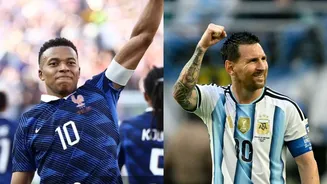
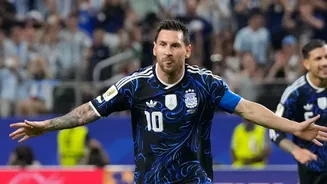
If Pelé created the legend, a succession of geniuses cemented it. Diego Maradona took the myth to a new level, most notably with his mesmerising, single-handed domination of the 1986 World Cup for Argentina. His combination of otherworldly dribbling, vision, and rebellious charisma made the number 10 a symbol of individual genius. The lineage continued with players like France's elegant Zinedine Zidane, who guided his nation to World Cup glory in 1998, and Brazil's joyful Ronaldinho, who played with a smile and magic in his boots. And then came Lionel Messi, who inherited the number for Barcelona and Argentina, becoming for many the greatest player of all time and leading his country to a cathartic World Cup victory in 2022.
An Evolving Role
In the hyper-athletic, tactically rigid world of modern football, the classic, luxury number 10 has faced an existential threat. The rise of high-pressing systems and compact defensive shapes has squeezed the space in which traditional playmakers operate. Modern managers often demand that every player contributes defensively, making a purely offensive creator a liability. As former number 10 Kaka noted, the role has had to evolve, with less space available in the centre of the pitch. Today's creative midfielders, like Kevin De Bruyne or Martin Ødegaard, are often hybrids, blending the vision of a classic 10 with the work rate and tactical discipline of a box-to-box player. They press, they tackle, and they create, proving that artistry can coexist with athleticism.