






Marigolds for a Festive Touch
No Indian festive season feels complete without the golden glow of marigolds (Genda). October is the ideal time to plant them, ensuring you have a fresh supply for Diwali and other celebrations. Marigolds are famously low-maintenance and thrive in the post-monsoon
climate. For best results, choose a spot that receives at least six hours of direct sunlight. You can sow seeds directly into well-draining soil or pots. If you purchase saplings, transplant them carefully. Water the plants when the top inch of soil feels dry, but avoid waterlogging, which can cause root rot. To encourage a bushier plant with more flowers, gently pinch off the growing tips of young plants and regularly remove any faded blooms. This simple act encourages the plant to produce more flowers, giving you a continuous, vibrant display through the winter months.
Chrysanthemums for Winter Colour
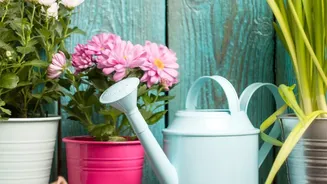
Known as the 'Autumn Queen', chrysanthemums (Guldaudi) are a staple for adding rich, elegant colour to winter gardens. These flowers bloom profusely in the cooler, shorter days of the year. While you can plant hardy mums in spring for a well-established root system, buying and planting them in early autumn provides instant garden colour. Like marigolds, chrysanthemums love sun, so find a location with five to six hours of daily sunlight. They prefer well-draining soil that's rich in organic matter. If you're growing them from cuttings, take a healthy 4-6 inch stem and plant it in a mix of cocopeat and sand until roots form. For established plants, water at the base when the topsoil feels dry to prevent fungal issues like powdery mildew. These stunning flowers come in various forms, from large 'spider' blooms to compact 'pom-poms', making them a versatile choice for any garden size.
Spinach for a Healthy Harvest
October is the prime sowing time for winter spinach (Palak) across most of India. The cooler temperatures enhance the flavour of the leaves and lead to a more tender crop. Spinach is a fast-growing and nutrient-dense green that is perfect for home gardens, including pots and containers on a balcony. To ensure a successful harvest, prepare loose, well-draining soil and enrich it with compost. Sow seeds about half an inch deep, spacing them a few inches apart. Keep the soil consistently moist until germination, which usually takes about a week or two. For a continuous supply of fresh leaves throughout the winter, consider 'succession sowing'—planting a small batch of seeds every couple of weeks. You can typically begin harvesting the outer leaves in just four to six weeks, leaving the inner leaves to continue growing.
Tips for a Thriving October Garden
Whether you are planting flowers or vegetables, a little preparation goes a long way. Start by clearing away any spent summer plants and weeds to prevent pests from carrying over into the new season. Revitalise your soil by loosening the top layer and mixing in well-rotted compost or manure. This simple step improves aeration, drainage, and provides essential nutrients for the new plants. For container gardens, ensure your pots have adequate drainage holes. Using a mix of garden soil, cocopeat, and compost is often more effective than using garden soil alone, which can become compacted. Finally, applying a layer of mulch, such as dry leaves or straw, can help retain soil moisture and keep weeds at bay. With these foundational steps, your October plantings will be well on their way to success.