


A Land of Extreme Geography
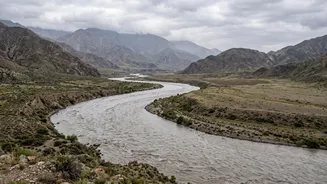
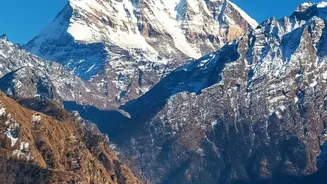
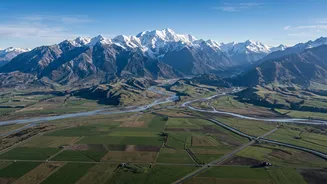
Nepal's geography is a double-edged sword. Its steep mountains and deep valleys are home to thousands of glaciers and hundreds of rivers, forming the largest source of freshwater in the region. This topography is ideal for hydropower and supports countless
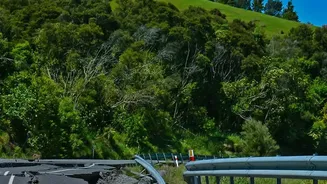
communities. However, it's also inherently unstable. The combination of steep slopes, fragile geology, and the powerful forces of water creates a constant hazard. Earthquakes can shake mountains loose, and intense monsoon rains can saturate hillsides, making them prone to collapse. When this happens, the consequences can be devastating, setting the stage for a unique and deadly type of flood.
When Landslides Dam Rivers
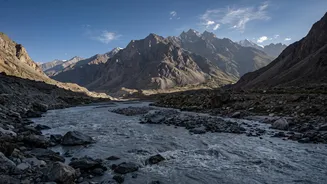
One of the most immediate dangers is a landslide dam outburst flood (LDOF). This occurs when a massive landslide crashes into a narrow river valley, blocking the flow of water. A temporary, and highly unstable, lake forms behind this wall of rock and debris. The pressure of the rising water can cause the natural dam to fail suddenly and catastrophically. The result isn't just water; it's a terrifying, fast-moving slurry of water, mud, boulders, and trees that scours the riverbed and can destroy everything in its path, from bridges to entire villages. Events like the 2021 Melamchi flood, triggered when a landslide dam overtopped, show just how destructive these surges can be, inundating areas with little to no warning.
The Threat from Melting Glaciers
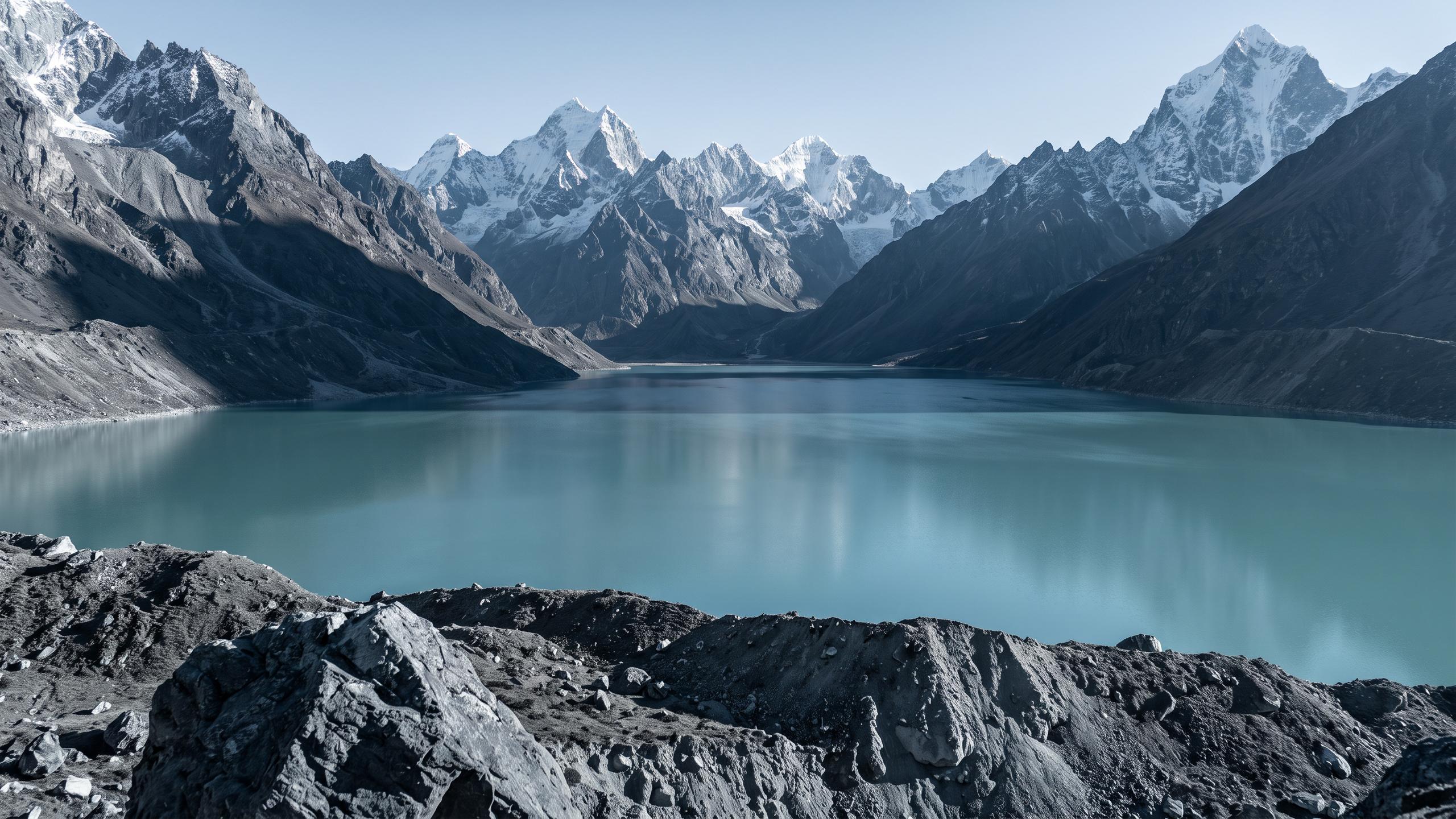
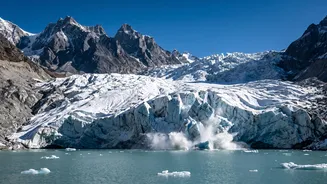
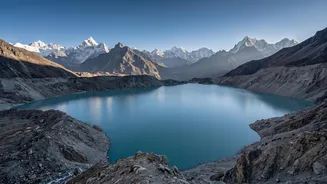
A second, and increasingly common, threat comes from higher up the mountains. As global temperatures rise, Nepal's glaciers are melting at an alarming rate. This meltwater often collects in lakes at the foot of the glaciers, held in place only by natural dams of loose rock and soil called moraines. These are known as glacial lakes, and many are dangerously unstable. A Glacial Lake Outburst Flood, or GLOF, happens when this moraine dam gives way. The trigger could be an earthquake, an avalanche crashing into the lake, or simply the pressure of the ever-expanding volume of water. Like an LDOF, a GLOF releases a massive, debris-laden wall of water that can travel for tens of kilometres, wiping out infrastructure and communities. There are 21 glacial lakes in Nepal identified as potentially dangerous.
A Cascade of Consequences
The destructive power of these outburst floods is immense. They move with incredible speed and force, often described as being like liquid concrete. The force can destroy vital infrastructure, including billion-dollar hydropower projects that are crucial to Nepal’s economy, as well as roads and bridges that connect remote communities. The recent deadly floods along the Nepal-Tibet border, which were likely caused by a rock and ice avalanche blocking a river, swept away entire villages and left hundreds missing. These events highlight a frightening reality: conventional flood warning systems, which rely on rainfall data, are often useless because these floods can occur without any prior rain.
Why India Must Pay Attention
This is not just Nepal's problem. Many of the major rivers that originate in or flow through Nepal, such as the Gandak (known as the Narayani in Nepal) and the Kosi, are lifelines for millions in India, particularly in Bihar and Uttar Pradesh. A catastrophic flood event upstream in Nepal can send a deadly surge across the border with little warning. The 2014 Sunkoshi landslide, which blocked a tributary of the Kosi, prompted mass evacuations in Bihar. As climate change makes these events more frequent and intense, the need for robust cross-border cooperation on early warning systems, disaster management, and long-term water management strategies has never been more urgent for the safety of both nations.