






Beyond the Four Walls of a Classroom
For generations, education in India has been synonymous with chalkboards, textbooks, and rote memorisation. But a growing movement is challenging this model, advocating for a classroom without limits: the great outdoors. This approach, broadly known as nature-based
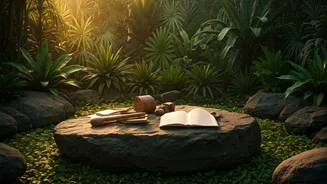
learning or environmental education, is gaining significant traction. It’s a pedagogical philosophy that uses nature as a co-teacher, a living laboratory where abstract concepts from science, mathematics, and even literature come to life. Instead of just reading about an ecosystem, students explore a local pond. Instead of memorising botanical names from a chart, they learn to identify trees in a neighbourhood park. This isn't just about occasional field trips; it's a fundamental shift towards making learning an immersive, sensory, and deeply contextual experience.
More Than Just a Walk in the Park
The benefits of this approach extend far beyond academic knowledge. Research consistently shows that children who spend more time learning in natural environments exhibit improved concentration, better problem-solving skills, and enhanced creativity. The unstructured nature of the outdoors encourages curiosity and independent inquiry. A fallen log isn't just a log; it's a balance beam, a home for insects, a subject for a drawing, and a lesson in decomposition. This kind of hands-on, multi-sensory engagement strengthens neural pathways in ways that passive classroom learning cannot. Furthermore, outdoor learning has profound effects on well-being. It reduces stress, combats the effects of a sedentary lifestyle, and fosters social skills as children collaborate on tasks, navigate uneven terrain, and share discoveries. It builds resilience, risk-assessment skills, and a sense of physical confidence that is often underdeveloped in urban settings.
India's Green Education Shift
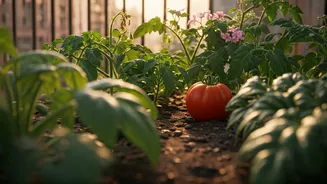
This global trend is finding fertile ground in India, supported by both policy and grassroots initiatives. The National Education Policy (NEP) 2020 explicitly calls for a move towards experiential and inquiry-based learning, reducing curriculum content to focus on key concepts. This provides a formal framework for schools to integrate more outdoor activities. Across the country, pioneering educators and organisations are already leading the way. So-called 'forest schools' and nature-based kindergartens are emerging in and around cities like Bengaluru, Pune, and Mumbai, where children spend a significant part of their day outdoors. Organisations like WWF-India have been running nature clubs and education programmes for years, but now more mainstream schools are adopting similar models, creating butterfly gardens, vegetable patches, and designated 'wild' areas on their campuses to facilitate daily interaction with nature.
The Hurdles to Widespread Adoption
Despite the clear benefits and growing interest, mainstreaming outdoor education in India faces several challenges. The primary obstacle is the deeply entrenched, exam-oriented culture that prioritises marks over holistic development. Many parents and even some educators remain sceptical, viewing time spent outdoors as 'play' that detracts from 'serious' study. Safety concerns, especially in urban areas, are another major deterrent. Issues like pollution, lack of safe public green spaces, and fear of insects or minor injuries often keep children indoors. Furthermore, there is a shortage of teachers trained in facilitating outdoor learning, which requires a different skill set than traditional classroom management. Equity is also a concern; while children in affluent communities may have access to curated forest schools, those in densely populated urban areas or underprivileged communities often have the least access to safe, clean, natural environments.
Bringing the Outdoors into Your Life
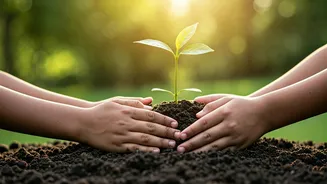
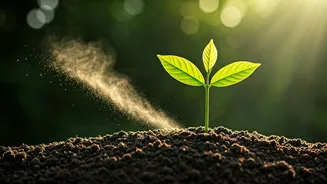
Parents don't need to wait for a systemic overhaul to start reaping the benefits of nature-based learning. Simple, consistent actions can make a huge difference. Start by encouraging unstructured play in a local park. Go on weekend treks or visit a nearby nature reserve. Involve children in gardening, whether on a balcony or a small patch of soil. Create a 'nature journal' where they can draw what they see or write about their outdoor adventures. The goal is not to become an expert botanist overnight but to foster a sense of curiosity and connection. By encouraging children to observe the changing seasons, listen to birdsong, and feel the texture of a leaf, we are teaching them the most important lesson of all: that learning is everywhere, and the world is their classroom.