




The Waterproofing Trinity
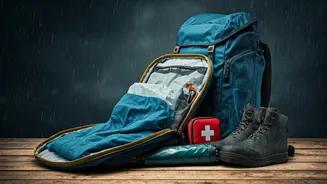
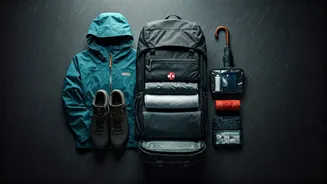
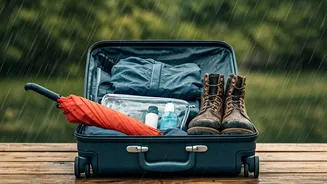
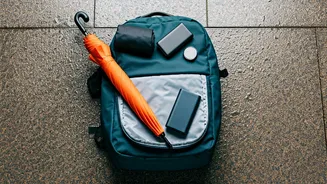
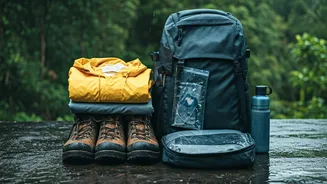
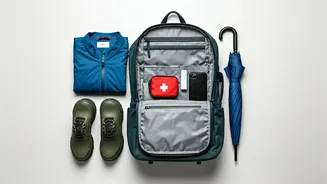
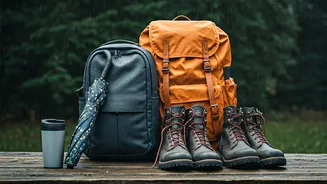
This is non-negotiable. First, a reliable, lightweight rain jacket. Look for one that's breathable so you don't feel like you’re in a sauna. Second, a sturdy, wind-proof umbrella. A compact one is good for city strolls, but a larger, vented model is better
for windy coastal areas or hills. Finally, a waterproof cover for your backpack. Even if your bag claims to be water-resistant, hours in a downpour will test its limits. A dedicated rain cover is a small, inexpensive item that can save your clothes, electronics, and peace of mind. These three items work together to create your primary shield against the elements.
The Right Foot Forward
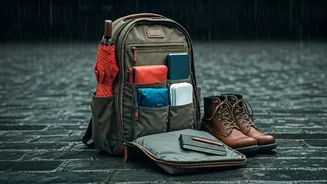
Your footwear choice can make or break a monsoon trip. Leather shoes are a definite no—they'll get ruined by water and take forever to dry, not to mention the smell. Canvas sneakers are similarly problematic. Instead, opt for rubber floaters, waterproof sandals with good grip, or Crocs-style clogs. They are easy to clean, dry quickly, and let your feet breathe. Avoid standard flip-flops, as they offer poor grip on slippery surfaces and minimal protection. If you plan on trekking, invest in a pair of hiking sandals or quick-drying trail shoes with excellent tread to navigate muddy paths safely.
A Quick-Dry Wardrobe
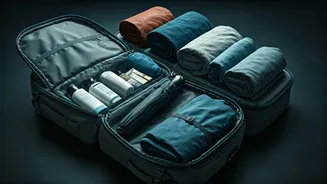
During the monsoon, humidity is your enemy. Cotton and denim are terrible choices as they absorb moisture, become heavy, and take days to dry in damp weather. Your wardrobe should be dominated by synthetic and semi-synthetic fabrics like polyester, nylon, and rayon. These materials are lightweight, wrinkle-resistant, and, most importantly, dry incredibly fast. Pack quick-dry t-shirts, synthetic trousers or shorts, and a light fleece for chilly evenings in the hills. A few sets of synthetic undergarments are also a wise investment. Packing light with these fabrics means you can easily wash and re-wear clothes during your trip.
Protecting Your Electronics
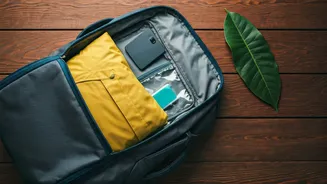
Water and gadgets do not mix. A waterproof phone pouch is a must-have. It allows you to use your phone for navigation or photos even in a light drizzle. For other electronics like cameras, power banks, and chargers, use zip-lock bags as a simple but effective layer of protection inside your main backpack. Power cuts can be common during heavy rains, so a fully charged power bank is your best friend. Pro tip: toss a few silica gel packets—the kind you find in new shoe boxes—into your electronics bag. They absorb ambient moisture and help prevent damage from condensation.
The Health and Hygiene Arsenal
The monsoon season brings a higher risk of water-borne diseases and insect activity. Your medical kit should be tailored accordingly. Start with the basics: antiseptic wipes, band-aids, pain relievers, and any personal medications. Add a strong mosquito and insect repellent containing DEET. The dampness can also lead to fungal infections, so packing an anti-fungal powder for your feet and other susceptible areas is a smart preventative measure. Hand sanitiser is essential for times when clean water isn't readily available. This small kit ensures that minor health issues don't disrupt your travel plans.
Unexpected Little Lifesavers
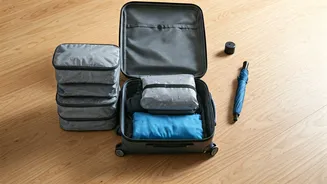
Sometimes, it's the small things that make the biggest difference. A synthetic, quick-dry travel towel is far superior to a bulky cotton one. A small, portable hairdryer can be a godsend for drying not just your hair but also damp socks or clothes in a pinch. A handful of sturdy zip-lock bags are incredibly versatile—use them to quarantine wet clothes, protect snacks, or keep documents dry. Finally, consider a small, empty plastic bag to carry your wet umbrella or rain-soaked sandals when you go indoors, saving you from dripping all over shops and hotel lobbies.