






The End of the Annual Holiday?
For many, the idea of a vacation involves saving up leave and money for one big trip a year. But for India's Gen Z, that model is quickly becoming outdated. A recent Airbnb report revealed that a staggering 7 in 10 young Indian travellers would rather
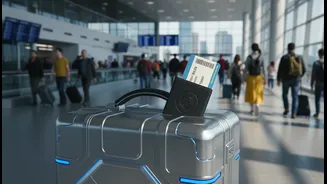
take three short trips than one long annual holiday. This shift marks a significant change in how younger generations view leisure and escape. Travel is no longer a meticulously planned annual event but a spontaneous and frequent response to stress, a long weekend, or simply the desire for a change of scenery. This new travel rhythm, defined by weekend trips and three-to-five-day breaks, prioritises regular rejuvenation over a single, extended period of rest.
Why Micro-Breaks are Gaining Momentum
The appeal of micro-breaks is rooted in a desire for better work-life balance and mental well-being. In today's fast-paced work environment, waiting an entire year for a break can lead to burnout. Shorter, more frequent escapes act as a release valve, helping to manage stress and prevent mental fatigue before it sets in. This generation values experiences and self-expression, with 87% of Gen Z travellers in India stating that the way they travel reflects who they are as a person. These trips are often spontaneous, with two-thirds of bookings made within just days or weeks of departure, highlighting a preference for flexibility over rigid, long-term planning. The destination is secondary; the primary goal is often just to rest, recharge, and enjoy slow days without a packed itinerary.
Reshaping Workplace Leave and Culture
The rise of micro-breaks is prompting a new conversation in the workplace. Traditional leave policies, often built around long blocks of time, may not align with this growing preference for shorter, more frequent holidays. As a result, companies are beginning to see the benefits of more flexible leave structures. Encouraging employees to take regular short breaks can lead to increased productivity, improved morale, and lower rates of burnout. Some organisations are even promoting the use of long weekends or half-days to facilitate these mini-vacations, recognising that a well-rested employee is more focused and creative. This shift challenges the old notion that dedication means being constantly present, suggesting instead that true productivity is sustained through regular, guilt-free rest.
The Hidden Costs of Frequent Travel
While the idea of multiple getaways a year is appealing, it comes with a significant financial catch. The costs associated with frequent travel can quickly add up, often surpassing the expense of a single long vacation. Each trip involves its own set of fixed costs for transportation, such as flights or fuel, and accommodation. Booking fees, service charges, and last-minute price surges for spontaneous trips can also inflate the overall budget. Airfare is often the largest single expense for any trip, and paying for it multiple times a year can be a major financial drain. Without careful planning, the dream of frequent travel can lead to unexpected debt and financial stress, undermining the very goal of relaxation and escape.
Budgeting for a Year of Micro-Breaks
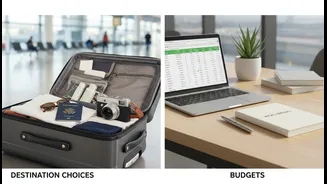
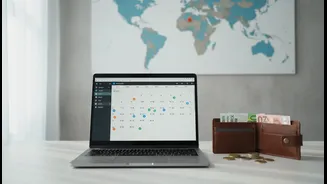
To make the micro-break lifestyle sustainable, a smart financial strategy is essential. The first step is to create an annual travel fund. Start by estimating the total cost of all planned short trips for the year and add a buffer of 15-20% for spontaneous getaways or unexpected expenses. Divide this total by 12 to determine a realistic monthly savings goal. Automating transfers to a dedicated high-yield savings account can make this process seamless. When booking, be flexible with dates; travelling mid-week can significantly lower costs. For managing daily expenses, consider carrying only the cash you’ve budgeted for that day to avoid overspending on credit. Finally, prioritise what matters most—if trying local food is key, you might save on accommodation by choosing a homestay with a kitchen.