



Make Drainage Your Top Priority
The single biggest challenge for potted herbs during the monsoon is waterlogged soil. When roots sit in soggy soil, they can't get the air they need, leading to root rot. Before the rains intensify, ensure every pot has clear drainage holes. If you use
saucers, empty any collected water daily. A great trick is to elevate your pots slightly on bricks or 'pot feet' to allow excess water to escape freely and improve air circulation around the base. Consider adding a layer of sand or small pebbles to your potting mix to improve its drainage capacity. A well-draining soil mix is your first line of defense against most monsoon-related plant problems.
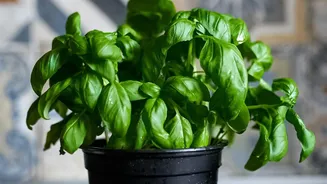
Mastering Monsoon Basil Care
Basil, especially Italian or sweet basil, is famously sensitive to overwatering and fungal diseases, which are common in high humidity. Water your basil plant only when the top inch of the soil feels dry to the touch. The constant rain might mean you don't need to water it at all. The key is to check. To prevent fungal issues, ensure good air circulation by not overcrowding plants. Trim any yellowing leaves or dense growth to allow air to move through the foliage. Aphids can also be attracted to the lush new growth prompted by rain; a simple spray of soapy water can help manage them if they appear.
Keeping Mint Healthy and Contained
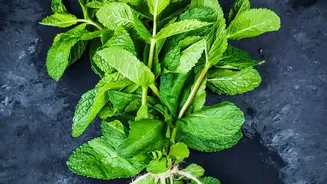
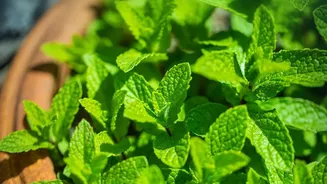
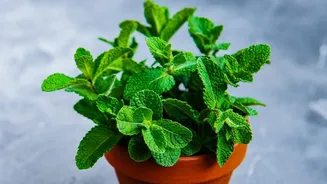
Mint is a hardy herb that often loves the moisture of the monsoon, but it's not without its challenges. Overwatering can still lead to root rot, so good drainage remains essential. A more common issue with mint during the rains is a fungal disease called rust, which appears as small orange or brown spots on the underside of leaves. To combat this, avoid getting the leaves wet when you water and remove any affected leaves immediately. Mint is also an aggressive grower; its runners can quickly take over. Growing it in a container is the best way to keep it in check. Regular harvesting will also encourage the plant to grow bushier and healthier.
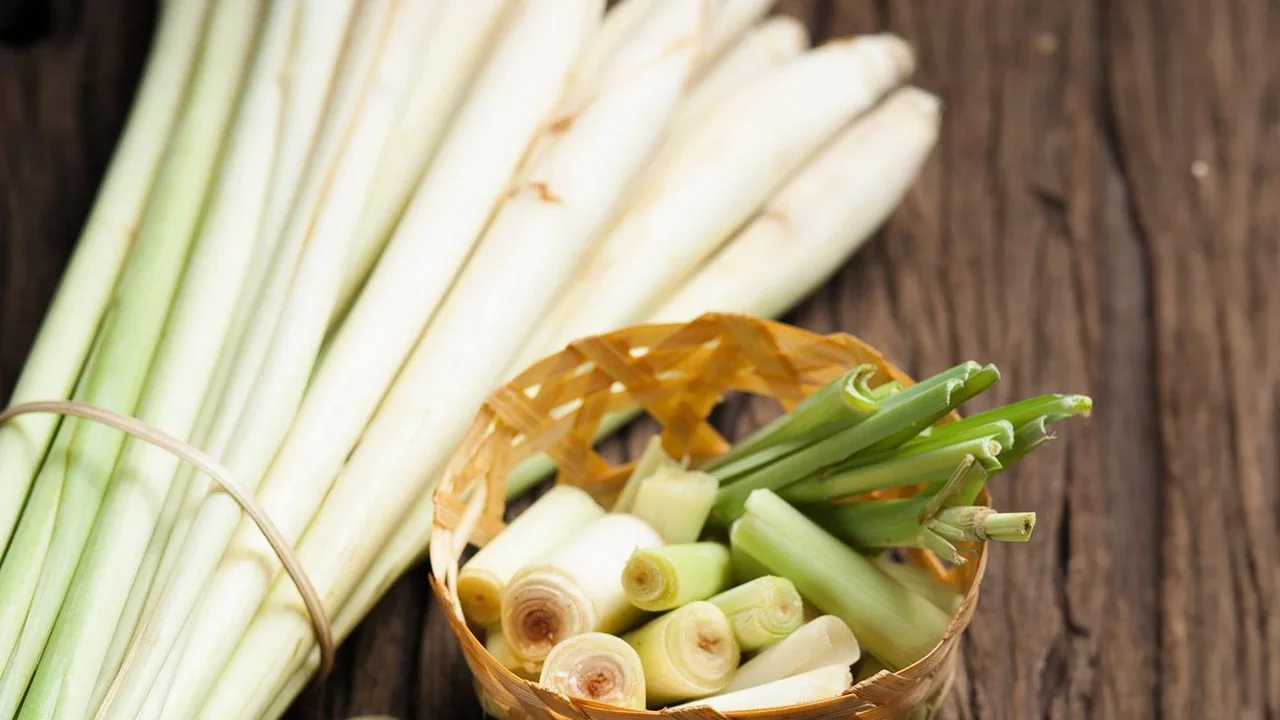
Tips for Thriving Lemongrass
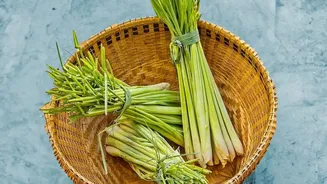
Lemongrass is a tropical grass that generally enjoys the rainy season. However, even this sturdy plant can suffer if left in a completely waterlogged pot. Ensure your container is large enough and has excellent drainage. While lemongrass loves water, its roots shouldn't be swimming. During periods of heavy, continuous rain, you might consider moving the pot to a location with some overhead cover, like a deeper part of the balcony, to give it a break from the deluge. Lemongrass thrives in full sun, so on days when the sun does appear, make sure your plant gets at least a few hours of direct light to keep it vigorous and photosynthesizing properly.
Managing Pests and Sunlight
Wet and humid weather is a paradise for pests like slugs, snails, and various fungal diseases. Regularly inspect your plants, especially the undersides of leaves, for any signs of trouble. Slugs and snails, which leave silvery trails, are particularly active in damp conditions and can be picked off by hand. Another challenge is the lack of sunlight. Herbs need sun to develop their essential oils and flavour. On overcast days, any amount of light is helpful. Try to place your pots in the brightest part of your balcony, which for many in India is an east-facing spot that catches the morning sun. You can also gently wipe leaves with a soft cloth to remove any grime that might block light absorption.