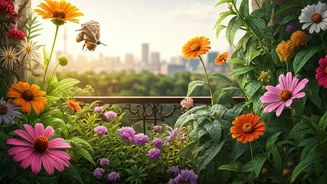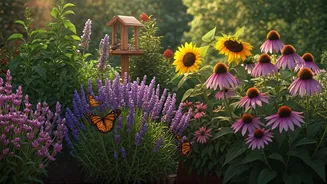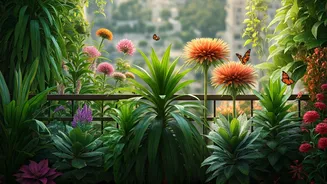



Why Choose Native Plants?
While exotic flowers can be beautiful, native Indian plants are the true heroes of a wildlife-friendly garden. They have evolved over millennia alongside our local birds and insects, creating a perfect ecological partnership. Native species are naturally
adapted to our climate, meaning they typically require less water, fewer pesticides, and less overall fuss than their foreign counterparts. By planting them, you are not just decorating your space; you are providing essential food and shelter for a local ecosystem under pressure from urbanisation. You are essentially rolling out a welcome mat for nature, offering a crucial pit stop for pollinators navigating the concrete jungle.
Five Native Plants to Start Your Balcony Oasis
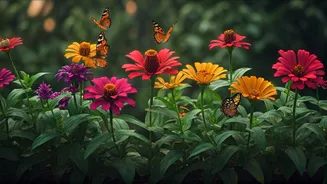
Getting started is easier than you think. These five plants are hardy, beautiful, and perfect for container gardening in most Indian climates. 1. **Marigold (Genda):** This cheerful, ubiquitous flower is more than just a festive decoration. Its bright orange and yellow blooms are a magnet for small butterflies and beneficial insects. They are incredibly easy to grow from seed and thrive in sunny spots. 2. **Jasmine (Mogra/Chameli):** The intoxicating fragrance of jasmine is a classic feature of Indian evenings. These climbers or bushes produce delicate white flowers that attract moths and other nocturnal pollinators. Sunbirds are also known to visit them for nectar. 3. **Hibiscus (Gudhal):** With its large, dramatic flowers, hibiscus is a visual showstopper. It is also a critical food source for sunbirds, which are perfectly adapted to drink nectar from its deep, bell-shaped blooms. They need plenty of sun to flower profusely. 4. **Butterfly Pea (Aparajita):** This fast-growing vine produces stunning, deep-blue flowers. As its name suggests, it is a favourite of many butterfly species. It’s a great choice for a railing or a small trellis and can handle partial shade. 5. **Curry Leaf (Kadi Patta):** More than just a kitchen staple, the curry leaf plant produces small, fragrant white flowers that are a huge hit with bees and other pollinators. Letting a part of your plant flower is a simple way to support local insect life.
Preparing Your Space for Life
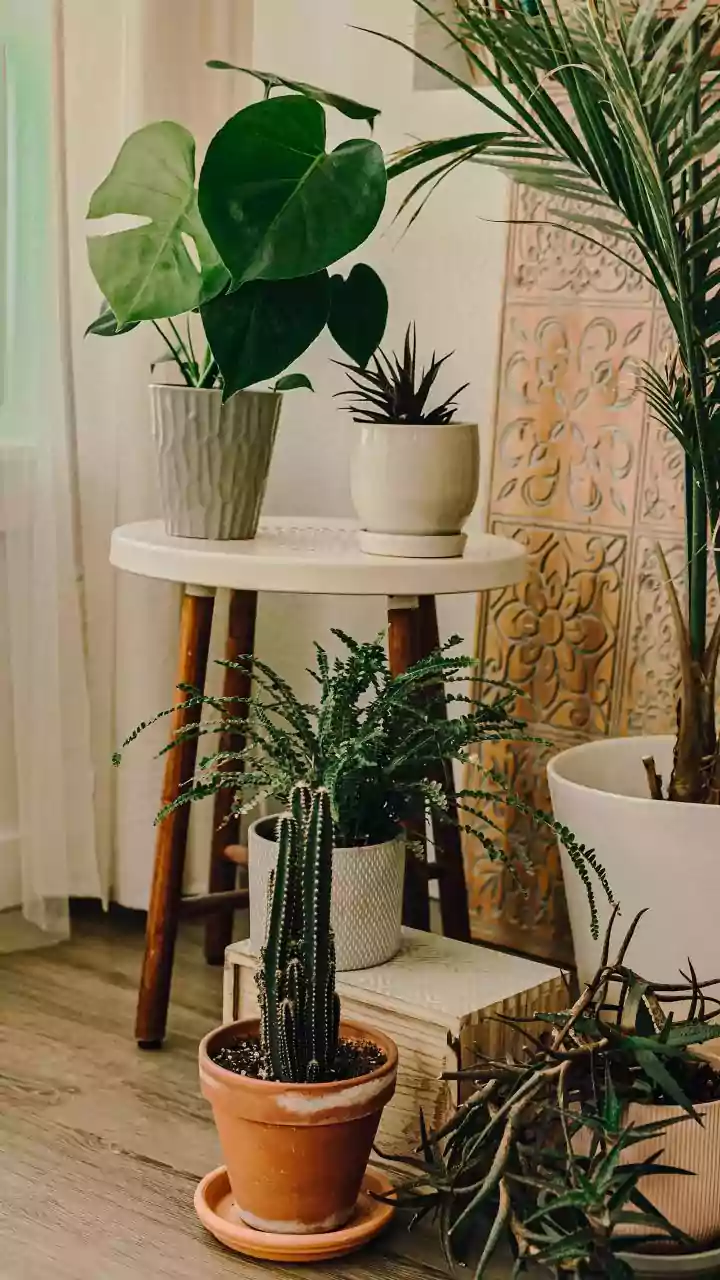
Success starts with a good foundation. Choose pots with adequate drainage holes to prevent waterlogging, which is a common reason for plant failure. A standard potting mix of soil, cocopeat, and compost in equal parts provides a good balance of drainage, water retention, and nutrition. Before you buy your plants, observe your balcony. Does it get harsh afternoon sun, or is it mostly shaded? Match your plants to the light conditions you have. A sun-lover like hibiscus will not thrive in a shady corner, while a plant like aparajita can tolerate less direct light.
The Wildlife You'll Welcome
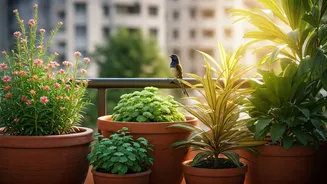
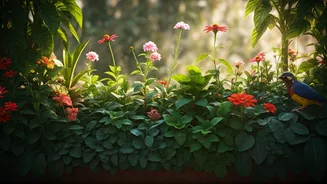
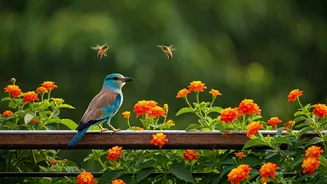
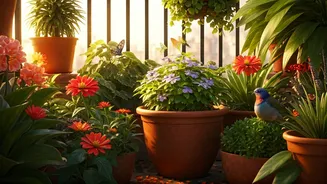
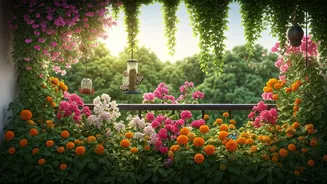
Once your plants are established, be patient. The magic happens gradually. First, you’ll notice the small visitors: tiny native bees, colourful butterflies, and hovering moths. Soon, the birds will follow. Sunbirds, with their iridescent feathers and curved beaks, will dart in to sip nectar from your hibiscus and jasmine. Sparrows and mynas might stop by to investigate, especially if you add a simple source of water. You are creating a 'nectar corridor'—a lifeline for these creatures. Managing expectations is key. You won't be hosting a flock of peacocks, but you will witness a delightful and constant stream of life that connects you directly to the natural world outside your window.
Beyond Plants: Create a True Habitat
To take your wildlife zone to the next level, think beyond just flowers. Add a shallow bowl (or 'thali') of fresh water. This simple addition will attract far more birds than flowers alone, giving them a place to drink and cool off, especially during hot summers. Ensure you clean and refill it daily to prevent mosquito breeding. Most importantly, commit to going pesticide-free. Chemical sprays are indiscriminate, killing the beneficial insects you’re trying to attract along with the pests. A healthy, balanced mini-ecosystem will naturally keep most pests in check.