








A Foundation Built on History
The story of Bollywood begins in Mumbai, or Bombay as it was then known. India's first film screening by the Lumiere Brothers happened here in 1896, and the country's first full-length feature film, 'Raja Harishchandra', was produced in the city in 1913.
The city's status as a bustling port, a financial hub, and a melting pot of cultures made it the natural epicentre for the nascent film industry. Its cosmopolitan nature meant it could create films for a wider Hindi-Urdu speaking audience, unlike the more regional focus of studios in Calcutta or Madras. This early concentration of talent and capital set the stage for a century of cinematic dominance.
The Unmatched Production Ecosystem
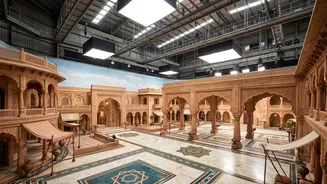
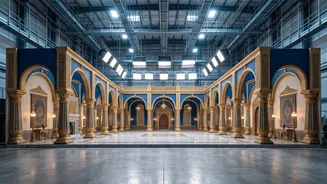
Mumbai's biggest advantage is its unparalleled infrastructure. The city is home to Dadasaheb Phalke Chitranagari, better known as Film City, a sprawling 520-acre complex in Goregaon established in 1977. With dozens of studios, ready-made sets for courts, prisons, and villages, and vast outdoor locations, it provides a one-stop shop for filmmakers. Beyond Film City, the metropolis boasts hundreds of other studios, post-production facilities, editing suites, and equipment suppliers. This dense ecosystem means every stage of filmmaking, from pre-production to visual effects, can be completed within the city limits. This concentration of resources continually attracts a nationwide influx of skilled professionals, feeding a self-sustaining cycle of creativity and commerce.
The City as a Character
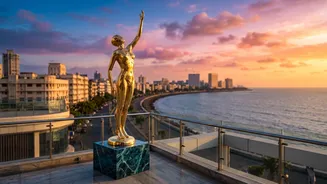
Mumbai is not just where films are made; it's what they are often about. The city's dramatic contrasts—gleaming skyscrapers next to sprawling slums, the chaos of local trains, the serenity of Marine Drive at dawn—provide a rich visual and narrative canvas. Directors have long used the city as a fifth character in their films. Movies like 'Satya' (1998) explored its gritty underworld, 'Wake Up Sid' (2009) captured its romantic, aspirational side, and 'The Lunchbox' (2013) showcased the quiet dignity of its everyday life. From the historic lanes of Kala Ghoda to the bustling markets of Mohammed Ali Road, Mumbai's distinct geography provides an authentic, ready-made set that is impossible to replicate.
The 'City of Dreams' Narrative
The very idea of Mumbai as the 'City of Dreams' is a powerful engine for Bollywood's storytelling. Countless films are built on the classic trope of an outsider arriving in the city to chase fame and fortune, mirroring the real-life journeys of many actors, directors, and technicians. This narrative of struggle, ambition, and survival resonates deeply with audiences across India. The city's geography becomes symbolic: the struggling artist lives in a modest chawl, while success is marked by a sea-facing apartment in Bandra or Juhu. This aspirational quality is central to Bollywood's mass appeal, and Mumbai provides the perfect stage for these dreams to play out, both on-screen and off.
Challenges and The Path Forward
Despite its dominance, Mumbai's position is not without challenges. The city's soaring real estate prices have led to the closure of iconic studios like RK Studios, which have been redeveloped into residential complexes. The logistical headaches of shooting in a congested city have also made other locations more attractive. In response, other states have begun offering incentives to lure filmmakers away. However, Maharashtra's government is fighting back with ambitious plans to invest ₹3,000 crore in upgrading Film City and building new facilities. As the industry evolves with the rise of OTT platforms and new technologies like AI, Mumbai is working to ensure it remains the undisputed heart of Indian entertainment.