

The Shared Ground: Movement as Medicine
At their core, both yoga and dance are powerful forms of physical activity that trigger a cascade of 'feel-good' chemicals in the brain. Any form of movement can stimulate the release of endorphins, the body’s natural mood elevators, leading to reduced
feelings of pain and increased pleasure. This physiological response helps combat symptoms of depression and anxiety. Furthermore, both practices help lower levels of cortisol, the hormone our bodies produce in response to stress. By engaging the body, we give the mind a much-needed break from the cycle of worry and racing thoughts, improving sleep patterns and overall mood. Whether through a flowing Vinyasa sequence or an energetic Bhangra routine, moving the body is a proven method for shifting mental states and promoting a sense of wellbeing.
Yoga: The Path of Introspection and Calm
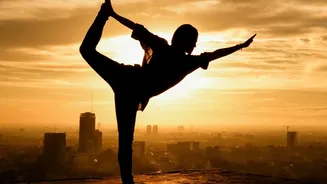
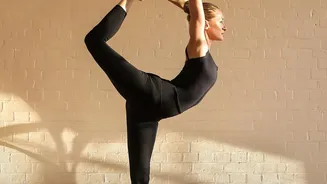
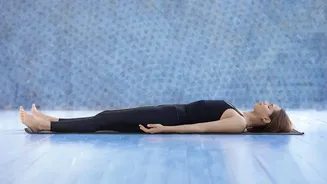
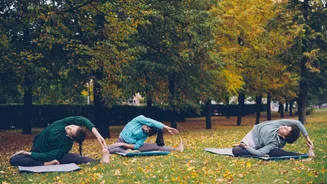
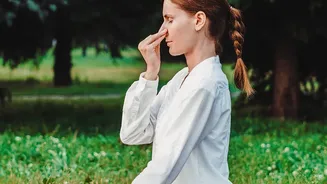
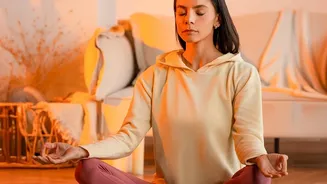
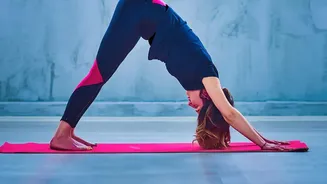
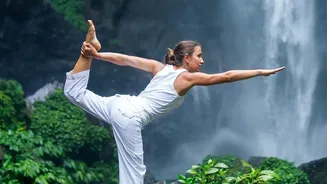
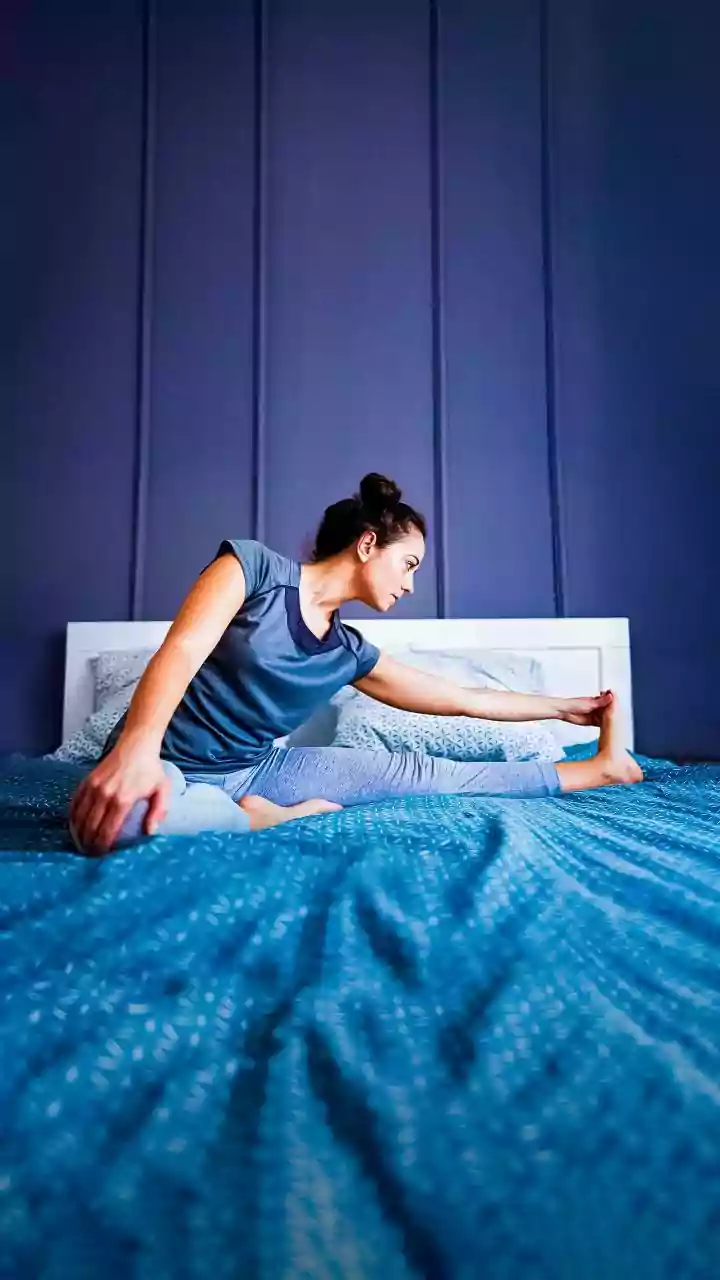
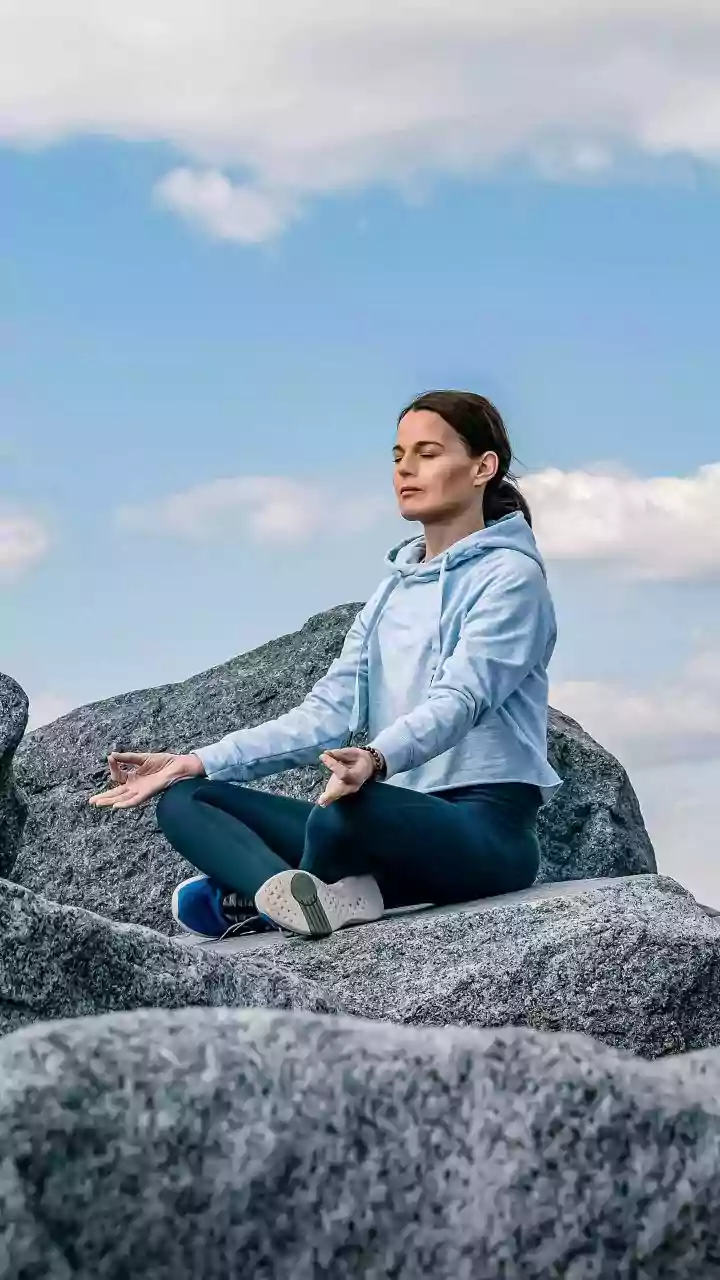
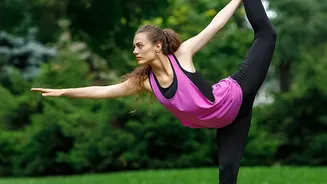
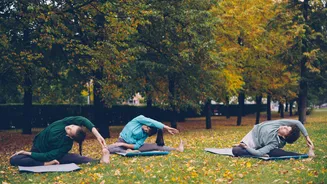
Yoga's primary strength in fostering mental wellbeing lies in its emphasis on mindfulness and the mind-body connection. The practice is a deliberate combination of physical postures (asanas), controlled breathing (pranayama), and meditation. This trio works to activate the parasympathetic nervous system, also known as the 'rest-and-digest' system. By intentionally slowing the breath and holding postures, yoga stimulates the vagus nerve, which sends calming signals throughout the body, lowering heart rate and promoting relaxation. Studies have shown that a regular yoga practice can be significantly more effective than standard stress-management education for conditions like generalized anxiety disorder. It also increases levels of the neurotransmitter GABA, which is linked to reduced anxiety. This makes yoga an excellent choice for those seeking to quiet a busy mind, cultivate present-moment awareness, and build resilience against chronic stress.
Dance: The Joy of Expression and Connection
Where yoga turns inward, dance explodes outward. Its power lies in its capacity for emotional expression and social connection. Dance, especially expressive or intuitive movement, offers a non-verbal outlet to process and release feelings that may be difficult to articulate. This can be incredibly therapeutic, allowing individuals to embody and move through emotions like joy, grief, or anger in a safe way. Beyond individual expression, dance is often a deeply social activity. Participating in a group class or social dancing fosters a sense of community and belonging, which is a vital component of mental health and a powerful antidote to loneliness. The synchronisation of movement with others to music has even been linked to the release of bonding chemicals in the brain. This makes dance ideal for those who feel energised by music and community, or who are looking for a joyful, cathartic way to boost their mood and confidence.
Structure vs. Spontaneity: Which Suits You?
Another key difference is the framework each practice provides. Yoga, from Hatha to Ashtanga, typically involves structured sequences and a focus on precise alignment. This can be comforting for individuals who thrive on order and clear guidance, providing a meditative focus that quiets external noise. The goal is often to achieve stillness, both physically in a pose and mentally. Dance, on the other hand, can range from the highly structured choreography of classical forms like Bharatanatyam to the complete spontaneity of 'conscious dance' or simply moving freely in your living room. This freedom encourages creativity and spontaneity, which can be liberating for those who feel constrained or need an escape. There is no right or wrong approach; the choice depends on whether you find more peace in predictable form or in uninhibited freedom.
How to Choose Your Practice
Ultimately, the best choice depends entirely on your personality and your mental wellness goals. There is no universal winner. Ask yourself what you need most right now. If your goal is to reduce chronic stress, calm anxiety through mindfulness, and build a stronger connection between your mind and body, yoga may be the more suitable path. Its focus on breath and introspection provides powerful tools for self-regulation. If, however, you are seeking an energetic mood boost, a way to express bottled-up emotions, and a fun way to connect with others, dance might be your answer. The community and expressive freedom of dance can be a potent source of joy and confidence. The good news is that you don't have to choose just one. Many people find that these practices complement each other beautifully, offering different benefits for different days.