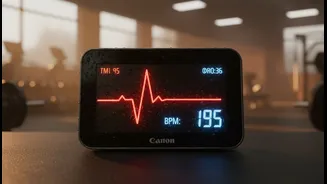









The Overheating Effect
When you run, your body generates a significant amount of heat. To cool down, it redirects blood flow to the skin, where heat can dissipate. In a poorly ventilated indoor gym, the ambient temperature rises as more people exercise. Your body has to work
even harder to shed this excess heat. This means your heart must pump more blood not only to your working muscles but also to your skin. This dual demand puts a significant strain on your cardiovascular system, causing what is known as 'cardiovascular drift'—a gradual increase in heart rate even when your running pace remains constant.
Humidity's Crippling Impact
Poor ventilation doesn't just trap heat; it traps moisture. Every person in the gym is sweating and exhaling water vapor, causing the relative humidity to skyrocket. Your body’s primary cooling mechanism is the evaporation of sweat. However, when the air is already saturated with moisture, sweat can't evaporate efficiently. Your body continues to produce sweat, but it just drips off without providing its cooling benefit, leading to useless water and electrolyte loss. This ineffective cooling forces your body temperature to climb, and in response, your heart has to beat even faster to try and manage the heat stress. This added strain makes workouts feel significantly harder and accelerates fatigue.
The Invisible Influence of CO2
In a crowded, stuffy room, you're not just inhaling oxygen; you're also re-inhaling carbon dioxide (CO2) exhaled by yourself and others. CO2 is the primary gas that regulates your drive to breathe. As CO2 levels in the room increase, the concentration in your blood also rises, lowering its pH. Chemoreceptors in your brain and arteries detect this change and trigger an immediate response: breathe faster and deeper to expel the excess CO2. This increased respiratory rate is directly linked to an increased heart rate, as your body works to circulate blood more rapidly to facilitate this gas exchange. Studies have shown that CO2 levels in some gyms can exceed thresholds associated with fatigue.
A Perfect Storm for Your Heart
These three factors—trapped heat, high humidity, and elevated carbon dioxide—combine to create a challenging environment for any runner. Your heart is forced into overdrive trying to perform three demanding jobs at once: supplying oxygen to your leg muscles, pumping blood to the skin for cooling, and circulating blood faster to clear out CO2. This triple threat means your cardiovascular system reaches its limit much sooner than it would in a well-ventilated space or outdoors. The result is a rapid, premature heart rate spike, a higher perceived effort, and a decline in performance. Your run feels harder because, physiologically, it is.
How to Run Smarter Indoors
While you can't always control the gym's environment, you can take steps to mitigate these effects. First, pay attention to your body. If your heart rate is unusually high or you feel dizzy, it's a clear signal to slow down or stop. Staying well-hydrated is crucial, as dehydration reduces blood volume and makes the heart work even harder. Try to work out during off-peak hours when the gym is less crowded, which can help with both heat and CO2 levels. If possible, choose a gym with a modern, effective HVAC system or one that incorporates open windows or fans for better air circulation. Acclimatizing over several sessions can also help your body adapt, but it's vital to increase intensity gradually.