



The Rise of the Digital Dabba
Scroll through Instagram Reels or YouTube Shorts, and you'll find them: everyday Indians armed with smartphones, sharing their grocery hauls, meal prep secrets, and budget-friendly recipes. These aren't celebrity chefs in gleaming studio kitchens. They
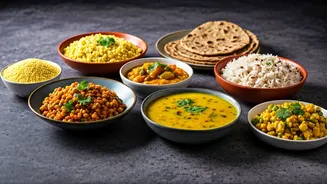
are students, working professionals, and homemakers who are tired of the narrative that 'healthy' means expensive quinoa and imported avocados. Instead, they are championing the humble dabba, filled with nutritious, affordable, and delicious home-cooked food. This viral wave is a direct response to rising inflation and a growing desire for authenticity, proving that true wellness can be found in our own pantries.
Reclaiming 'Healthy' for Ourselves
For too long, the wellness industry has marketed health as a luxury product. The viral budget-eating movement is a powerful act of reclamation. It argues that the healthiest foods are often the ones our grandparents ate: local, seasonal, and minimally processed. This trend is shifting the focus from expensive 'superfoods' to the nutritional powerhouses that have been staples of the Indian diet for centuries. Think millets, a diverse range of dals, seasonal gourds, and leafy greens. By celebrating these ingredients, creators are not just sharing recipes; they are rebuilding our confidence in traditional food wisdom and making healthy eating accessible to everyone, regardless of their budget.
Viral Strategy 1: Master Your Staples
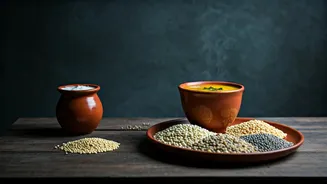
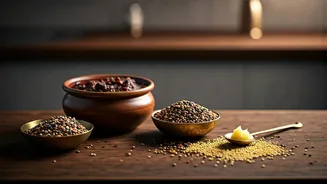
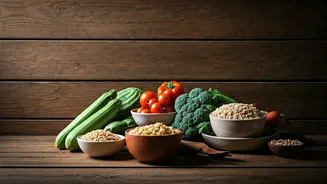
The foundation of this movement is a return to basics. The most popular content often revolves around maximizing the value of pantry staples. Lentils and legumes (dals, chana, rajma) are the undisputed stars, offering an unbeatable combination of protein, fibre, and affordability. Creators are sharing countless ways to use them beyond the classic dal tadka, incorporating them into salads, patties, and hearty soups. Similarly, millets like jowar, bajra, and ragi are making a huge comeback. They are not only cheaper than refined grains but also gluten-free and packed with nutrients. The viral tip? Buy them whole and use a local chakki to mill them for the freshest flour, or cook them whole as a substitute for rice.
Viral Strategy 2: Shop Like a Pro
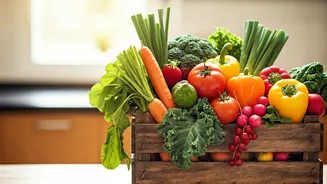
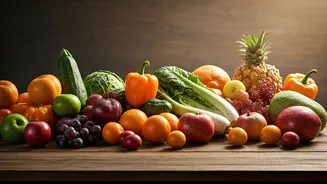
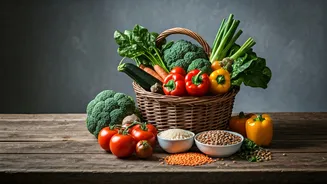
The second pillar of budget-healthy eating is smart shopping. The viral advice is unanimous: ditch the pristine supermarket aisles for the vibrant chaos of the local mandi or vegetable market. The key is to buy seasonal produce. When vegetables are in season, they are at their nutritional peak and their lowest price. These creators often post videos of their 'mandi hauls,' showing off a week's worth of fresh vegetables bought for a surprisingly low price. Another popular hack is to visit the market towards the end of the day, when vendors may offer discounts to clear their remaining stock. It’s about being flexible and cooking with what's available and affordable, rather than sticking to a rigid, import-heavy recipe.
Viral Strategy 3: The Zero-Waste Kitchen
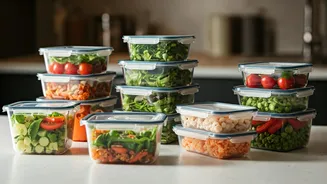
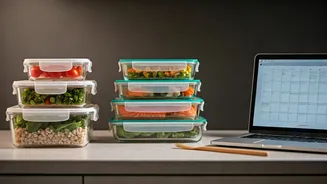
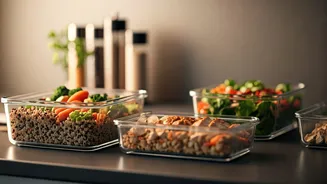
This trend is also deeply connected to sustainability and minimizing waste. A significant portion of food expenses comes from spoilage and discarded leftovers. The new digital food gurus are showing how to create a 'zero-waste kitchen.' This includes meal prepping on weekends to ensure every vegetable bought is used, a practice known as 'dabba prep.' It also involves creative use of scraps that are often thrown away. Think chutneys made from coriander stems, broth made from vegetable peels, or using leftover rice to make flavourful fried rice or vadas the next day. This mindset doesn't just save money; it fosters a deeper respect for food and the resources used to produce it.