

In Maharashtra, mornings often start not with a quiet cup of tea, but with a fiery, flavourful explosion in a bowl. Misal Pav, a beloved street food, is more than just breakfast; it's a cultural icon that wakes up the senses.
Deconstructing the 'Mixture'
The name 'misal' literally
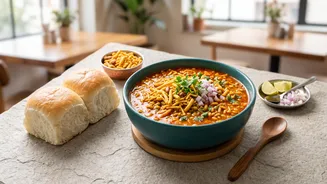
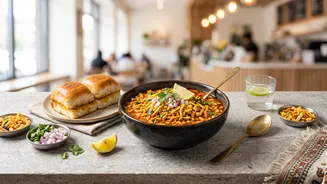
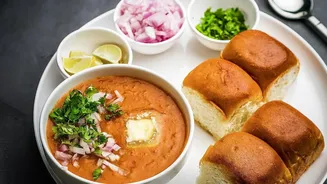
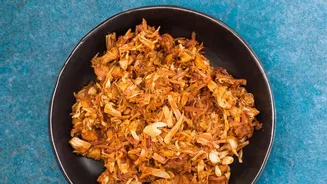
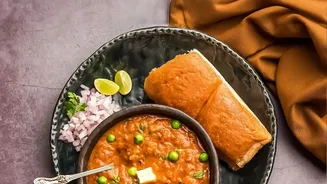
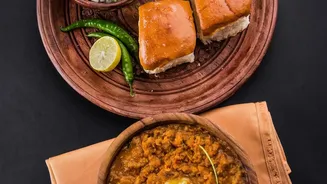
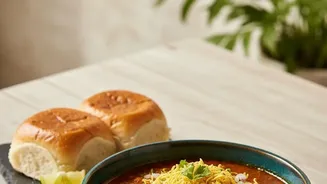
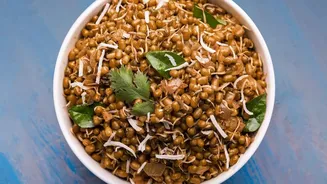
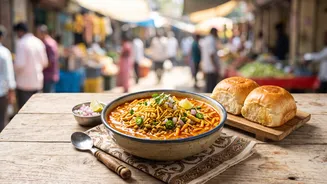
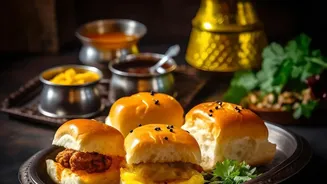
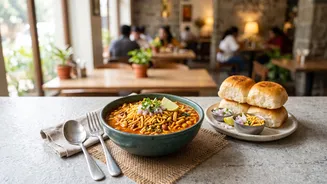
translates to 'mixture' in Marathi, and the dish is a testament to that name. It is an artful assembly of different components, each playing a crucial role. The base is 'usal', a hearty curry made from sprouted moth beans (matki). This is drenched in a thin, fiery gravy known as 'kat' or 'rassa', which holds the soul of the dish. This combination is then generously topped with 'farsan', a crunchy mix of fried savoury snacks, along with freshly chopped raw onions and a sprinkle of coriander. A wedge of lemon is served on the side, ready to add a zesty counterpoint to the spice. It's all scooped up with soft, pillowy pav bread rolls, making for a meal that is a symphony of textures—soft, crunchy, and soupy.
A Breakfast Built for a Working Day
While a spicy curry for breakfast might seem intense, the origins of Misal Pav are practical. The dish is believed to have become popular as a nutritious and affordable meal for mill and factory workers in cities like Kolhapur and Nashik in the early 20th century. The combination of protein-rich sprouts and carbohydrates from the pav provided sustained energy for a long day of labour. What began as a humble, functional meal for the working class soon captured the taste buds of everyone, evolving into a street food staple beloved across all social strata. Today, it’s a dish that unites students, office-goers, and families in bustling stalls and restaurants.
The Great Regional Misal Debate
Asking for the 'best' misal in Maharashtra can spark a passionate debate, as each region has its own proud version. Kolhapuri Misal is legendary for its uncompromising spice level, boasting a vibrant red 'kat' that is not for the faint of heart. It often uses a special kanda-lasun (onion-garlic) masala that gives it a unique, pungent kick. In contrast, Puneri Misal is typically milder, sometimes with a hint of sweetness or tanginess, and is often served with poha (flattened rice) mixed in or on the side. Then there's the Nashik-style misal, which might feature a 'kala masala' (black spice mix) and is often served with curd and papad, striking a balance between the fiery Kolhapuri and the subtler Puneri versions.
More Than a Meal, It's an Experience
Eating Misal Pav is an interactive experience. It’s not a pre-plated, static dish. You decide how much of the spicy 'kat' to pour over your 'usal'. You control the crunch by adding farsan just before you eat. You squeeze the lemon to cut through the richness and heat. This act of customising each bowl is part of its enduring appeal. It's a dish that invites conversation and friendly competition over who can handle the most spice. Found everywhere from humble street-side stalls to trendy modern cafes, Misal Pav transcends its street food origins to become a true cultural symbol of Maharashtra—bold, complex, and full of life.