






Decoding 'Basic' and 'Lite' Fares
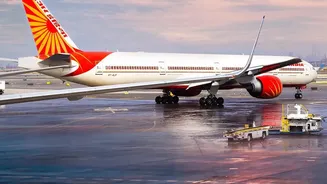
In the quest for the lowest possible price, many travellers click on the cheapest option available, often labelled 'Saver', 'Basic', or 'Lite'. These are airlines' most restrictive and unbundled fares. Recently in India, Air India began trialling a 'Basic' fare on some
domestic routes, which offers a lower price by excluding complimentary meals. While these fares come with a tempting price tag, they are designed for travellers with firm plans. They typically strip away perks like seat selection, complimentary meals, and, most importantly, flexibility. While you still get a standard baggage allowance—usually 15 kg for checked-in bags and 7 kg for cabin—the rules for changing or cancelling are extremely rigid. This is where the real cost can hide.
The Change Fee: Your First Hurdle
A change fee is a flat, administrative penalty an airline charges for the service of modifying your booking after it has been confirmed. Think of it as a service charge for the work involved in altering your reservation. For many years, these fees were a standard part of air travel. While some airlines, particularly in the US, have eliminated them for standard economy tickets, they often still apply to the most restrictive 'Basic' fare types. On a domestic flight in India, this fee can be a significant amount, sometimes making a change prohibitively expensive. Air India's fare structure, for example, shows that 'Classic' fares have a lower rescheduling fee than 'Value' fares, while 'Flex' fares may have no fee at all, highlighting how you pay more upfront for flexibility.
The Fare Difference: The Often Larger Cost
This is the part that trips up most travellers. Even if an airline advertises "no change fees," you are almost always responsible for paying the fare difference. The fare difference is the price gap between the flight you originally booked and the new flight you want to switch to. Let’s say you paid ₹5,000 for a 'Saver' ticket from Delhi to Mumbai booked a month in advance. Now, a week before your trip, you need to change to a flight on a different day. The price for a seat on that new flight is now ₹9,000. The fare difference is ₹4,000. You must pay this amount to secure your new seat, regardless of whether a separate change fee is also charged. Since last-minute flights are almost always more expensive, this cost can be substantial.
The Double Whammy: When Both Apply
With the most restrictive basic economy tickets, it's possible to be hit with both charges. An airline's policy might state that changing a 'Basic' ticket requires a ₹3,000 change fee plus any applicable fare difference. Using the previous example, if your new flight has a fare difference of ₹4,000, your total cost to change the ticket would be the ₹3,000 change fee plus the ₹4,000 fare difference, totalling ₹7,000. In many cases, this can be more than the cost of simply buying a new ticket. This is why it's critical to read the fare rules before you book the cheapest ticket, as the initial savings can evaporate the moment your plans become uncertain.
How to Be a Smarter Traveller
The key to avoiding these penalties is to make an informed choice at the time of booking. If there is any chance your plans might change, paying a little extra for a more flexible fare, like a 'Flexi' or 'Classic' option, can save you a lot of money and stress later. These fare families often come with lower (or zero) change fees and sometimes more generous terms. Before you confirm your purchase, always click on and read the 'Fare Rules' or 'Terms and Conditions'. Look specifically for the sections on 'Changes' and 'Cancellations'. They will outline exactly what fees apply to your chosen ticket type. If the jargon is confusing, remember this simple rule: the cheaper the ticket, the more restrictive it will be.