





Choose Your Containers Wisely
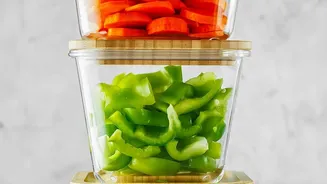
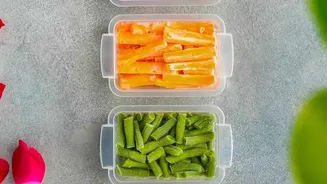
Moisture is the primary enemy during the monsoon, and it can easily seep into improperly sealed packages. This is the time to audit your storage solutions. Invest in high-quality, airtight containers. While plastics are common, glass jars with tight-fitting
lids are often superior as they are non-porous and easier to clean thoroughly. For dry goods like biscuits, tea, sugar, and salt, which are prone to clumping or going soggy, transferring them from their original packaging into these containers is non-negotiable. A secure seal is the first line of defence in locking in freshness and keeping dampness out.
Protect Your Spices from Clumping
Indian cooking relies on a vibrant array of spices, but humidity can rob them of their aroma and texture, leading to lumps and spoilage. A common mistake is storing masalas near the stove for convenience. The steam from cooking is a major culprit in ruining spices. Instead, designate a cool, dry cabinet away from direct heat and steam. Always use a completely dry spoon when scooping out spices. For whole spices, consider lightly dry-roasting them before storage to remove any latent moisture, which significantly extends their shelf life. For spice powders, buying smaller packs during the monsoon ensures you use them up before they have a chance to degrade.
Manage Vegetables and Greens with Care
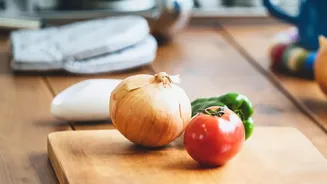
Fresh produce is particularly vulnerable during the rainy season. A crucial rule is to avoid washing most vegetables before storing them, as residual moisture accelerates decay. If they are wet from the market, gently pat them dry with a cloth before refrigeration. Leafy greens like spinach and coriander benefit from being wrapped in paper towels, which absorb excess moisture, before being placed in a perforated or cloth bag. Store root vegetables like onions, potatoes, and garlic in a cool, dry, and well-ventilated place—never in a sealed plastic bag and not always in the fridge.
Safeguard Grains, Flours, and Pulses
Grains and flours are magnets for moisture, which can lead to mould and insect infestations. Storing these items on elevated shelves or wooden planks is better than placing them directly on a cold floor, which can transmit dampness. An age-old Indian kitchen trick is to add natural repellents and moisture absorbers to storage containers. A few dried bay leaves or neem leaves in your rice or flour bins can act as a natural antifungal agent. Small cloth pouches filled with rock salt can also be placed in cupboards to help absorb ambient humidity.
Use Natural Dehumidifiers
You can actively combat the dampness in your pantry and cabinets without expensive gadgets. Simple, natural desiccants can be surprisingly effective. Placing bowls of rock salt, uncooked rice, or activated charcoal briquettes in damp corners of your kitchen or inside cupboards can help absorb excess moisture from the air. Some moisture-absorbing plants like peace lilies and Boston ferns can also help naturally regulate humidity, provided they are not overwatered. Using your kitchen's exhaust fan during and after cooking is also essential to vent steam and reduce overall humidity.
Conduct Regular Kitchen Audits
Vigilance is key. Make it a weekly habit to inspect your stored food items. Check for any signs of spoilage, mould, or pests, and discard anything that seems off. This prevents contamination from spreading to other foods. Wipe down shelves and containers regularly with a dry cloth to prevent the build-up of grime and moisture where mould can thrive. Remember to let hot food cool down completely before placing it in the refrigerator; trapping steam creates condensation and sogginess. A clean and well-organized pantry is less likely to fall prey to monsoon-related food issues.