







The New Priority: Risk Assessment
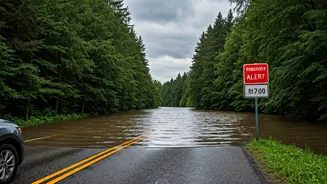
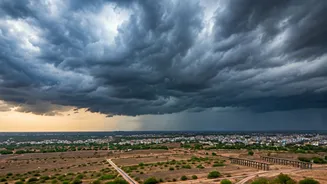
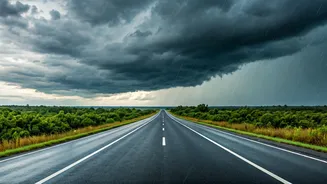
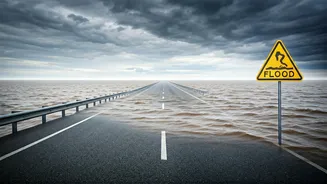
In recent years, the nature of monsoon-related damage has changed. It's not just about inconvenience; it's about significant financial and safety risks. Intense, short bursts of rain can overwhelm decades-old infrastructure, turning roads into rivers
and basements into swimming pools. Therefore, before you do anything else, your first step should be to think like a risk manager. This means identifying potential points of failure in and around your home and creating a plan to mitigate them. It’s a shift from reactive cleaning to proactive protection. This checklist guides you through the key risks you need to assess before the heavy downpours begin.
1. The Structural and Seepage Audit
Your home’s first line of defence is its structure. Before the monsoon, conduct a thorough visual inspection of your property. Look for cracks in exterior walls, the foundation, and especially on the roof and terrace. Pay close attention to areas where water might collect, like balconies and window sills. Small cracks can widen with persistent rain, leading to major leaks and seepage that can damage interiors and compromise the building's structural integrity. If you live in an apartment building, coordinate with your society’s managing committee to inspect the entire building, particularly the terrace waterproofing and external plaster. Catching a small crack now is far cheaper and safer than dealing with a major leak mid-monsoon.
2. The Electrical Safety Check
Water and electricity are a deadly combination. Monsoon is the peak season for short circuits and electrical accidents. Start by checking for any exposed wiring both inside and outside your home. Ensure that all outdoor electrical fittings, like gate lamps or balcony lights, are properly insulated and waterproofed. Have an electrician check your main distribution board (DB) and ensure the Earth Leakage Circuit Breaker (ELCB) or Residual Current Circuit Breaker (RCCB) is functioning correctly. These devices are designed to cut off the power supply instantly in case of a current leak, preventing electrocution. If your electricity meter is in a location prone to waterlogging, like a basement or ground floor, flag it with your power distribution company.
3. The Drainage and Water Flow Analysis
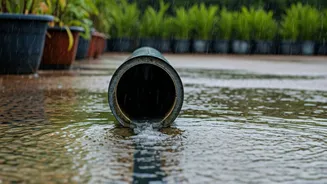
This goes beyond just cleaning your personal drains. Take a walk around your building and colony. Where does rainwater flow? Are the society’s main drainage outlets clear? Is there construction debris blocking the natural flow of water? In many urban flooding incidents, the primary cause is a choked exit point for a large residential area. If you have a basement, check if the sump pump is working and if the drainage outlet is clear. On your terrace, ensure the drainage pipes are not clogged with leaves or waste. Understanding the water's path helps you anticipate problem areas and take pre-emptive action, like using sandbags or temporary barriers for low-lying entrances.
4. The External Environment Scan
The danger isn't always from within your own four walls. Look around your property. Are there any old, precarious-looking trees or branches that could fall on your home or vehicle during a storm? Report them to your local municipal corporation’s garden department. Is there a construction site nearby? Unsecured materials like tin sheets or scaffolding can become dangerous projectiles in high winds. Also, check the condition of nearby billboards and mobile towers. While you can't fix these issues yourself, you can report them to the relevant authorities and be aware of the potential risks.
5. The Health and Emergency Kit Review
Monsoons bring a spike in waterborne and vector-borne diseases like dengue, malaria, and cholera. Your risk check must include health preparedness. Ensure your water purifier is serviced and working efficiently. If you rely on stored water, make sure the tanks are thoroughly cleaned and covered. Prevent water from stagnating in and around your home to stop mosquito breeding. Finally, update your emergency kit. It should include a first-aid box, essential medications, a powerful torch with extra batteries, a power bank for your phone, and a stock of non-perishable food and clean drinking water to last at least 72 hours.
6. The Insurance and Document Check
What happens if, despite all your efforts, your home or vehicle suffers damage? This is where your insurance comes in. Don't wait for a disaster to read your policy documents. Review your home and motor insurance policies now. Check if they cover damage from flooding, wall collapse, and storms. Many standard policies have exclusions. If you live in a high-risk area, consider adding a specific rider or add-on for flood damage. Take pictures of your home, electronics, and vehicle in their current state. This can be invaluable proof when filing a claim. Also, ensure your important documents—property papers, insurance policies, identification—are stored in a waterproof bag or scanned and saved to a secure cloud service.