







The New TCS Rules for 2026 Explained
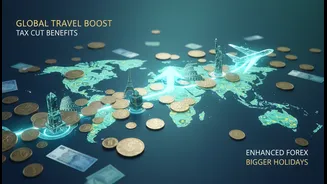
The phrase 'TCS cut' in the headline refers to significant relief introduced in the 2026 budget. Effective April 1, 2026, the threshold for TCS on most foreign remittances under the Liberalised Remittance Scheme (LRS) was increased from ₹7 lakh to ₹10
lakh. For general travel, spending via forex cards and debit cards falls under LRS. This means there is no TCS on spends up to ₹10 lakh in a financial year. Above this limit, a 20% TCS is applicable. However, it's crucial to remember that TCS is not an additional tax; it is an advance tax that you can claim back as a credit or refund when you file your income tax returns. International credit card spending while overseas is currently not counted under LRS, meaning no TCS is collected for now. For overseas tour packages, a flat 2% TCS is applied from the first rupee, a simplification from previous rules.
The Default Choice: Debit and Credit Cards
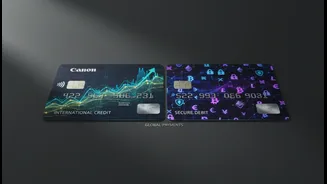
Using your domestic debit or credit card abroad is convenient, but often the most expensive option. Most Indian banks charge a foreign currency markup fee, typically ranging from 2.5% to 3.5% of the transaction value. This fee is levied on top of the exchange rate set by networks like Visa or Mastercard. For a ₹1,00,000 equivalent spend, this alone can cost you between ₹2,500 and ₹3,500, plus GST. Withdrawing cash from an international ATM using a debit card also incurs high fees—a flat charge of ₹100 to ₹500 per transaction, plus the markup fee. While credit cards offer rewards and purchase protection, the high markup fee can quickly erode those benefits. However, some premium credit cards now offer a zero forex markup feature, making them a much more attractive proposition for frequent travellers.
The Savvy Traveller's Pick: Forex Cards
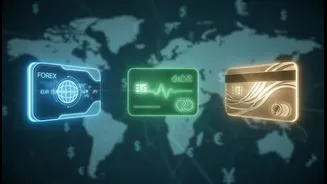
Forex cards are prepaid travel cards that you load with foreign currency before your trip. Their primary advantage is cost-effectiveness. The forex markup is either zero or significantly lower than on debit/credit cards, often under 2%. Furthermore, you lock in the exchange rate at the time of loading, protecting you from currency fluctuations during your trip. Many forex cards can be loaded with multiple currencies, which is ideal for multi-country trips. They are also secure; if lost or stolen, the card can be blocked and the balance is protected, unlike cash. Loading and reloading the card is now a simple online process for most providers. Remember, loading a forex card is a remittance under LRS, so the TCS rules apply here: no tax up to the ₹10 lakh limit, and 20% on the amount above that.
A Head-to-Head Cost Comparison
Let’s compare the cost of spending the equivalent of ₹1,00,000 on your trip, assuming it's within the annual ₹10 lakh LRS limit (so no TCS is applied). With a debit or credit card charging a 3.5% markup fee, your cost would be ₹1,00,000 + ₹3,500 (markup) + ₹630 (18% GST on markup) = ₹1,04,130. With a forex card that has a low 1% markup, your cost would be ₹1,00,000 + ₹1,000 (markup) + ₹180 (GST on markup) = ₹1,01,180. The savings are clear. If you use a zero-markup forex card or a special zero-markup credit card, your cost is simply the transaction amount, offering the most savings. On a larger spend of ₹5,00,000, the savings from using a forex card over a standard credit card could be over ₹15,000.
Beyond Costs: Convenience and Security
While forex cards are generally the cheapest, a hybrid approach is often best. Credit cards are invaluable for booking hotels or rental cars that require a security deposit and for earning rewards on large purchases. Debit cards offer a direct link to your bank account, which is useful for emergency cash withdrawals, though they should be used sparingly due to high fees. Forex cards provide excellent budget control since you can only spend what you’ve pre-loaded. Always inform your bank about your travel plans to prevent your cards from being blocked for security reasons. For maximum flexibility, carry a forex card for most daily expenses, a credit card for major bookings and emergencies, and a small amount of local cash for places that don't accept cards.