








The 'Helpful' Offer That Costs You More
You're at a shop in Paris, and the card machine asks if you want to pay in Euros or Indian Rupees. Choosing Rupees feels convenient because you see the exact cost instantly. This is called Dynamic Currency Conversion (DCC). But this convenience comes
at a steep price. The merchant's payment processor, not your bank, sets the exchange rate, which often includes a hefty markup of 3% to 8% over the real rate. The simple rule to save money is to ALWAYS choose to pay in the local currency of the country you are in. Let your own bank or card network handle the conversion; their rates are almost always more favourable than DCC rates.
Your Card's Forex Markup Fee
Even if you wisely avoid DCC, using your Indian credit or debit card abroad comes with a standard cost: the foreign currency markup fee. Most Indian banks charge a fee of 2.5% to 3.5% on every single international transaction. This fee isn't usually listed as a separate item on your statement; it's bundled into the converted Rupee amount you're billed. So, a dinner that costs the equivalent of ₹10,000 could actually set you back ₹10,350. Over an entire trip, these markups can add up to a significant amount, silently draining your travel budget. A few premium travel-focused credit cards waive this fee, but most standard cards include it.
The Triple Threat of ATM Withdrawals
Using your Indian debit card to withdraw cash from a foreign ATM can be particularly expensive, as you can be hit with three separate charges. First, your Indian bank will likely charge a flat international withdrawal fee, often between ₹125 to ₹200. Second, the local bank that owns the foreign ATM will charge its own operator fee, which can range from a few dollars to much more in some countries. Third, your bank will still apply its forex markup, typically around 3.5%, on the withdrawn amount. This combination means that a single cash withdrawal can cost you an effective rate of over 10% in fees. To minimize this, it's better to withdraw larger amounts less frequently rather than making multiple small withdrawals.
Forex Cards: A Smarter Alternative?
For many travellers, a prepaid forex card is a more cost-effective option. You load it with a specific foreign currency before you leave India, locking in the exchange rate at that moment. This protects you from currency fluctuations during your trip. When you spend, there are typically no additional forex markup fees, which is a major advantage over credit and debit cards. However, forex cards are not without their own fine print. Be aware of potential issuance fees, reloading charges, and inactivity fees if you don't use the card for a long period. While they are great for most spending, it's wise to carry a credit card as a backup for emergencies or for hotel security deposits.
UPI Goes Global (With Conditions)
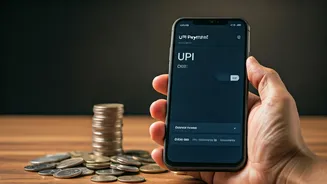
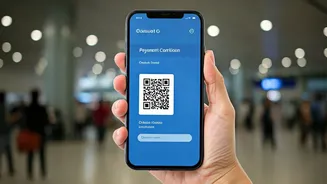
The convenience of UPI is now available in several countries, including Singapore, the UAE, and parts of Europe, allowing Indian tourists to scan a QR code and pay directly from their bank accounts. While this sounds as seamless as using it at home, international UPI transactions are not entirely free. The payment will still incur currency conversion charges and a forex markup from your bank, although this is often lower than the markup on credit cards. Furthermore, its acceptance can be patchy; it might work in a large mall but not at a local market. Before you travel, you must activate UPI for international use through your banking app. It's a great tool to have, but don't rely on it as your only payment method.