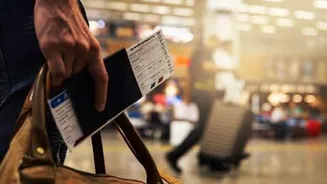







The Big News: Transit Visas Scrapped
In a move that simplifies European travel for thousands of Indians, Germany has officially removed the requirement for Indian nationals to hold an Airport Transit Visa (ATV) as of June 3, 2026. This change, which follows a similar decision by France,
means Indian passport holders no longer need to apply for a separate visa just to connect flights at a German airport like Frankfurt or Munich. The decision was announced following a state visit by German Chancellor Friedrich Merz to India in January 2026 and aims to strengthen ties and ease travel between the two nations. Previously, India was on a list of countries whose citizens needed an ATV even if they never left the international transit area of the airport. This new rule removes a significant layer of paperwork and cost for travellers heading to destinations in the Americas, the UK, or other non-Schengen countries.
Understanding the 'Airside Transit' Rule
The visa waiver is a major relief, but it comes with one crucial condition: it only applies to “airside” transit. This means you must remain within the international transit zone of the airport for the entire duration of your layover. You are not permitted to pass through immigration, enter Germany, or leave the airport. The rule is designed for seamless connections where you arrive from a non-Schengen country and depart for another non-Schengen country without formally entering German territory. This applies to major German airports with international transit facilities, including Frankfurt, Munich, and Berlin. It's important to understand that this waiver is strictly for transit and does not grant entry into Germany or the wider Schengen Area.
When You Might Still Need a Schengen Visa
Despite the new waiver, there are specific scenarios where a regular Schengen (Type C) visa is still mandatory. You will need to apply for a full Schengen visa before your trip if your travel itinerary involves any of the following: 1. Changing Terminals: If your connecting flight departs from a different terminal and you are required to exit the international transit zone and go through passport control, the ATV waiver does not apply. 2. Re-checking Baggage: If you have booked your flights on separate tickets or with a budget airline that requires you to collect your luggage and check it in again, you must enter the Schengen area. This requires a Schengen visa. 3. Transiting Through Two Schengen Airports: The waiver is for a single transit point in Germany. If your itinerary includes a layover in Germany followed by another layover in a different Schengen country (for example, Mumbai to Frankfurt to Paris to New York), you will be entering the Schengen zone in Frankfurt and will need a visa. 4. Overnight Layovers: Some smaller German airports, like Hamburg and Düsseldorf, have limited hours for their international transit areas. If your layover is overnight when the transit zone is closed, you would need to enter Germany and thus require a visa.
A Pre-Flight Checklist for Indian Travellers
Before you book that flight transiting through Germany, run through this simple checklist to ensure you are compliant with the new rules: Confirm Your Itinerary: Is it a single booking with one airline or partner airlines? Single-ticket bookings (under one PNR) are the safest bet for ensuring your baggage is checked through to your final destination. Verify the Transit Type: Check with your airline if your connection is an airside-only transit. Ask specifically if you need to change terminals or re-check bags. Check Your Destination: The rule applies when travelling from one non-Schengen country to another. If your final destination is within the Schengen Area, you will need a standard Schengen visa. Review Layover Times and Airports: For layovers at airports other than major hubs like Frankfurt and Munich, double-check that the international transit area will be open for the duration of your stay. * Consult the Airline: When in doubt, the airline is your best source of information. They have the final say on boarding requirements and will deny boarding if your documents are not in order.