







The Problem with a Quick Fix
Energy drinks promise wings, but they often deliver a turbulent ride. Packed with high levels of caffeine and refined sugar (or artificial sweeteners), they provide a powerful, immediate jolt. Your heart rate increases, you feel alert, and fatigue seems
to vanish. However, this surge is temporary. The body processes this refined sugar rapidly, leading to a sharp spike in blood glucose, followed by a dramatic crash. This crash leaves you more tired, irritable, and often craving another sugary fix, creating a vicious cycle of dependency. Furthermore, regular consumption can lead to sleep disturbances, anxiety, and other long-term health concerns.
Nature’s Superior Energy Source
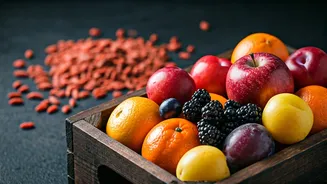
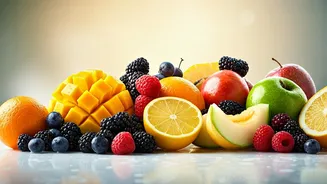
Fruits, on the other hand, are nature's perfectly engineered energy pods. The sugar in fruit, fructose, comes packaged with fibre, water, vitamins, and minerals. This fibre slows down the absorption of sugar into the bloodstream, preventing the drastic spikes and crashes associated with processed drinks. Instead of a frantic, short-lived burst, you get a steady, sustained release of energy. Plus, the vitamins and antioxidants in fruits help your body combat oxidative stress and cellular fatigue, contributing to better overall vitality. They hydrate you, nourish you, and energise you all at once.
Summer Powerhouse: Mango
When summer arrives, so does the king of fruits. Mangoes are not just delicious; they are a fantastic source of natural energy. They are rich in natural sugars like fructose and glucose, which provide a quick but stable energy lift. More importantly, they are packed with Vitamin C, which is crucial for synthesising carnitine, a molecule that helps transport fat into your cells' mitochondria to be burned for energy. A bowl of freshly cut mango is a far more satisfying and nourishing pick-me-up than any artificially flavoured drink.
Hydration Hero: Watermelon
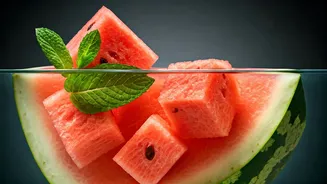
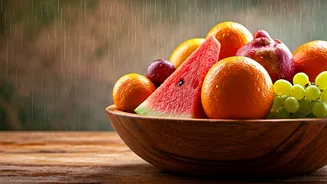
Dehydration is one of the biggest culprits behind fatigue. Before you assume you need caffeine, you might just need water. Watermelon is over 90% water, making it an excellent choice for rehydration. It’s also rich in electrolytes like potassium, which are essential for proper muscle and nerve function. The fruit contains L-citrulline, an amino acid that can help reduce muscle soreness and fight fatigue. A few juicy slices on a hot afternoon can replenish your fluids and your energy levels simultaneously.
Monsoon Marvel: Jamun
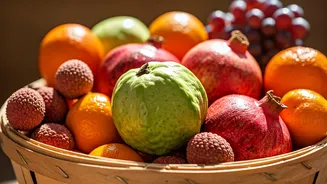
As the monsoon clouds gather, jamun (black plum) makes its welcome appearance. This deep purple fruit is a low-glycemic index food, meaning its sugars are released slowly into the bloodstream, providing a very stable source of energy. Jamuns are also a great source of iron, a mineral vital for producing haemoglobin, which carries oxygen from your lungs to the rest of your body. Low iron levels are a common cause of persistent fatigue. Including jamun in your diet can help bolster your iron stores and keep your energy consistent.
Winter Warrior: Oranges
The crisp air of winter brings with it citrus fruits, and oranges are a true energy superstar. Famously high in Vitamin C, they do more than just boost your immunity. Vitamin C is essential for reducing tiredness and fatigue, and it helps the body absorb iron more effectively. The bright scent of an orange alone can have an invigorating effect on your mood. The combination of natural sugars, water, and essential vitamins makes a fresh orange or a glass of its juice (with pulp for fibre!) an ideal way to beat the winter lethargy.
How to Make the Switch
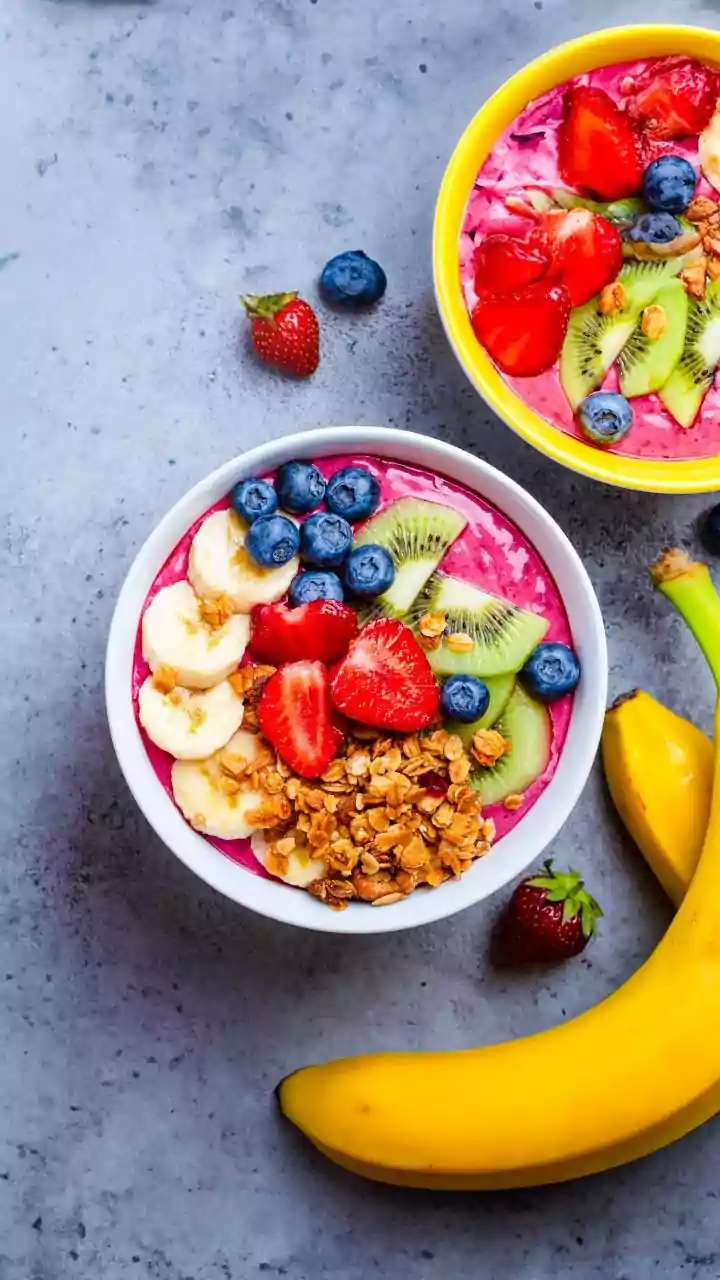
Replacing a habit isn’t easy, but starting small can lead to big changes. Instead of going cold turkey, try replacing one energy drink a day with a piece of fruit. Keep washed and cut fruit readily available in your fridge for an easy snack. Prepare a fruit smoothie in the morning to start your day with natural energy. When you feel a slump coming on, reach for a banana or an apple instead of the vending machine. Your body will thank you for the upgrade.