

Choosing Your Teas
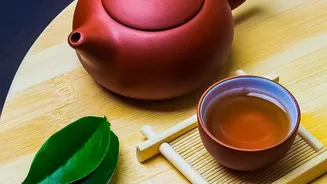
The heart of your tasting is the tea itself. Aim to select three to five different types to offer variety without overwhelming your guests' palates. A great way to structure your tasting is to present a flight that moves from light to bold. Consider a lineup
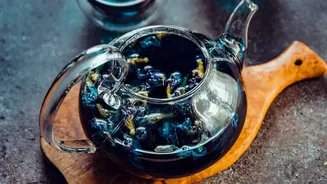
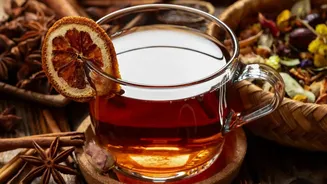
featuring a delicate white tea, a fresh green tea, a complex oolong, and a robust black tea. You could also build your tasting around a theme, such as teas from a specific country like India or Japan, or a flavour profile like 'floral' or 'smoky' teas. This gives your event a fun, educational focus. Including a caffeine-free herbal tea, or tisane, is also a thoughtful touch for those who prefer it.
The Art of Brewing
How you brew your tea is crucial for bringing out its best flavour. Different teas require different water temperatures and steeping times. Using water that's too hot can scorch delicate leaves and create a bitter taste. A general rule is that the less oxidized a tea is, the cooler the water should be. For white and green teas, use water that is well below boiling (around 70-85°C). Oolongs do best with water around 85-96°C, while robust black and herbal teas can handle a full boil (100°C). You don't need a special thermometer; simply letting boiled water sit for a few minutes will cool it down. Steep one tea at a time so everyone can enjoy it fresh, and be sure to use good quality, filtered water for the cleanest taste.
Setting the Scene
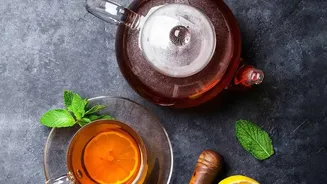
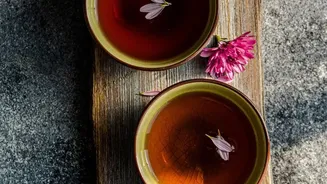
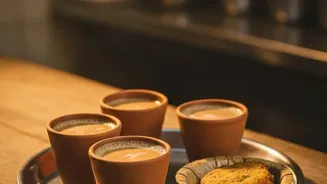
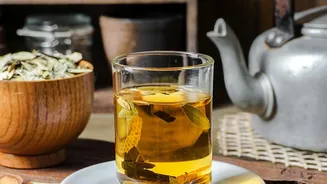
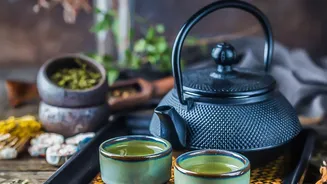
Creating a relaxing atmosphere is key. You don't need elaborate decorations; soft music and a comfortable space are enough. When it comes to teaware, white or clear cups are ideal as they allow guests to appreciate the unique colour of each brew, which is part of the experience. Make sure you have enough small cups for each guest and each tea, or a plan to rinse cups between tastings. Providing note cards and pens is a great idea, allowing guests to jot down their thoughts on the aroma and flavour of each tea. It makes the experience more interactive and memorable.
Guiding the Tasting Experience
Structure the tasting to move from the lightest tea to the boldest. This typically means starting with white tea, followed by green, oolong, and then black tea. Before brewing, let your guests see and smell the dry leaves. Once brewed, encourage everyone to first observe the tea's colour and aroma before taking a sip. Professional tasters often use a 'slurp' to aerate the tea and spread it across their palate, which can reveal more nuanced flavours. The most important part is to encourage discussion. There are no right or wrong answers; it’s fascinating to hear what different people sense in the same cup.
Perfect Food Pairings
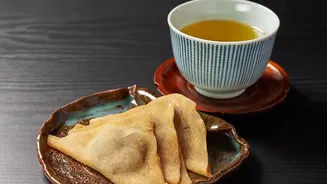
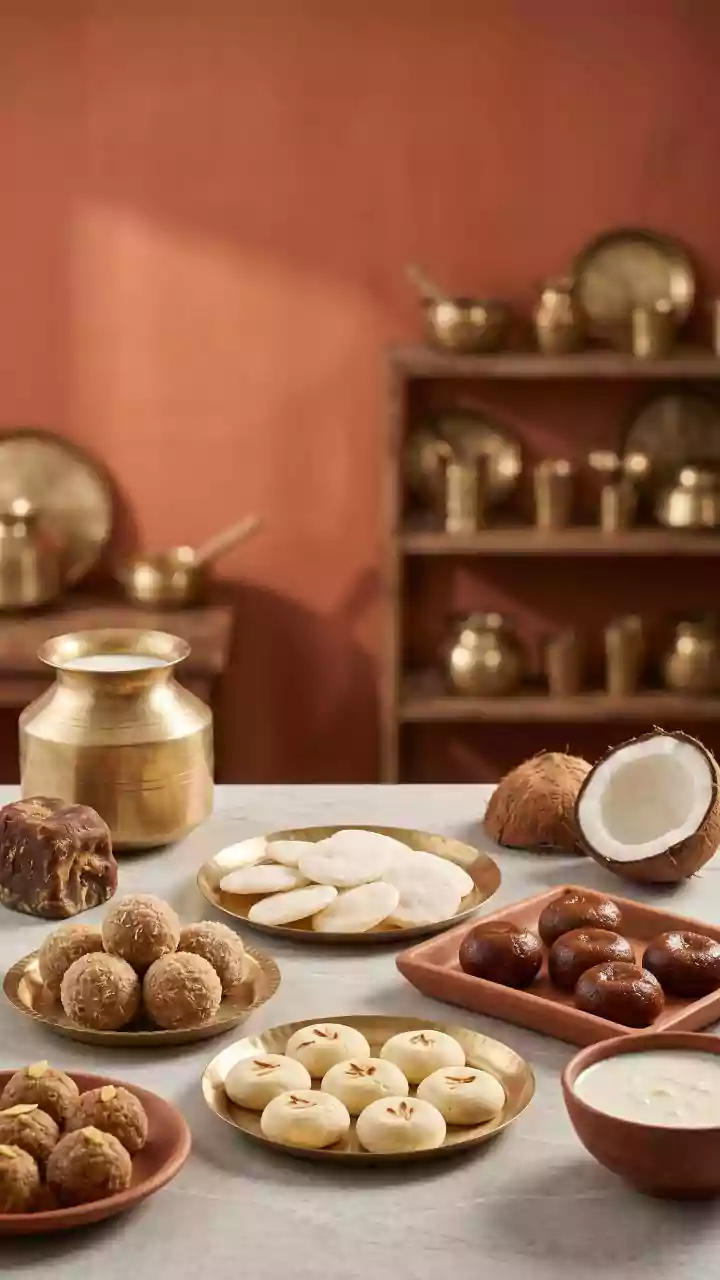
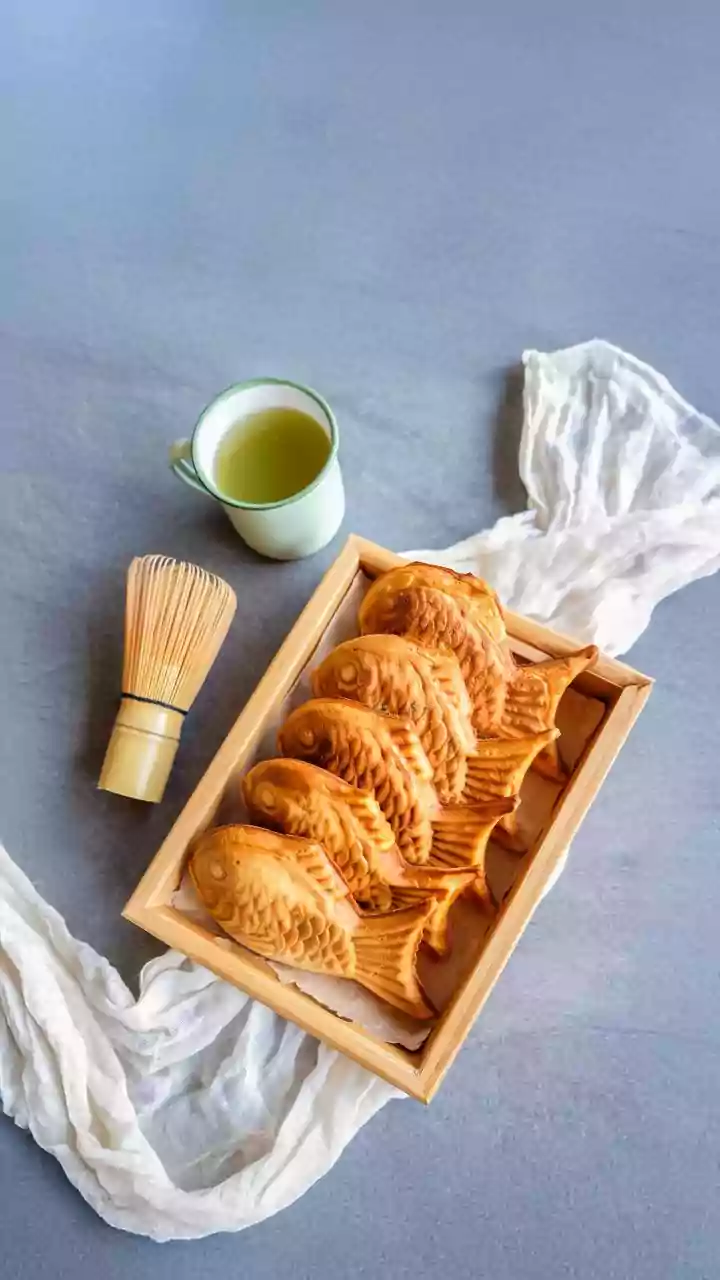
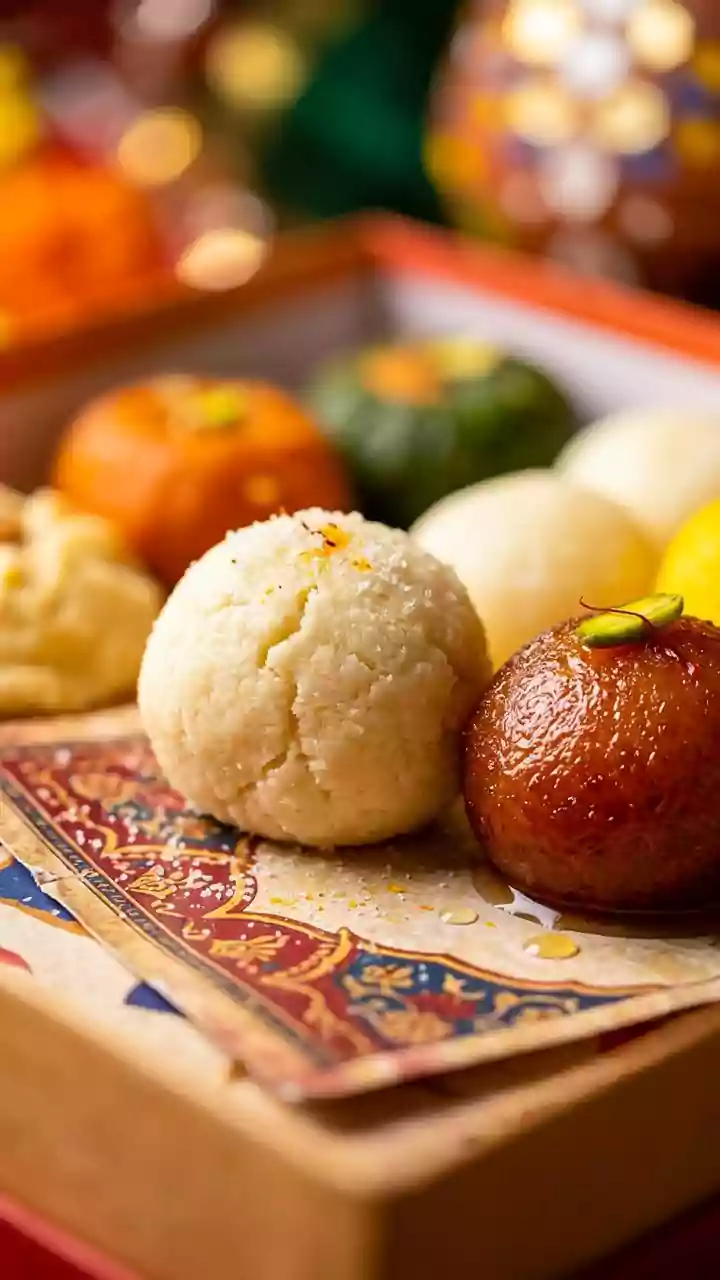
While the tea is the star, light snacks can enhance the experience. The key is to choose foods that complement, rather than overpower, the delicate flavours of the tea. Neutral palate cleansers like plain crackers or cucumber slices are essential to have between tastings. For pairings, think light. Delicate white teas pair well with fresh fruit, while green teas are excellent with seafood or salads. Bolder black teas can stand up to richer foods like chocolate desserts or savoury cheese scones. Herbal teas with fruity or floral notes often go well with citrusy desserts. The goal is to create harmony between the food and the drink.