



What Are Sub-Irrigated Systems?
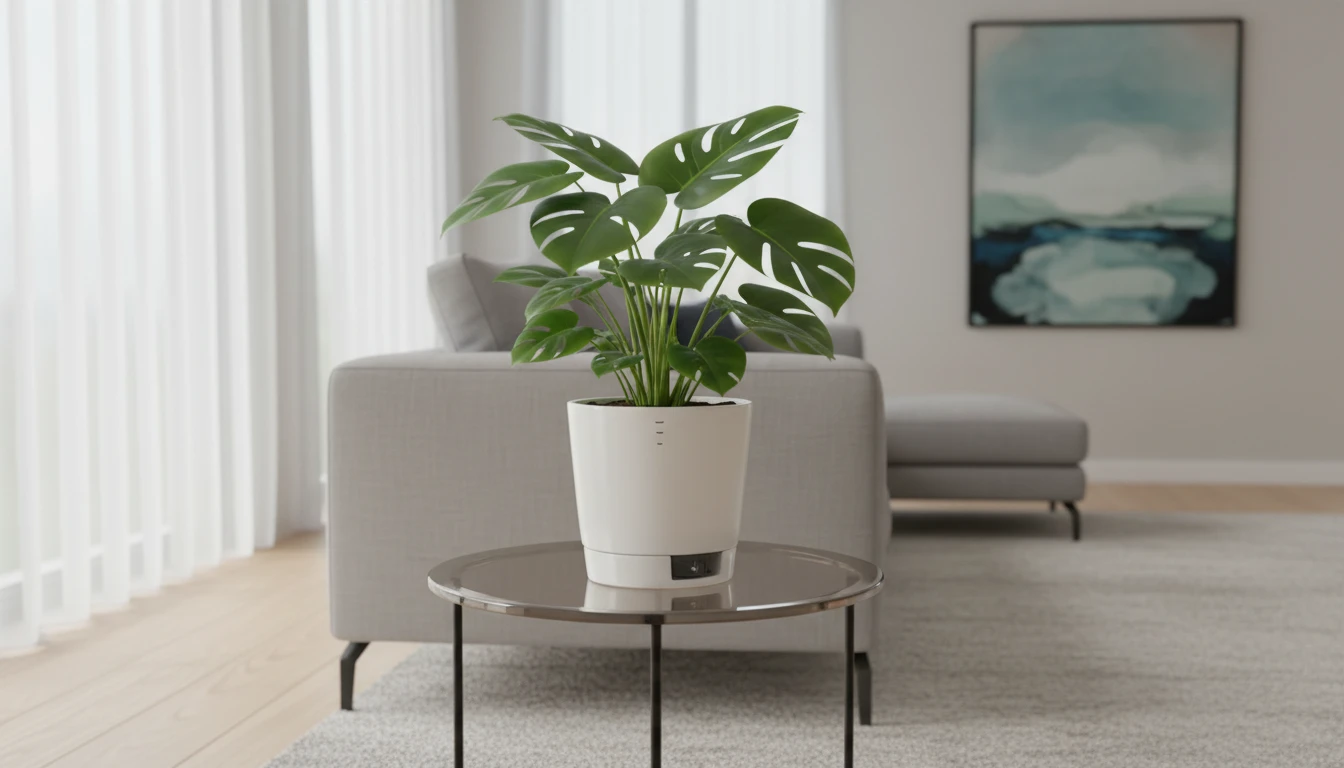
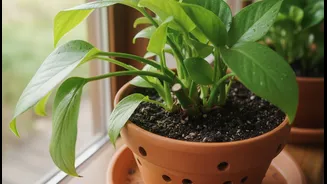
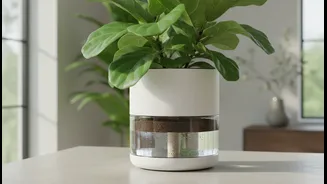
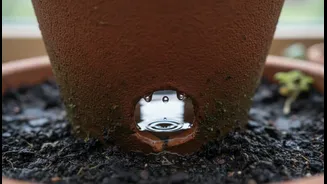
A sub-irrigated planter (SIP), often called a self-watering pot, is a container with a built-in water reservoir at the bottom. Instead of watering from the top, you fill this reservoir through a dedicated pipe or opening. The soil then draws water up
from this reservoir as needed, keeping the roots consistently moist without your daily intervention. This method mimics how plants in nature receive moisture from the water table deep in the ground, providing a more stable and efficient way to hydrate your indoor garden.
The Simple Science of Capillary Action
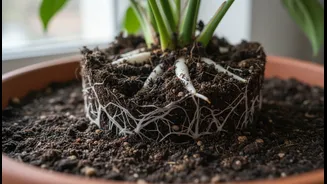
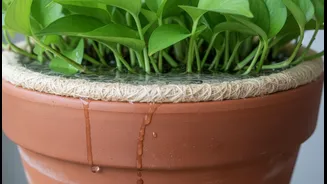
The magic behind these pots is a natural process called capillary action. Think of how a paper towel absorbs a spill; the liquid seems to climb up the fibres against gravity. In a self-watering pot, a wicking system—often a piece of porous cord, fabric, or even a column of soil—connects the water reservoir to the main soil body. This wick draws water upward into the soil, delivering it directly to the plant's root zone. The plant then absorbs only as much moisture as it needs, which dramatically reduces the risks of both overwatering and underwatering.
Big Benefits for Plants and People
The primary benefit for plant owners is freedom. You may only need to refill the reservoir once every week or two, depending on the plant and pot size, making it perfect for busy schedules or vacations. For the plants, the advantages are even greater. Consistent moisture reduces stress, leading to healthier growth and more vibrant foliage. Because the water is delivered from below, it encourages stronger, deeper root development. Furthermore, keeping the top layer of soil drier can help prevent common issues like fungus gnats and leaf diseases that thrive in damp surface conditions.
Choosing the Right Plants
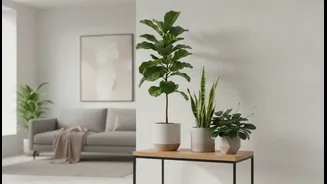
While effective, sub-irrigation isn't for every plant. It works best for species that thrive in consistently moist soil. Tropical houseplants that love humidity are ideal candidates. Think of Peace Lilies, Pothos, Spider Plants, Ferns, and Calatheas. Many common herbs like basil, mint, and parsley also flourish in these systems. However, you should avoid using these pots for plants that require their soil to dry out completely between waterings, such as succulents, cacti, snake plants, and ZZ plants. The constant moisture would quickly lead to root rot for these drought-tolerant species.
How to Get Started
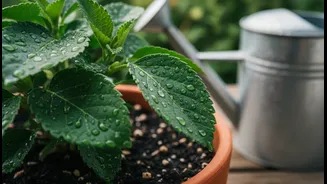
Setting up your first sub-irrigated pot is easy. Start with a high-quality pot that has a clear water-level indicator to prevent overfilling. Use a light, well-aerated potting mix; dense garden soil won't wick water effectively. When you first pot your plant, you'll need to water it from the top for the first couple of weeks. This helps the roots grow downward and establish a connection with the wicking system. After that initial period, you can switch to filling the reservoir exclusively. Let the reservoir go completely dry for a day or two before refilling to ensure the soil gets a chance to aerate.
Common Mistakes to Avoid
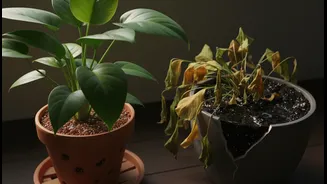
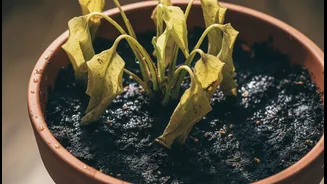
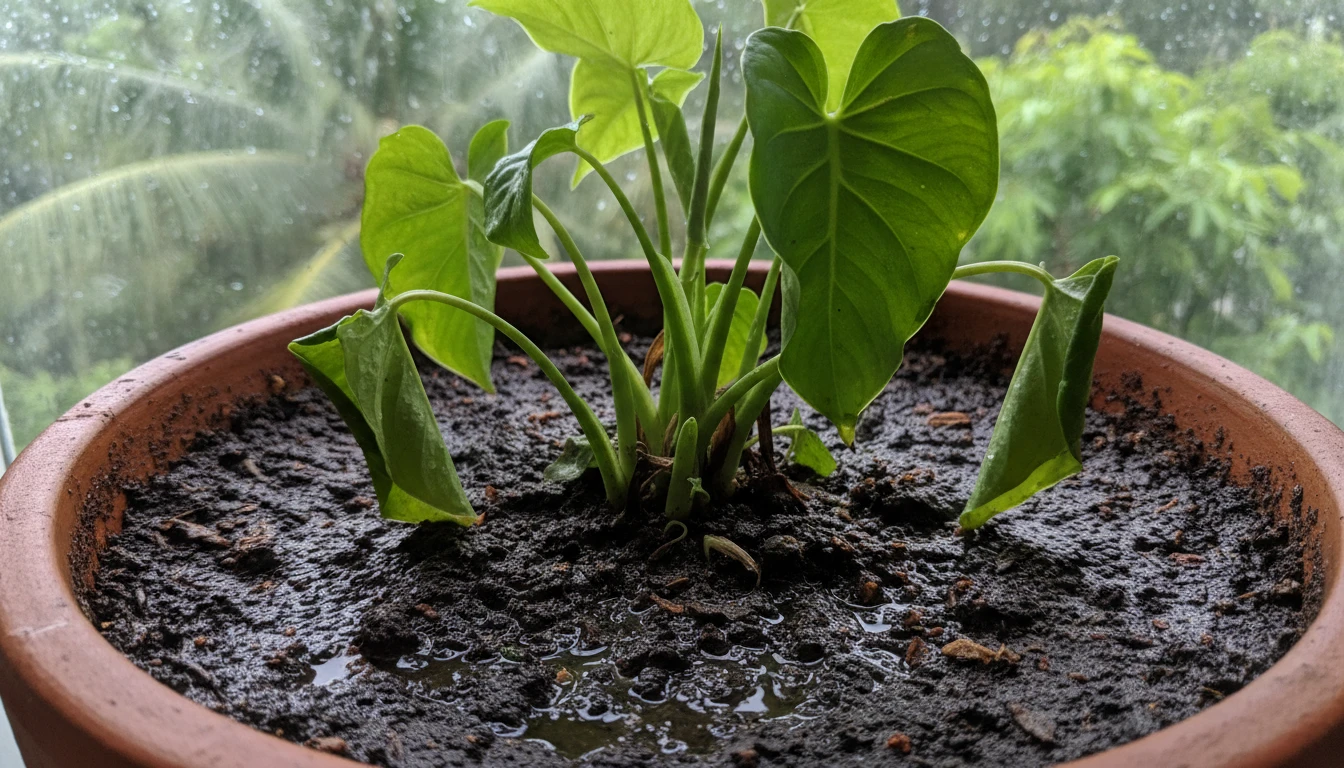
The most common error is using the wrong soil. Heavy, dense soil can become waterlogged and suffocate the roots. Always opt for a lighter potting mix, perhaps with added perlite or vermiculite for better aeration. Another mistake is keeping the reservoir topped up constantly. Most plants benefit from a brief period where the reservoir is empty, allowing air to get to the roots. Finally, remember that 'self-watering' doesn't mean 'no-maintenance'. You still need to monitor your plant for signs of distress and refill the reservoir as needed, typically every 7 to 14 days.