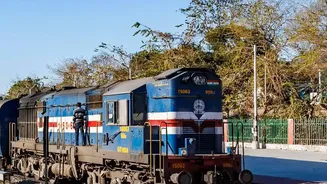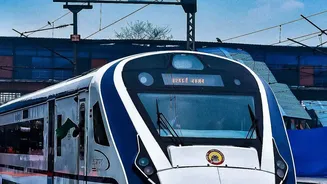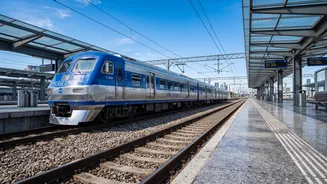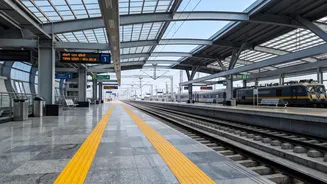




The annual Diwali travel rush is a monumental challenge for Indian Railways, as millions journey home. Managing the unreserved queues, in particular, requires a complex, multi-layered strategy to ensure safety and order amid the chaos.
The Scale of the Festive Surge
Every year, the
festive season surrounding Diwali and Chhath Puja triggers one of the largest short-term migrations in India. Major cities see a mass exodus as people travel to their hometowns and villages. For Indian Railways, this translates into an unprecedented surge in passenger numbers, especially in unreserved general class compartments, which are often the only option for last-minute travellers. Stations like those in Delhi, Mumbai, Ahmedabad, and Surat become seas of humanity, placing immense pressure on infrastructure and personnel. This predictable, yet enormous, rush necessitates a meticulously planned operation to prevent stampedes, manage queues, and ensure trains can operate safely and efficiently.
A Multi-pronged Approach to Crowd Control
Indian Railways, in coordination with the Government Railway Police (GRP) and Railway Protection Force (RPF), doesn't rely on a single solution. Instead, it deploys a comprehensive strategy that begins weeks in advance. This includes advance planning meetings to coordinate between different security and commercial departments. The core idea is to regulate the flow of people, from the moment they approach the station until they board their train. This involves a combination of increasing capacity, managing passengers before they reach platforms, deploying technology, and having a significant security presence on the ground.
Boosting Capacity with Special Trains
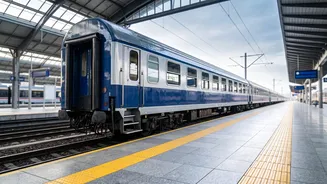
The most direct way to handle excess demand is to increase supply. Indian Railways announces thousands of special train trips across its network specifically for the festive period. For the 2026 Diwali season, for instance, Northern Railway alone planned over 6,200 special trips, a significant increase from previous years. These services are concentrated on high-demand routes, particularly those connecting major urban centres to towns in Uttar Pradesh, Bihar, and West Bengal. By adding both reserved and unreserved special services, the railways aim to absorb a substantial portion of the extra footfall, reducing the desperation that can lead to dangerous overcrowding on regular trains.
Holding Areas: The First Line of Defence
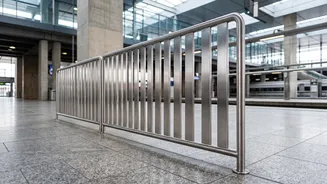
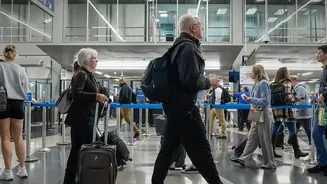
A key innovation in recent years is the widespread use of dedicated passenger holding areas, sometimes called 'Yatri Suvidha Kendras'. These are large, barricaded enclosures or temporary structures set up outside the main station building. Unreserved passengers are directed into these zones to wait in organised queues instead of crowding the platforms. These areas are equipped with basic amenities like seating, fans, drinking water, toilets, and importantly, ticketing counters. Passengers are only allowed to proceed to the platform in batches when their train is ready for boarding, a system that prevents platforms from becoming dangerously congested. Stations like Udhna in Gujarat and Anand Vihar in Delhi have implemented large-scale holding facilities to manage the migrant rush.
On_the_Ground Management and Security
A visible and coordinated security presence is crucial. The Railway Protection Force (RPF) and GRP deploy additional personnel at major stations during the festive season. These officers manage the queues, guide passengers, and monitor footstover bridges and platforms, which are high risk areas for congestion. They use walkie talkies and public announcement systems to coordinate and communicate with the crowds. Furthermore, the entire station is monitored through a dense network of CCTV cameras with control rooms keeping a 24/7 vigil to spot potential bottlenecks or safety issues before they escalate. Some zones even use drone surveillance to monitor crowds in the areas surrounding the station.
Streamlining Unreserved Ticketing
Long queues at ticket counters are a major cause of chaos. To combat this, Indian Railways has been heavily promoting its Unreserved Ticketing System (UTS) mobile app. The app allows passengers to book unreserved tickets digitally bypassing the need to stand in line. To further encourage its use railway staff are sometimes deployed wearing jackets with QR codes that passengers can scan to quickly access the app and buy a ticket. In addition to the app extra temporary ticket counters are often opened in the holding areas and other parts of the station to distribute the load and speed up the process.