




The Sheer Scale of the Wild
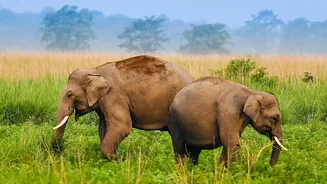
First, it’s essential to grasp the sheer size of Kaziranga National Park. Spanning over 430 square kilometres of core area, it's a vast mosaic of tall elephant grass, dense forests, wetlands, and riverine habitats shaped by the mighty Brahmaputra River.
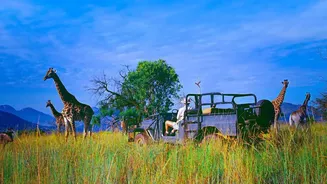
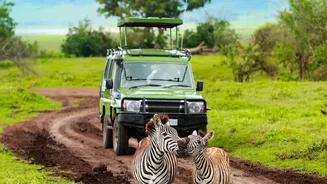
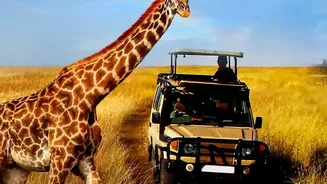
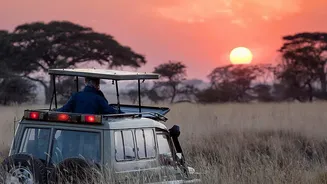
Animals have an immense and complex territory to roam freely. A safari jeep covers only a fraction of this wilderness along designated routes. The park isn't a zoo; the animals aren't confined to small enclosures for easy viewing. They move, hide, and live according to ancient instincts across this enormous landscape, making every sighting a special occurrence.
It's All About Animal Behaviour
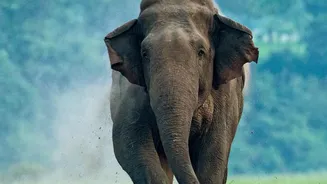
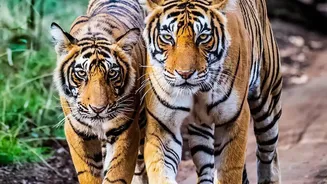
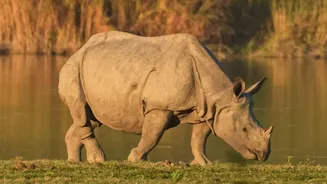
Wildlife sightings are dictated entirely by the animals themselves. Their primary activities are foraging for food, resting, and avoiding predators. Most animals, including the famous rhinoceros, are most active in the cool hours of the early morning and late afternoon. During the midday heat, they often retreat into the dense, tall grasslands or forests to rest, making them nearly impossible to spot. Tigers, despite Kaziranga having one of the world's highest tiger densities, are famously elusive and solitary. They are masters of camouflage, and spotting one often comes down to sheer luck and being in the right place at the exact right moment. Furthermore, human presence, even from a distance, can alter animal behaviour, causing them to become more alert or move away.
The Crucial Role of Seasons and Weather
The time of year you visit dramatically impacts visibility. Kaziranga is open to tourists from November to April, as it remains closed during the monsoon season (May to October) due to widespread flooding. In the early winter months (November to January), the weather is pleasant, but morning mist can sometimes reduce visibility. As the season progresses into spring (March and April), the tall elephant grass starts to dry out and becomes shorter, and controlled burning is sometimes practised, improving sightlines. During this hotter period, animals also tend to congregate more around the park's water bodies, or 'beels', increasing the chances of seeing them.
Not All Safari Zones Are Equal
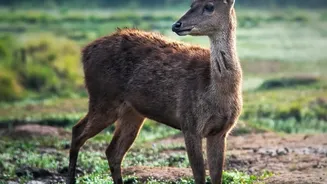
Kaziranga is divided into four main safari zones, each offering a different experience: the Central Range (Kohora), Western Range (Bagori), Eastern Range (Agaratoli), and the Burapahar Range. The Central and Western ranges are the most popular, known for their open grasslands and high density of one-horned rhinos, wild water buffalo, and swamp deer. The Eastern range is a paradise for birdwatchers, with its vast wetlands attracting thousands of migratory birds, and it's the only zone offering a boat safari. The Burapahar range is hillier and more forested, offering a chance to see Hoolock Gibbons but generally fewer large mammal sightings. Choosing your zone based on your interest can improve your chances, but no zone offers guaranteed sightings.
The Human Element: Guides, Patience, and Luck
While you can't control nature, a few human factors can tilt the odds in your favour. An experienced safari guide is invaluable. Their knowledge of animal behaviour, tracking skills, and understanding of the terrain can turn a quiet drive into a successful one. They interpret subtle signs—like pug marks or alarm calls from deer—that might indicate a predator is near. Equally important is your own patience. Wildlife observation is a waiting game. Finally, there's an undeniable element of luck. Sometimes, despite the best guide and perfect conditions, the animals simply choose to remain hidden. For this reason, experts recommend booking at least two or three safaris across different times and zones to maximize your opportunities.