

Heme vs. Non-Heme: Understanding Iron
Iron is a vital mineral that helps transport oxygen throughout your body, keeping you energised and focused. Dietary iron comes in two forms: heme and non-heme. Heme iron is found in animal products like meat, poultry, and fish. It is easily absorbed
by the body. Non-heme iron, on the other hand, comes from plant sources such as leafy greens, lentils, beans, and grains. While abundant in a vegetarian diet, non-heme iron is less bioavailable, meaning your body has a harder time absorbing it. In fact, studies show its absorption efficiency can be as low as 2%, compared to up to 35% for heme iron. This is a key reason why iron deficiency is a widespread nutritional challenge in India, where many diets are predominantly plant-based.
The Vitamin C Connection: Your Absorption Booster
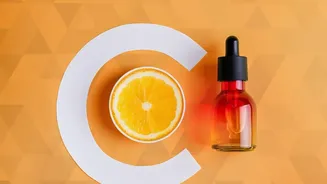
This is where vitamin C comes in as a powerful ally. Decades of nutrition research have confirmed that vitamin C is one of the most potent enhancers of non-heme iron absorption. It works its magic in two ways. First, it converts the plant-based iron from its ferric (Fe3+) state into the more absorbable ferrous (Fe2+) state. Think of vitamin C as the key that unlocks the iron, making it ready for your body to use. Second, it forms a soluble complex with the iron, which prevents it from binding with dietary inhibitors like phytates (found in grains and legumes) and polyphenols (in tea and coffee) that can block absorption. Adding vitamin C to a meal can increase non-heme iron absorption significantly, with some studies suggesting it can boost uptake by several times, effectively countering the lower bioavailability of plant iron.
Your Go-To Iron-Rich Greens and Veggies
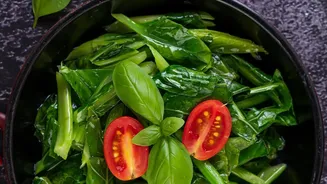
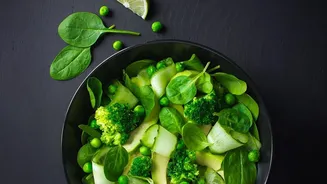
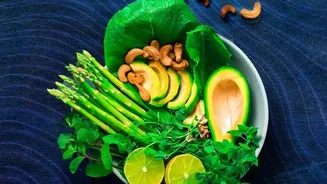
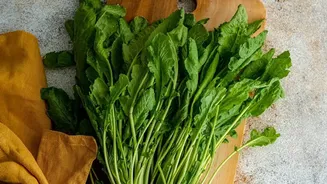
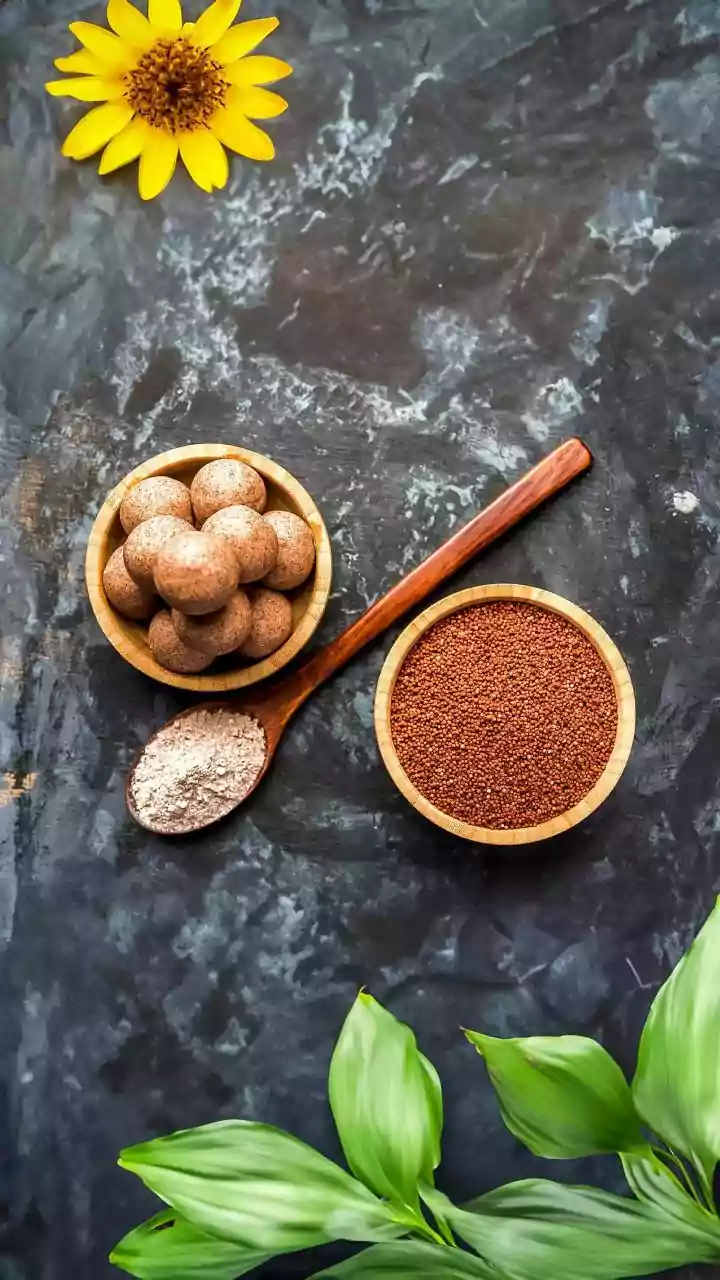
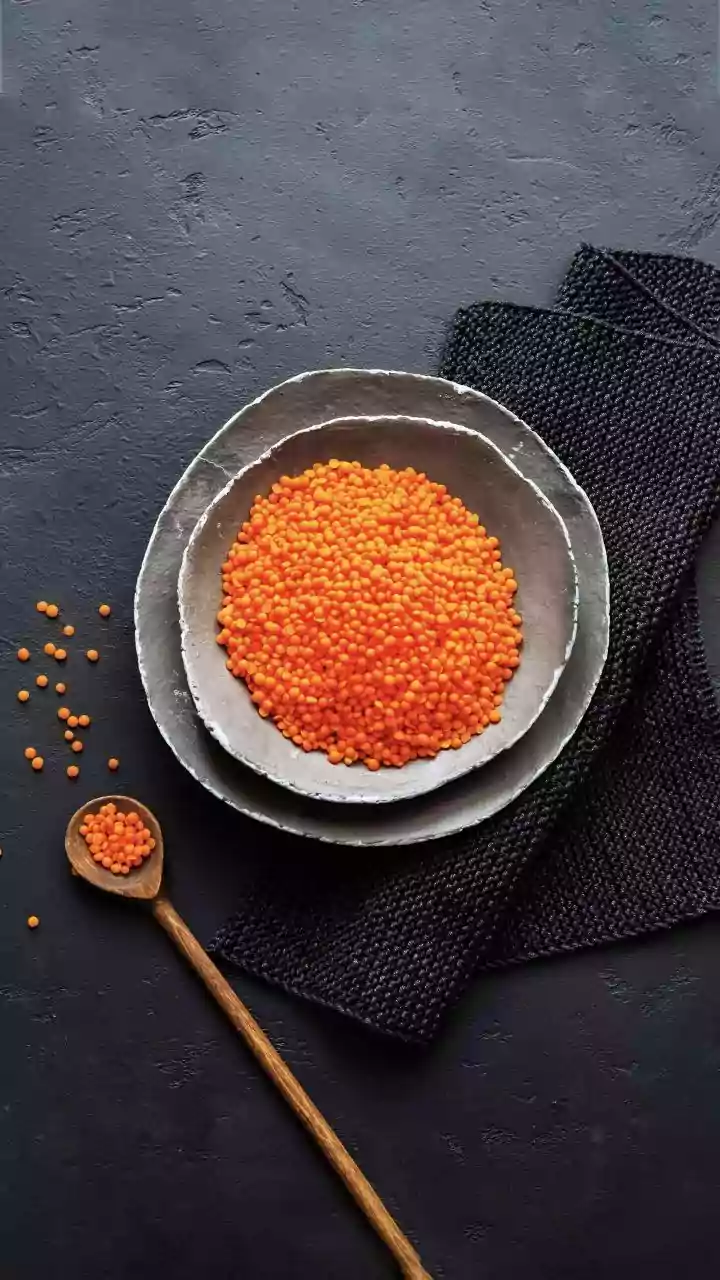
India's rich vegetable bounty offers plenty of options for non-heme iron. Dark leafy greens are nutritional powerhouses. Spinach (palak) is a classic, with one cooked cup packing a significant amount of iron. Other excellent choices include fenugreek leaves (methi), amaranth leaves (chaulai), and kale. Beyond greens, other vegetables and legumes are fantastic sources. Lentils (dals) and chickpeas (chana) are staples in Indian cuisine and are loaded with iron. A single cup of cooked lentils can provide around 6.6 mg of iron. Beans like kidney beans (rajma) and grains like amaranth (rajgira) and quinoa are also excellent for boosting your iron intake.
Powerful Vitamin C Sources to Pair
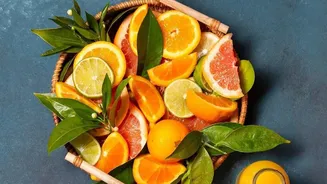
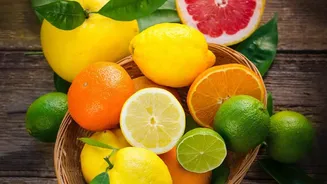
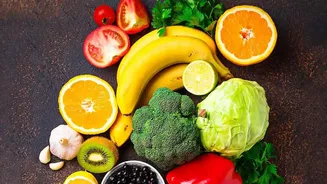
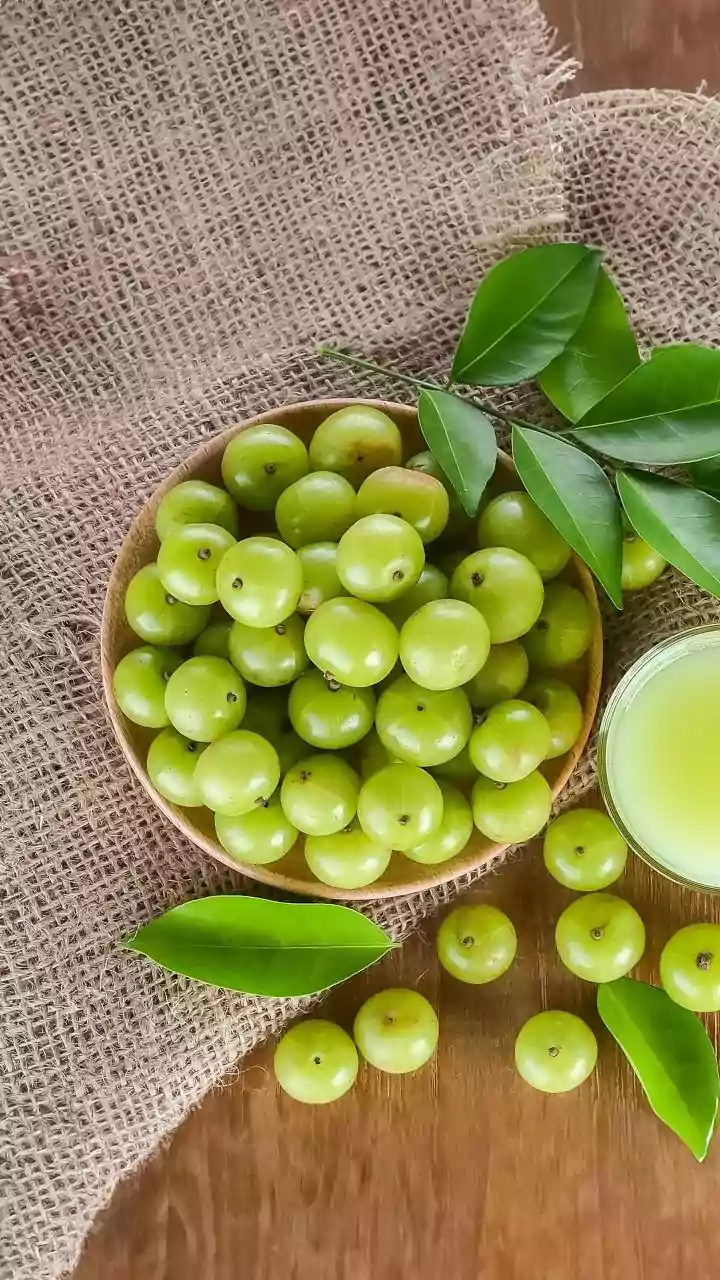
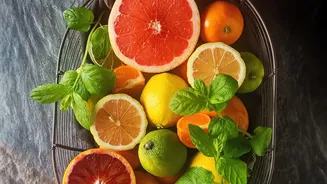
To unlock the iron in your greens, you need a ready source of vitamin C. Citrus fruits are the most obvious choice. A simple squeeze of lemon (nimbu) or lime over your dal or sabzi is an incredibly effective strategy. Oranges, sweet limes (mosambi), and grapefruit are other excellent options. But the vitamin C family extends far beyond citrus. Bell peppers (Shimla mirch), especially the red and yellow varieties, are packed with it. Tomatoes are another versatile source that can be easily incorporated into curries, salads, and chutneys. Don't forget about other fruits like amla (Indian gooseberry), guava, strawberries, and kiwi, all of which are potent sources of this essential vitamin.
Easy and Delicious Meal Pairings
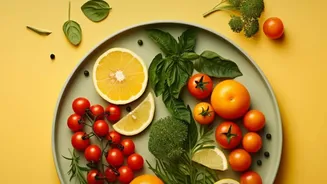
Putting this food synergy into practice is simple and delicious. The goal is to have a source of iron and a source of vitamin C in the same meal. Here are some easy ideas to get you started: Dal with a Twist: Squeeze fresh lemon juice over your bowl of palak dal or masoor dal just before eating. Vibrant Salads: Create a salad with spinach, chickpeas, and a generous amount of chopped tomatoes and bell peppers. Drizzle with a lemon-based vinaigrette for an extra boost. Smart Sabzis: Add diced tomatoes to your spinach or methi sabzi during cooking. Finish with a squeeze of lime for fresh flavour and enhanced absorption. Wholesome Rotis: Enjoy your iron-rich whole wheat chapatis with a tomato and onion salad on the side. Snack Time: Pair a handful of dates or dried apricots (which contain iron) with a fresh orange. Smoothies: Blend spinach or kale with strawberries, mango, or a splash of orange juice for a nutrient-packed breakfast or snack.