


Choose Fabrics Wisely
The first step to easier monsoon laundry is selecting the right materials. Lightweight and breathable fabrics are your best friends during this season because they dry quickly and are less likely to retain moisture. Opt for clothing made from organic
cotton, chiffon, georgette, or bamboo. These materials allow for better air circulation, which helps prevent the growth of mildew and the development of unpleasant odours. Conversely, try to avoid heavy fabrics like denim, velvet, and thick woollens, as they absorb a lot of water and can take days to dry indoors, creating a perfect environment for bacterial growth.
Upgrade Your Washing Routine
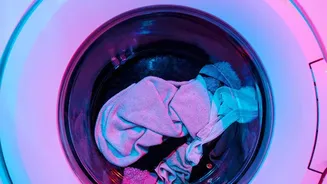
A few small changes to your washing habits can make a significant difference. First, avoid letting damp or rain-soaked clothes sit in the laundry basket, as this is where musty smells begin. It’s best to wash them as soon as possible. Wash in smaller batches rather than one large load; this allows clothes to move more freely in the machine and helps them dry faster later on. For an extra freshness boost, add about half a cup of white vinegar to the rinse cycle. It acts as a natural antibacterial agent and deodoriser without leaving a scent on your clothes.
Master the Art of Indoor Drying
With sunlight being a rare commodity, effective indoor drying is crucial. Start by using the highest spin cycle on your washing machine to remove as much excess water as possible before hanging. When placing clothes on a drying rack, ensure there is enough space between each item for air to circulate freely. Overcrowding a rack traps moisture and is a primary cause of that dreaded damp smell. Position the rack in a well-ventilated room, preferably near a window or under a ceiling fan, to speed up evaporation. A dehumidifier can also be an excellent investment for pulling excess moisture from the air, drastically cutting down drying time.
The Final Touch: Ironing and Storage
Don’t underestimate the power of a hot iron. Even if clothes feel dry to the touch, areas like seams, collars, and waistbands can retain hidden moisture. Ironing your garments before storing them not only gets rid of wrinkles but also helps eliminate any lingering dampness and kills odour-causing bacteria. Before you put your fresh clothes away, make sure they are 100% dry. Storing even slightly damp items will lead to mildew. To keep your wardrobe smelling fresh, place moisture absorbers like silica gel packets, camphor balls, or even a small open container of baking soda inside. These simple additions will help combat the high humidity and keep your clothes ready to wear.