








Redefining 'Working Out'
For many, the word "exercise" conjures images of an hour-long gym session or a punishing run. This mindset, while well-intentioned, often becomes a barrier. When we can't meet that high standard, we often do nothing at all. The good news is that health
organizations are moving away from this rigid model. Global health bodies like the World Health Organization (WHO) recommend adults get 150-300 minutes of moderate-intensity activity per week. The crucial part of this guideline is that those minutes can be accumulated in any way you like. The official stance is now that every single move counts, and short bouts of activity are just as valuable. This frees us from the pressure of the perfect workout and reframes the goal: just move more, whenever and however you can.
The Science of 'Exercise Snacking'
The concept of breaking up activity into small, manageable chunks has been dubbed "exercise snacking." And it's backed by compelling science. Research shows that these short bursts of movement, spread throughout the day, can be incredibly effective. Studies have found that accumulating activity in short bouts produces similar, and sometimes better, results compared to one continuous session for improving things like blood pressure and cardiorespiratory fitness. Even just three or four minutes of vigorous activity spread throughout the day has been linked to a reduced risk in certain health conditions for adults who don't otherwise exercise. These mini-sessions can improve blood sugar control, boost your mood, and increase energy levels, making them a powerful tool for overall well-being.
What Counts as an 'Active Minute'?
So, what kind of movement actually counts toward your daily total? The key is moderate intensity. A simple way to gauge this is the "talk test": you should be able to talk, but not sing, while doing the activity. If you can't say more than a few words, you're in vigorous territory, which is also great. Many everyday activities fall into the moderate category. Think of brisk walking, dancing in your kitchen, vigorous gardening or vacuuming, taking the stairs instead of the lift, or cycling on a flat surface. You don't need special clothes or equipment; you just need to move your body enough to raise your heart rate and breathe a little harder than normal.
How to Sneak More Movement In
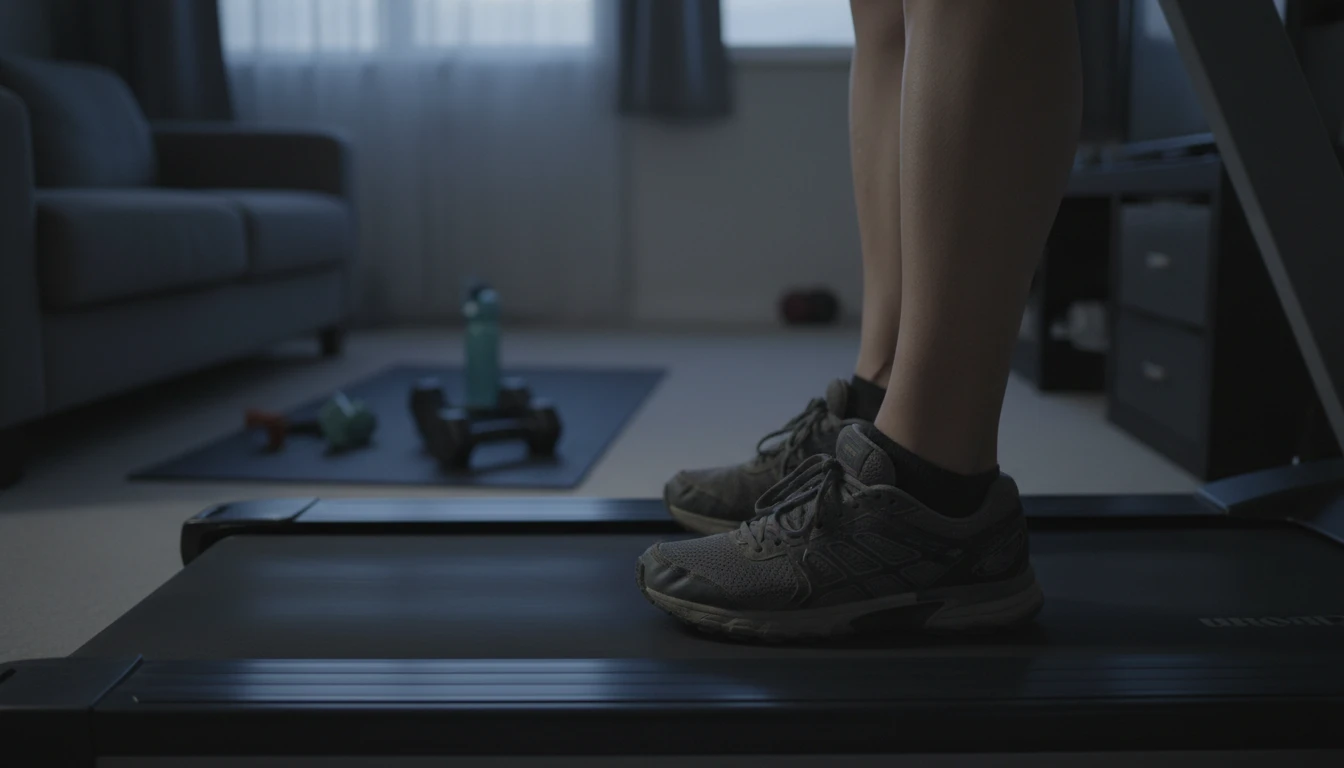
The beauty of focusing on active minutes is that opportunities are everywhere. The goal is to interrupt long periods of sitting and weave movement into your existing routine. You can start by parking farther away from the shop entrance or getting off the bus one stop early. While waiting for the kettle to boil or for a file to download, do a few squats or calf raises. Turn phone calls into walking meetings, pacing around your room or office. During TV ad breaks, do a set of jumping jacks or push-ups. These small, almost unnoticeable additions add up significantly over the course of a day and week, helping you hit your activity goals without feeling overwhelmed.
Building Momentum, Not Guilt
Perhaps the greatest benefit of this approach is psychological. When a ten-minute walk is considered a success, you're far more likely to do it. This builds consistency, which is the true secret to long-term fitness. By removing the pressure of perfection, you lower the mental barrier to starting. Each small bout of activity is a win, building confidence and a positive association with movement. Instead of feeling guilty about a missed gym session, you can feel proud of the active minutes you've collected throughout your day. This sustainable, compassionate approach focuses on progress, not perfection, making it a habit that can finally stick.