



Why Go Beyond Rice and Wheat?
For generations, Indian kitchens have revolved around wheat and rice. While delicious and familiar, an over-reliance on these refined grains can lead to a less diverse nutritional intake. Modern and ancient grains like millets, quinoa, and amaranth are
making a comeback for good reason. They are often packed with more fibre, protein, vitamins, and essential minerals like iron and magnesium than their more processed counterparts. Incorporating these grains can support better digestion, help maintain steady energy levels, and add a whole new world of flavours and textures to your meals. Many are also naturally gluten-free, making them an excellent choice for those with dietary sensitivities.
Meet Your New Pantry Superstars
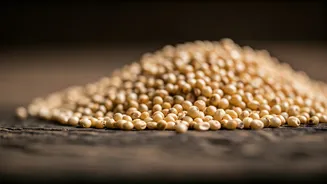
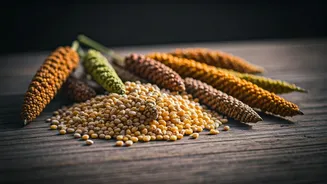
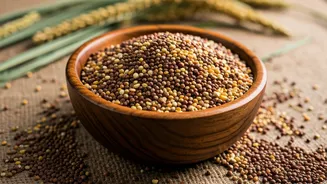
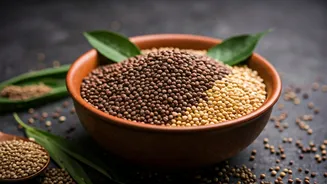
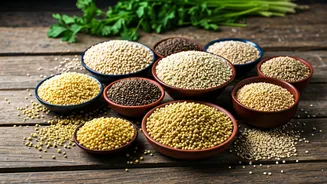
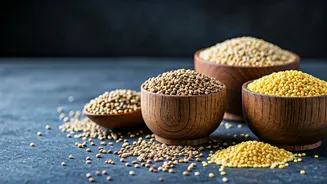
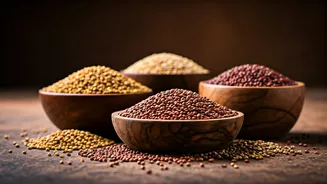
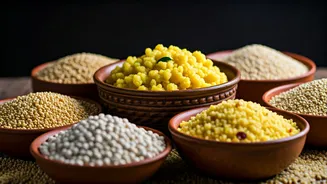
Getting started is as simple as knowing which grain to grab. Millets, such as jowar (sorghum), bajra (pearl millet), and ragi (finger millet), have been staples in India for centuries and are incredibly versatile. Quinoa, originally from South America, has become a global favourite for its complete protein profile and fluffy texture. Amaranth, a tiny grain revered by ancient civilizations, offers a complete protein source and is rich in calcium. Sorghum, used widely in Africa and India, has a hearty, chewy texture perfect for salads and pilafs. Don't be intimidated; these grains are eager to make friends with your favourite spices.
The Upma and Poha Remix
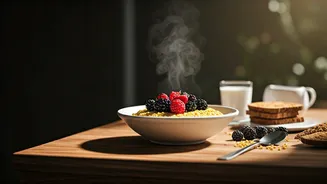
Think upma is just for sooji? Think again. Quinoa makes a fantastic substitute, creating a lighter, protein-packed breakfast. Simply rinse the quinoa well and follow your standard upma recipe, adjusting the water as needed. The result is a fluffy, savoury dish that will keep you full for longer. Recipes for quinoa upma often follow the traditional method of tempering spices, sautéing vegetables, and then cooking the grain. You can similarly give poha a twist by using flattened millets or even cooked and cooled quinoa for a refreshing change of pace.
Reimagining Khichdi and Pulao
Khichdi is the ultimate comfort food, and it’s incredibly adaptable. Swapping white rice for millets or quinoa not only boosts its nutritional value but also adds a delightful nutty flavour. Millet khichdi is a popular healthy alternative, as millets are known to be rich in fibre and minerals. Similarly, a vegetable pulao made with quinoa instead of basmati rice is a fantastic way to increase your protein and fibre intake. The key is to rinse the quinoa thoroughly before cooking to remove any bitterness. You can prepare a quinoa pulao on the stovetop or in a pressure cooker with the usual aromatic spices, ginger-garlic paste, and vegetables.
A New Foundation for Curries
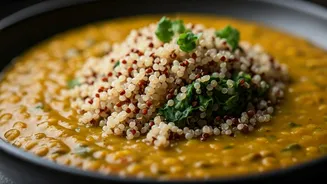
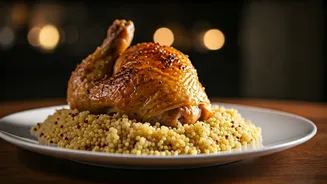
Instead of serving your favourite dal or curry with plain white rice, consider a bed of cooked whole grains. Brown rice is a simple first step, offering more fibre and nutrients than its white counterpart. For a more adventurous pairing, try cooked sorghum or farro; their chewy textures stand up well to rich gravies. You can cook these grains in batches and freeze them in portions for quick weeknight meals, making healthy choices convenient.
Rethinking Rotis and Flours
The world of Indian breads is vast, and alternative flours are at its heart. Flours made from jowar, bajra, ragi, and even amaranth can be used to make flavourful and nutritious rotis, parathas, and cheelas. Sorghum flour, with its mild flavour, is one of the closest gluten-free substitutes for wheat flour in quick breads and muffins. You don't have to go all-in at once; start by mixing a small amount of millet flour into your regular whole wheat atta to gradually introduce new flavours and textures.