





In the world of crunchy snacks, puffed rice is a timeless classic. But a modern contender, quinoa puffs, is gaining ground. How do they stack up? This is a closer look at two popular snack bases to see which one truly fits your needs.
The Two Contenders: A Quick Introduction
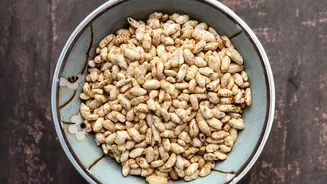
Puffed rice, known
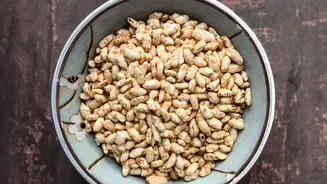
to many in India as 'murmura', is a familiar, airy grain made by heating rice kernels under high pressure until they expand. It's incredibly light and has been a staple ingredient in snacks like bhel puri and chivda for generations. On the other hand, puffed quinoa is a relative newcomer. Made from quinoa seeds that are 'popped' using heat, it offers a similarly light and crispy texture but with a slightly nuttier flavour. Both are naturally gluten-free, making them accessible snack options for many.
Nutritional Showdown: Protein and Fibre
This is where the two snacks diverge significantly. Quinoa is a complete protein, meaning it contains all nine essential amino acids, which is rare for a plant-based food. Puffed quinoa retains much of this protein, offering around 14 grams per 100g serving. Puffed rice, by comparison, is much lower in protein. Quinoa puffs also lead in dietary fibre, which is crucial for good digestion and feeling full for longer. While puffed rice does contain some fibre, quinoa offers significantly more, making it a more satiating option that helps prevent overeating.
The Glycemic Index: Impact on Blood Sugar
The glycemic index (GI) measures how quickly a food raises your blood sugar levels. Puffed rice has a high glycemic index, meaning it's digested quickly and can cause a rapid spike in blood sugar. This can lead to an energy crash later on. Quinoa, in its cooked form, has a moderate GI of around 53. While the puffing process can alter starch structure, quinoa generally has a gentler effect on blood sugar compared to rice-based snacks. This is partly due to its higher protein and fibre content, which slows down the absorption of carbohydrates.
Vitamins and Minerals: The Hidden Benefits
Beyond the main nutrients, quinoa puffs pack a stronger punch in the micronutrient department. They are a good source of minerals like iron, magnesium, and folate. Magnesium is important for muscle and nerve function, while iron is essential for energy and oxygen transport in the blood. While some puffed rice can be fortified with vitamins and minerals, puffed quinoa naturally contains a richer profile of these essential nutrients.
In the Kitchen: Texture, Taste, and Versatility
Both puffed grains are incredibly versatile. Puffed rice is famously light and airy, perfect for classic Indian snacks where it absorbs the flavours of chutneys and spices. Puffed quinoa has a slightly denser, crispier crunch and a nutty undertone that holds up well in snack bars, as a topping for yogurt or salads, or in homemade granola. Some find that puffed quinoa retains its crunch better than puffed rice, making it a superior choice for no-bake treats or energy balls. Ultimately, the choice here comes down to personal preference and the specific dish you're creating.
The Verdict: Which Puff Is for You?
There’s no single winner for everyone, as the 'better' choice depends on your goals. If you're looking for a low-calorie, light snack and aren't focused on nutrient density, traditional puffed rice is a perfectly fine choice. However, if your priority is nutrition, satiety, and stable energy levels, quinoa puffs are the clear winner. They provide more protein, fibre, and essential minerals, making them a more balanced and filling snack. While they may come at a slightly higher cost, the nutritional advantages are significant for those looking to make every bite count.