







The Danger of the Great Indoors
When the weather is scorching, pet owners rightly assume that keeping their furry friends inside is the safest option. After all, indoors means no hot pavement burning paws and no direct sun. But a house without proper air circulation or dehumidification
can become a trap. As temperatures rise, so does the humidity, creating an environment where it's difficult for pets to cool themselves down. Heatstroke isn't just an outdoor problem; it can happen in a living room, especially during a humid heatwave. This is particularly true for apartments or homes without air conditioning, where indoor temperatures can climb to dangerous levels.
How Humidity Overwhelms a Pet's Cooling System
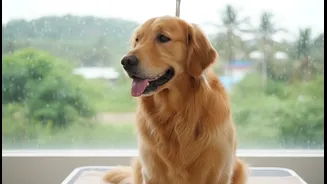
Humans sweat over their entire bodies to cool off, but our pets can't. Dogs and cats primarily cool themselves by panting, which allows for the evaporation of moisture from their lungs and tongue. However, when the air is already saturated with moisture—in other words, when humidity is high—this evaporation process becomes inefficient. Your pet pants and pants, but their body temperature continues to rise. It’s like their natural air conditioning system has failed. This puts them on a fast track to overheating, dehydration, and potentially fatal heatstroke.
Pets Most at Risk
While all pets are susceptible, some are at a much higher risk of indoor overheating. Brachycephalic, or flat-faced, breeds like Pugs, Bulldogs, Boxers, and Persian cats have a notoriously hard time breathing and panting effectively. Their compromised airways make it nearly impossible to cool down in humid conditions. Other high-risk groups include elderly pets, overweight animals, and those with underlying heart or respiratory conditions. Puppies and kittens also struggle to regulate their body temperature and require extra vigilance.
Silent Signs of Indoor Overheating
The initial signs of heat distress can be subtle. It often starts with excessive or frantic panting, even when your pet is resting. You may notice thick, ropey drool, or your pet might seem restless, seeking out cool spots on tile floors or near vents. As the situation worsens, their gums may turn bright red or even pale. They may become lethargic, weak, or uncoordinated, stumbling as they walk. Vomiting and diarrhea are also serious warning signs. In cats, open-mouthed panting is always a red flag and signals significant distress. These symptoms can escalate quickly to collapse or seizures, which are signs of severe heatstroke.
Your Indoor Safety Checklist
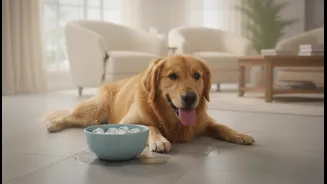
Preventing indoor heatstroke is about creating a safe environment. First and foremost, use air conditioning. If you don't have central AC, consider a window unit, even for a single room your pet can stay in. Fans are helpful for circulating air, but they don't lower humidity. Using a dehumidifier in conjunction with a fan can make a significant difference. Always provide multiple sources of fresh, cool water. You can add ice cubes to their water bowl. Cooling mats provide a chilled surface for your pet to lie on. Limit strenuous indoor play on extremely hot and humid days.
What to Do in an Emergency
If you suspect your pet is suffering from heatstroke, immediate action is critical. Move them to the coolest area of your home immediately. Use cool—not ice-cold—water to wet their fur, focusing on their paws, belly, and neck. You can apply cool, damp towels to these areas. Do not use ice or ice water, as this can cause blood vessels to constrict and actually trap heat. Point a fan at them to help with evaporative cooling. Offer small amounts of cool water, but do not force them to drink. These steps are first aid, not a cure. Heatstroke causes internal organ damage, so it is essential to contact your veterinarian or an emergency animal hospital immediately, even if your pet seems to be recovering.