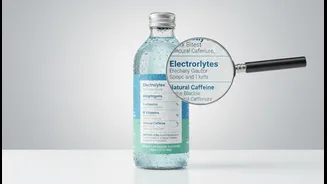









What Exactly Is a Functional Beverage?
A functional beverage is a non-alcoholic drink designed to offer health benefits beyond simple hydration. Unlike a regular soft drink, these beverages are fortified with added ingredients like vitamins, minerals, herbs, amino acids, probiotics, or plant
extracts. The goal is to provide a specific 'function' — whether it's boosting energy, improving focus, supporting digestion, or helping the body manage stress. They represent a growing market for consumers who want their daily drinks to do more for their well-being.
The Promise of Focus: Nootropics
Many drinks claim to enhance mental clarity and focus using nootropics, also known as 'smart drugs' or cognitive enhancers. Common ingredients include caffeine, L-theanine, and herbal extracts like Ginkgo Biloba or Bacopa Monnieri. The combination of caffeine and L-theanine, often found in green tea, is well-studied and known to promote a state of calm alertness without the typical caffeine jitters. While some natural nootropics show promise for improving attention over time, the effects are often subtle and can vary greatly from person to person. A single drink is unlikely to produce a dramatic surge in focus; benefits are more likely with consistent use alongside a healthy lifestyle.
Calm in a Can: Adaptogens for Stress
Adaptogens are herbs and mushrooms that are believed to help the body adapt to and resist physical and mental stress. Ingredients like ashwagandha, rhodiola, and reishi mushroom are staples in this category, often found in drinks marketed for relaxation and balance. These substances have been used for centuries in Ayurvedic and Chinese medicine. Modern, though still developing, research suggests some adaptogens may help regulate the body's stress response system. For example, some studies on ashwagandha indicate it may help reduce cortisol levels and anxiety. However, much of the research is preliminary, and the effects are not a quick fix for chronic stress.
Gut Instincts: Probiotics and Prebiotics
Drinks for digestive health, like kombucha, kefir, and probiotic sodas, are another massive segment. These beverages focus on probiotics (live beneficial bacteria) and prebiotics (fibres that feed good bacteria). Fermented drinks like kombucha and kefir are natural sources of probiotics and are generally considered beneficial for gut health. Newer 'probiotic sodas' often have probiotics added, but their effectiveness can be questionable as they may not contain enough live organisms to make a difference. Many also contain added sugars or artificial sweeteners, which can be counterproductive for gut health. A diet rich in naturally fermented foods and high-fibre plants remains the most reliable way to support your microbiome.
Reading Between the Lines: How to Be a Smart Consumer
The functional beverage market is largely driven by wellness-focused marketing that can sometimes be vague or overblown. In India, the Food Safety and Standards Authority of India (FSSAI) has regulations for these products, particularly for caffeinated beverages and those making health claims. However, it's still crucial for consumers to be discerning. Look for clear labelling of active ingredients and their dosages. Be wary of 'proprietary blends' that hide the exact amount of each component. Check for high amounts of added sugar, which can negate any potential health benefits. Remember that these drinks are supplements, not magic bullets; they can't replace a balanced diet, good sleep, and regular exercise.