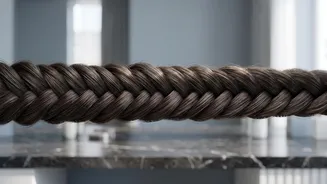







The Two-Strand Secret
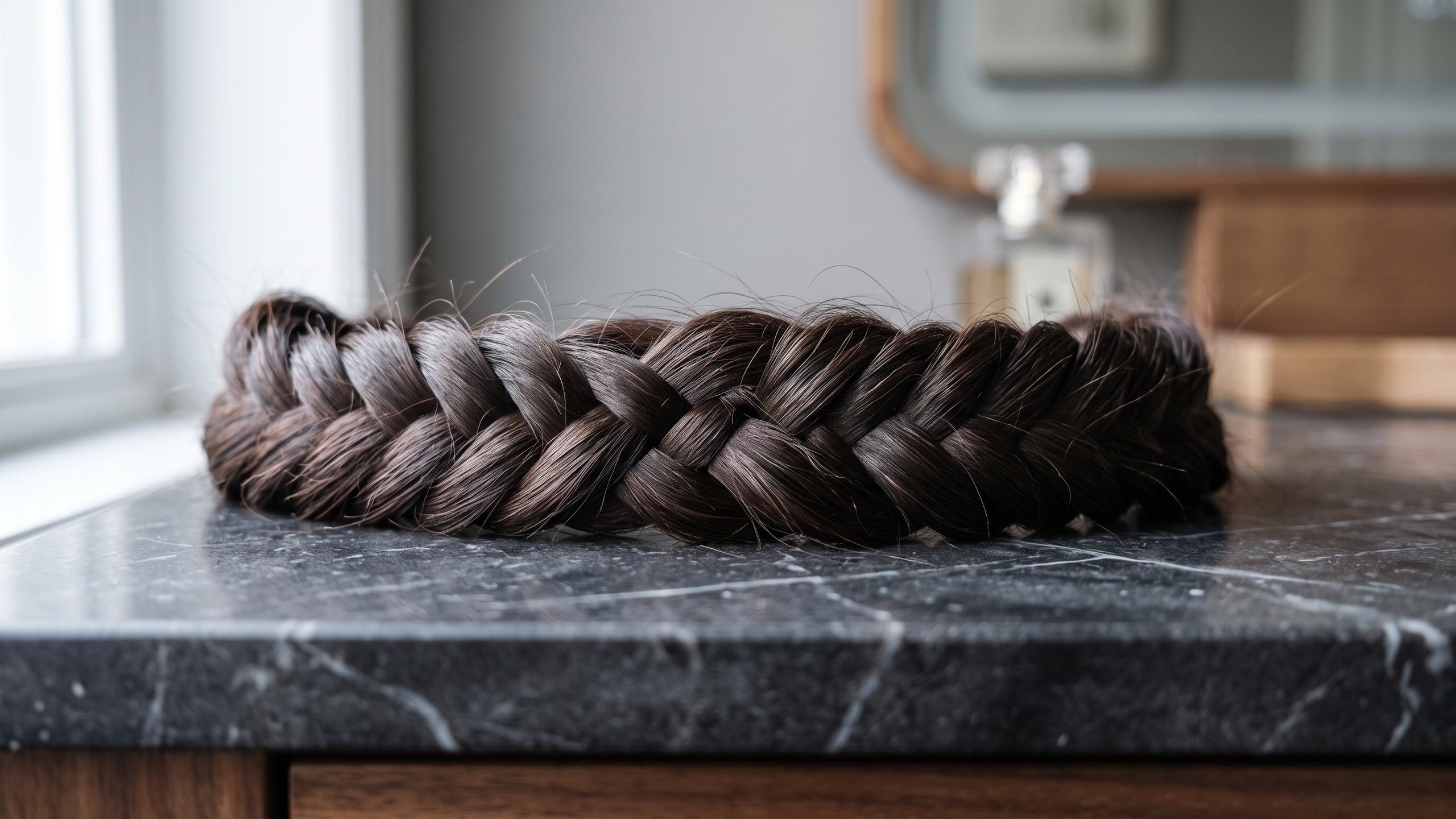
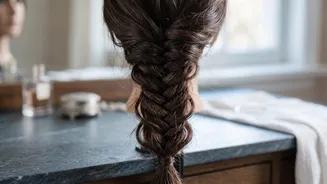
Unlike a classic three-strand braid, a fishtail—sometimes called a herringbone braid—is built from just two main sections of hair. The intricate, woven pattern comes from repeatedly taking a small piece from the outside of one section and crossing it
over to the inside of the other. The motion itself is simple and repetitive, making it surprisingly easy to master. The key is consistency. The smaller and more even the pieces you cross over, the more detailed and classic your fishtail will look. Larger pieces result in a chunkier, more bohemian style and can be done much faster.
Prep for a Perfect Braid
To get this done in under ten minutes, a little preparation goes a long way. First, make sure your hair is completely brushed through and free of tangles. Snags will slow you down and create lumps. For beginners, a great hack is to start with a low ponytail, secured with an elastic. This holds the hair in place while you get the hang of the weaving motion. You can carefully cut the top elastic out after the braid is finished. Hair that isn't freshly washed often has better grip, but if your hair is fine or silky, a light mist of hairspray or a texturizing powder can add the friction needed to hold the style.
A Step-by-Step Guide
Once prepped, divide your ponytail into two equal sections. Take a thin strand of hair from the outer edge of the right section, cross it over the top, and add it to the left section. Now, repeat on the other side: take a thin strand from the outer edge of the left section, cross it over, and join it with the right section. That's the entire technique. Continue this pattern, alternating sides, all the way down the length of your hair. Try to keep a firm grip so the braid doesn't unravel as you work. It helps to keep your hands close to the braid to maintain even tension. When you reach the end, secure it with another hair tie.
Troubleshooting and Arm Fatigue
It’s common for your arms to get tired, especially if you have long or thick hair. A simple trick is to braid over one shoulder, bringing the hair forward so you can see what you're doing without reaching behind your head. Resting your elbows on a counter can also provide relief. If you notice a section becoming loose, you don't have to start over. Just gently un-braid to that point, tighten up the section, and continue. If you have layers that pop out, a few bobby pins can easily tuck them back into the finished braid.
Finishing with a Flourish
A perfectly neat fishtail is lovely, but many prefer a softer, more voluminous look. This is achieved through a technique called 'pancaking'. Once your braid is secured at the bottom, gently pull on the outer loops of the braid from the bottom up. This loosens the weave and creates the illusion of a much thicker, fuller braid. You can pull out a few face-framing strands to soften the style further. If you started with a ponytail, this is when you would carefully snip the elastic at the top. A final mist of hairspray will help hold everything in place.