


The Allure of India’s ‘Mini Switzerland’
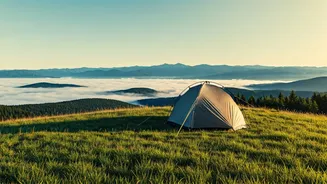
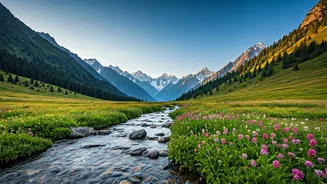
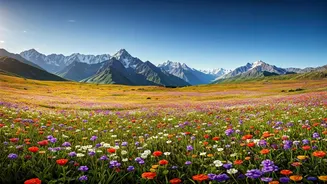
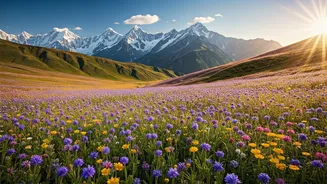
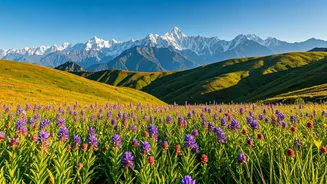
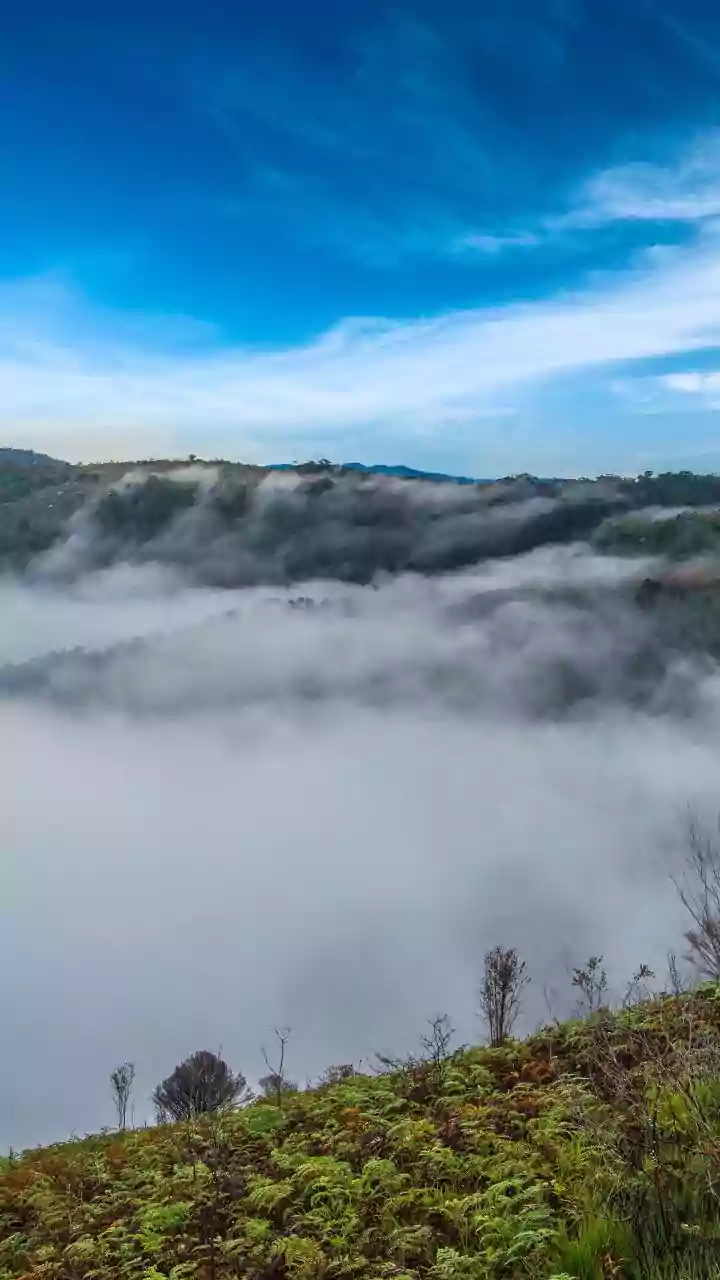
Nestled in the Garhwal Himalayas of Uttarakhand, Chopta has earned the nickname ‘Mini Switzerland of India’ for a reason. Unlike its more commercial counterparts, Chopta offers a profound sense of solitude. It’s a place where the soundtrack is the rustle
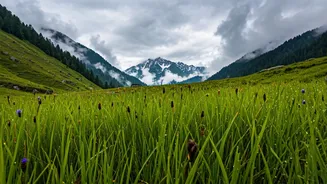
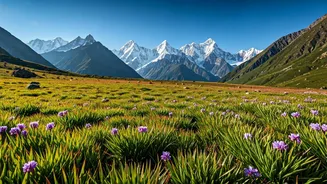
of oak and deodar trees, the chime of temple bells, and the whisper of the wind across vast meadows, known as ‘bugyals’. This is not a destination for mall roads and bustling markets; it’s an escape for those who want to reconnect with nature in its purest form. The region is the gateway to the Kedarnath Wildlife Sanctuary, boasting a rich biodiversity, including a stunning array of birdlife, making it a haven for birdwatchers as well as trekkers.
The Main Event: Tungnath and Chandrashila Peak
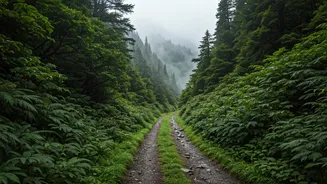
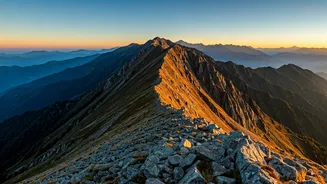
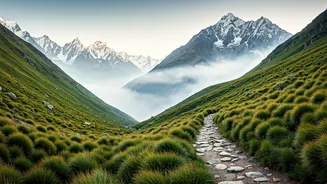
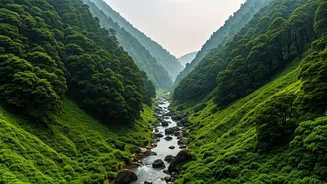
The crown jewel of the Chopta experience is the trek to Tungnath and Chandrashila. The journey begins from Chopta itself, with a well-paved but steadily ascending 3.5-kilometre trail. This trek is considered easy to moderate, making it accessible to beginners with a reasonable level of fitness. The path winds through enchanting rhododendron forests, which burst into a riot of red and pink blooms in spring. Your first major milestone is Tungnath, the highest Shiva temple in the world, sitting at an altitude of 3,680 metres. Its ancient stone structure exudes a powerful spiritual calm. From Tungnath, it’s another steep 1.5-kilometre climb to Chandrashila Peak (4,000 metres). The reward for your effort is a jaw-dropping 360-degree panoramic view of the Himalayan giants, including Nanda Devi, Trishul, and Chaukhamba peaks.
A Detour to the Crystal Lake: Deoriatal
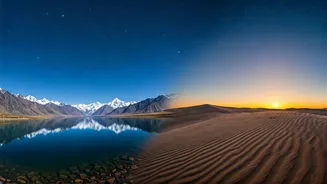
If you have an extra day, the trek to Deoriatal is a must-do. A short drive from Chopta takes you to the Sari village, the starting point for a relatively easy 2.5-kilometre trek. The trail leads you to a pristine high-altitude lake surrounded by dense forests. The magic of Deoriatal lies in its crystal-clear water, which on a calm day, offers a perfect reflection of the mighty Chaukhamba peaks. It’s an ideal spot for camping under a star-studded sky, offering a different but equally mesmerising experience of the region’s natural beauty.
When to Visit: A Season for Every Trekker
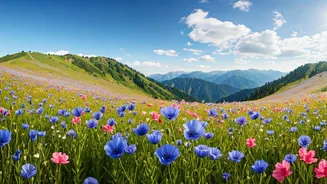
Chopta’s charm changes dramatically with the seasons, so planning your visit depends on the experience you seek. **Spring (April to June):** The weather is pleasant, and the rhododendron forests are in full bloom, painting the landscape in vibrant colours. This is arguably the most popular time to visit. **Autumn (September to November):** Post-monsoon, the skies are crystal clear, offering the sharpest and most spectacular views of the snow-capped peaks. The meadows are a lush green, and the air is crisp. **Winter (December to March):** For the more adventurous, winter transforms Chopta into a snowy wonderland. The trek becomes a snow trek, requiring more preparation and gear, but the experience of walking on a blanket of pristine white snow is unparalleled.
Planning Your Trip: Logistics and Essentials
Reaching Chopta involves a journey. The nearest major town is Rishikesh (around 200 km away), from where you can hire a taxi or take a bus towards Ukhimath. Accommodation in Chopta is basic and rustic, primarily consisting of guesthouses, lodges, and tented camps, which adds to its remote charm. When packing, focus on layers. Essentials include a good pair of waterproof trekking shoes, a warm jacket, woollen caps and gloves (especially for evenings), a rain jacket or poncho, a personal first-aid kit, sunscreen, and sunglasses. Even in summer, temperatures can drop significantly at night, so packing warm clothing is non-negotiable.